




Description
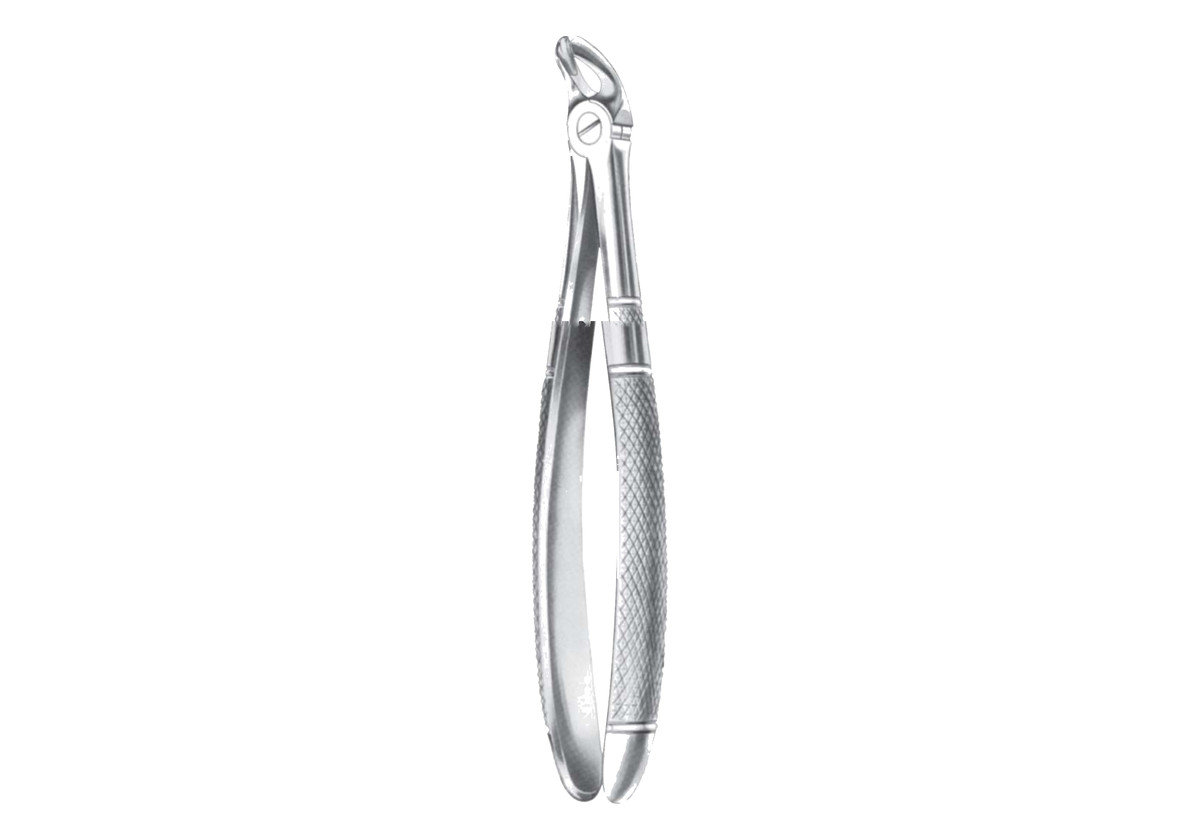
Extracting Forceps, Lower Molars
This page gathers our lower molar extracting forceps in one place. It holds 34 options across English, American, fitting-handle and swing patterns. Each figure is a single instrument, and no set purchase is needed.
How a lower molar beak works
On mandibular figures, the beaks turn roughly ninety degrees from the grip. Most lower molar extracting forceps carry two beaks with points. Those points seat in the bifurcation between the mesial and distal roots. Therefore, the grip sits below the crown, where the tooth is strongest.
All 34 figures at a glance
- English pattern: Fig. 21, 22, 22G, 23, 24, 73, 73R, 73L, 73A, 73S, 86A, 86B, 86C, 87, 99, 99¼, 99½, plus separating Fig. 56 and 91.
- American pattern: Fig. 4, 16, 17, 23, 27 and 217.
- Fitting handle: Fig. 22, 73, 86A, 86B, 86C, 99, 99¼ and 143.
- Swing pattern: Fig. 287.
Narrowing the list
First, pick the numbering you trained with. Then think about root form. For example, the American Fig. 23 is the classic cow-horn style for a split approach at the furcation. It also comes with tips touching, so the two beaks meet fully when the handles close. In addition, 73R and 73L form a right and left pair. Fig. 56 and 91 are separating figures, so keep them for multi-root work.
A short technique reminder
Seat the beak points apically on root surface, not on crown enamel. Next, luxate with firm buccal and lingual movement. Lower molars rarely accept much rotation, so stay patient. Once the socket expands, deliver the tooth with a steady buccal pull.
Fitting handle versus standard
Eight figures also come with a fitting handle. The beaks stay the same; only the grip changes. A fuller, anatomical handle can feel calmer under heavy force. Still, many dentists prefer the slimmer classic handle for control.
Ordering, warranty and next steps
Every figure follows our own drawing, and a final look in the United States comes before dispatch. Its stainless body conforms to ASTM F899. It travels non-sterile and works for years after correct reprocessing. Our pledge here is three years against manufacturing defects, and we will repair or swap a faulty piece. For other regions, open the extracting forceps category. You may also like the lower third molar range. Questions about figures are often covered in our FAQs.
Intended for dental professionals. Our sterilization guide and delivery details explain handling and timing.

Reviews
There are no reviews yet.