




Description
Gerald Dressing & Tissue Forceps
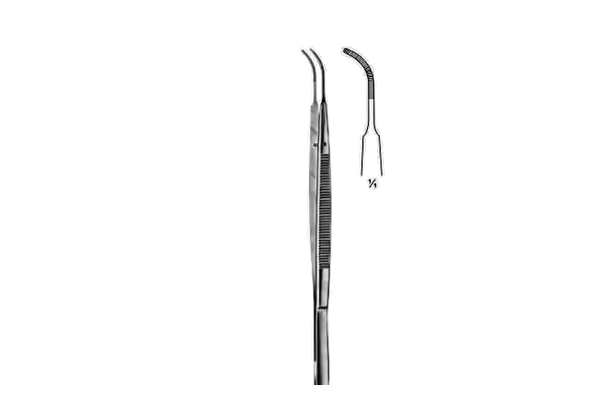
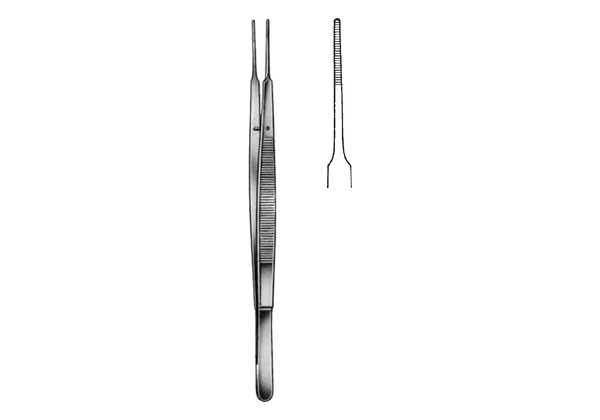
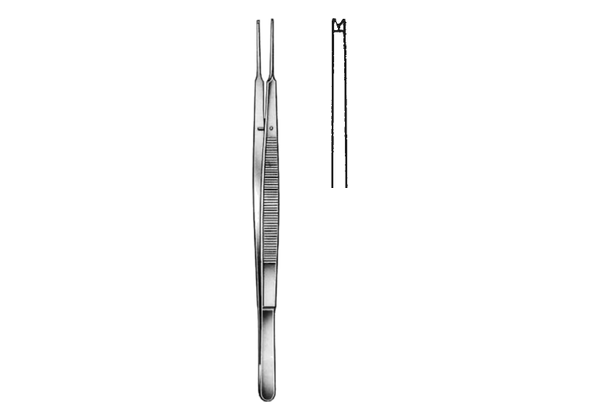
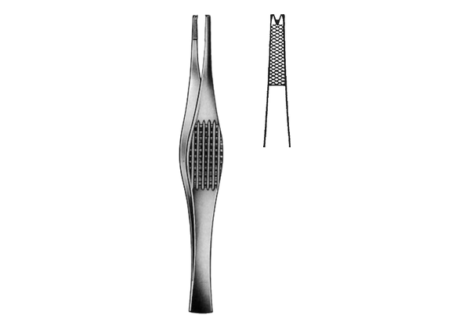
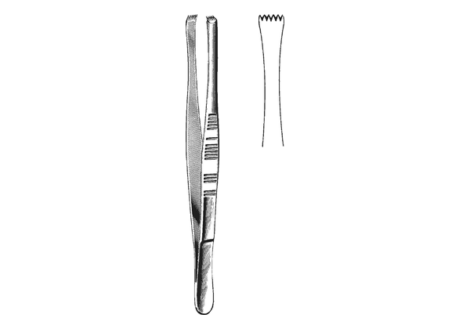
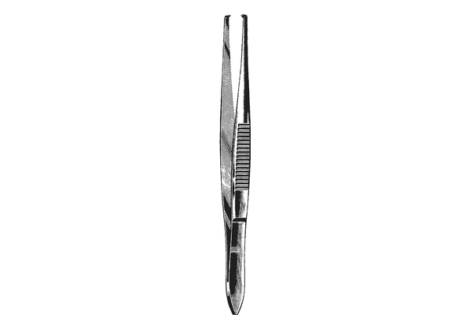
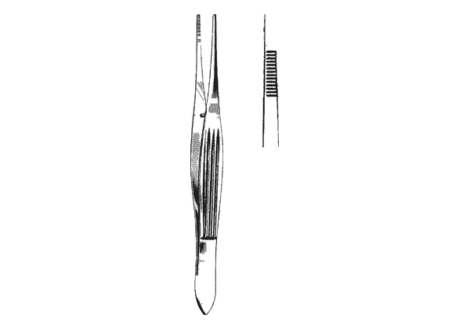
Gerald forceps have a fine, delicate tip on a long, slim body. They suit neurosurgery, plastic surgery and dental surgery.
Serrated or 1:2
Serrated tips hold fine suture and membranes. Meanwhile, 1:2 teeth give a secure grip on small tissue.
Straight or curved
Straight tips suit direct work. By contrast, curved tips reach around structures and keep the view open.
Carbide option
The carbide version comes in 17 and 18 cm, serrated or 1:2. So the grip lasts much longer.
Where they help
Gerald forceps suit fine work where a heavier forceps would block the view. Then a Cushing pair covers deeper fields. Also, dental and oral surgeons use them for flap handling. In addition, Gerald forceps suit dental flap surgery, because the fine tips handle thin gum tissue. Meanwhile, the gold-handled carbide Gerald outlasts plain steel by a wide margin. So both surgical and dental teams use this pattern. Also, the Gerald forceps help with fine vessel and nerve work in the head and neck. For example, a curved serrated pair suits dissection, while a straight 1:2 pair suits closure.
Care of Gerald forceps
Clean the fine Gerald tips gently after use. Next, rinse them and dry them by hand. Then store the forceps with tip guards fitted.
Gerald forceps specifications
- Lengths: 17 and 18 cm
- Tips: serrated or 1:2 teeth
- Straight or curved
- Stainless steel or tungsten carbide
Ordering from Intrace USA
If your forceps show a manufacturing defect within three years, we will put it right. We also inspect each order by hand in Atlanta. You can find care tips in our FAQs. Surgical stainless grades fall under ASTM F899. For a slim neuro pattern, see our Cushing forceps. The rest of our forceps range is one click away.
Professional use only. Our care and sterilization guide covers images and the nickel in stainless steel; delivery times are in our shipping policy.
Reviews
There are no reviews yet.