




Description
Alginate & Plaster Spatulas
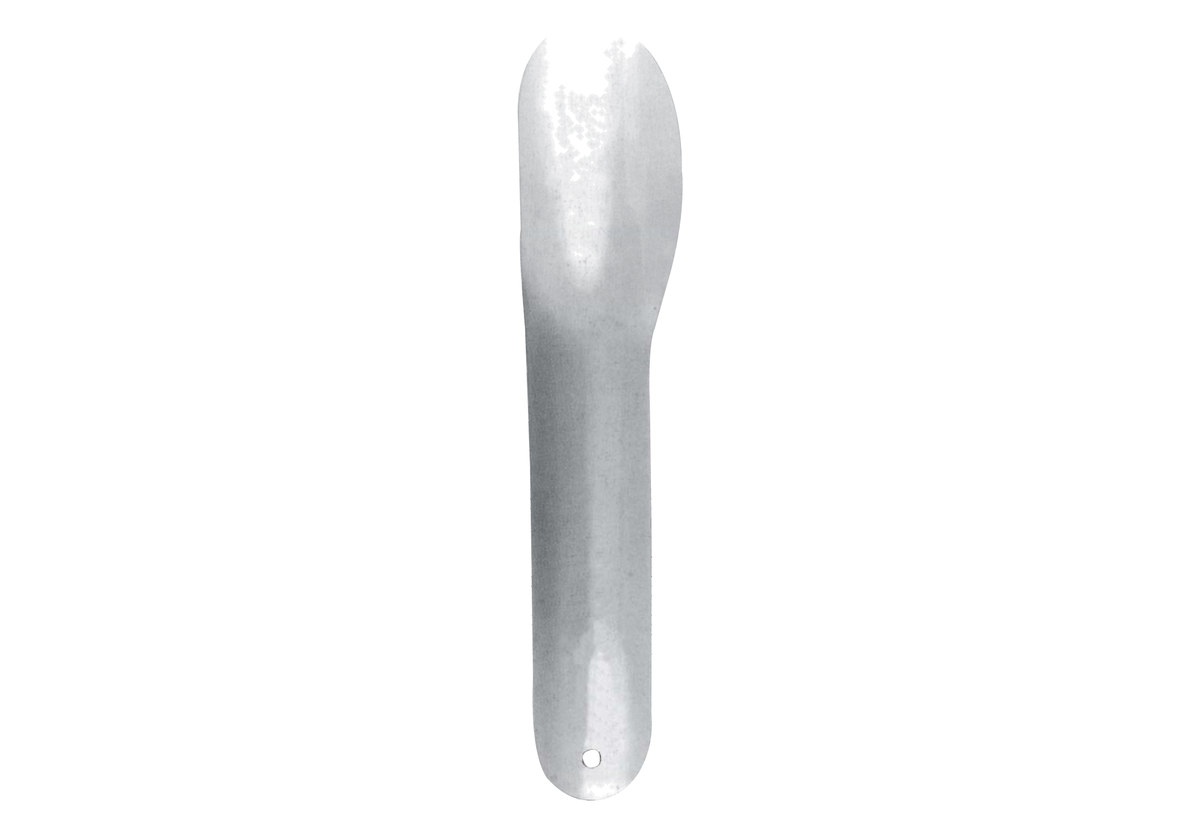
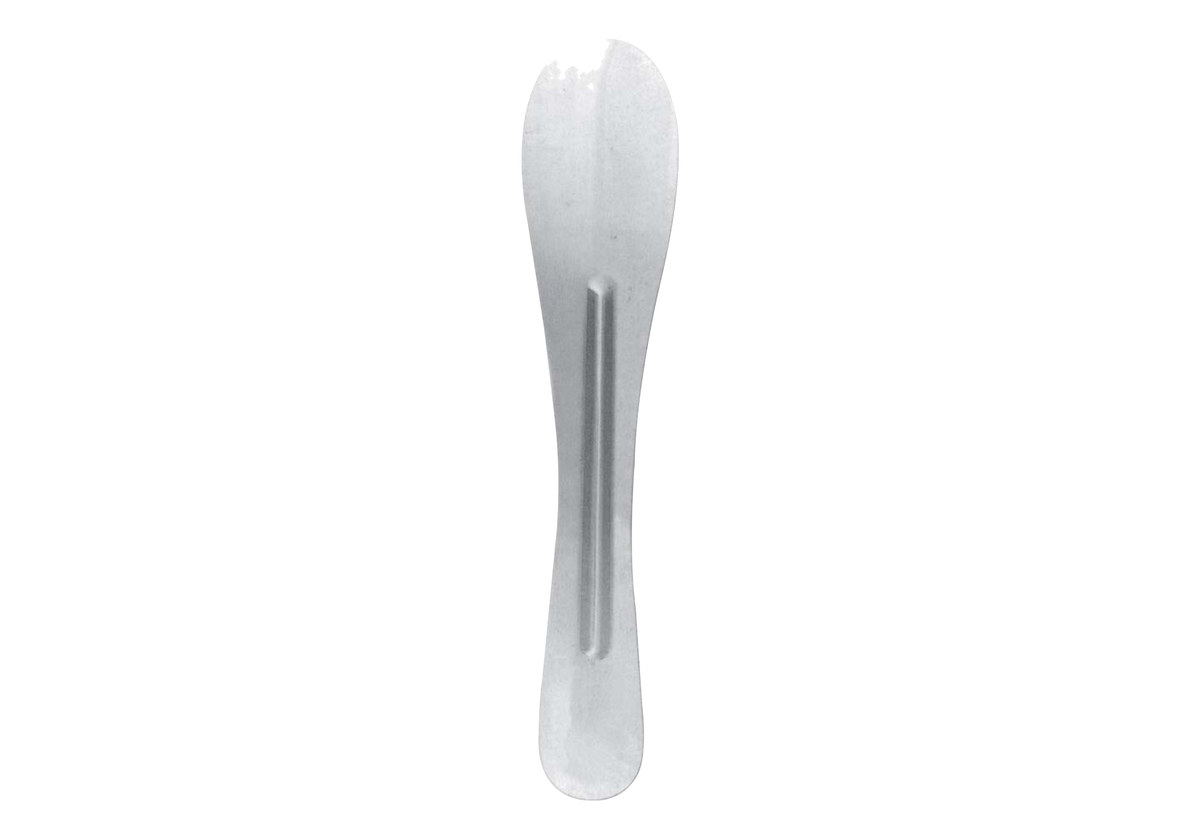
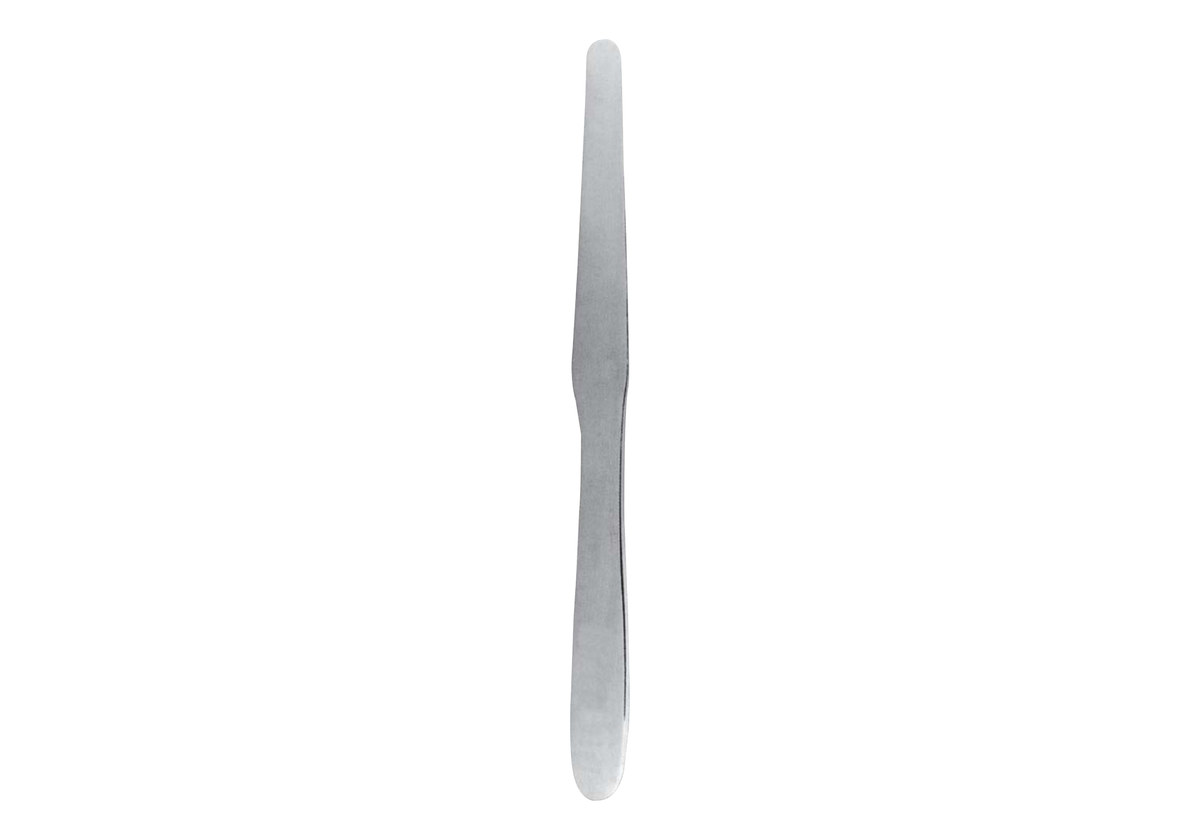
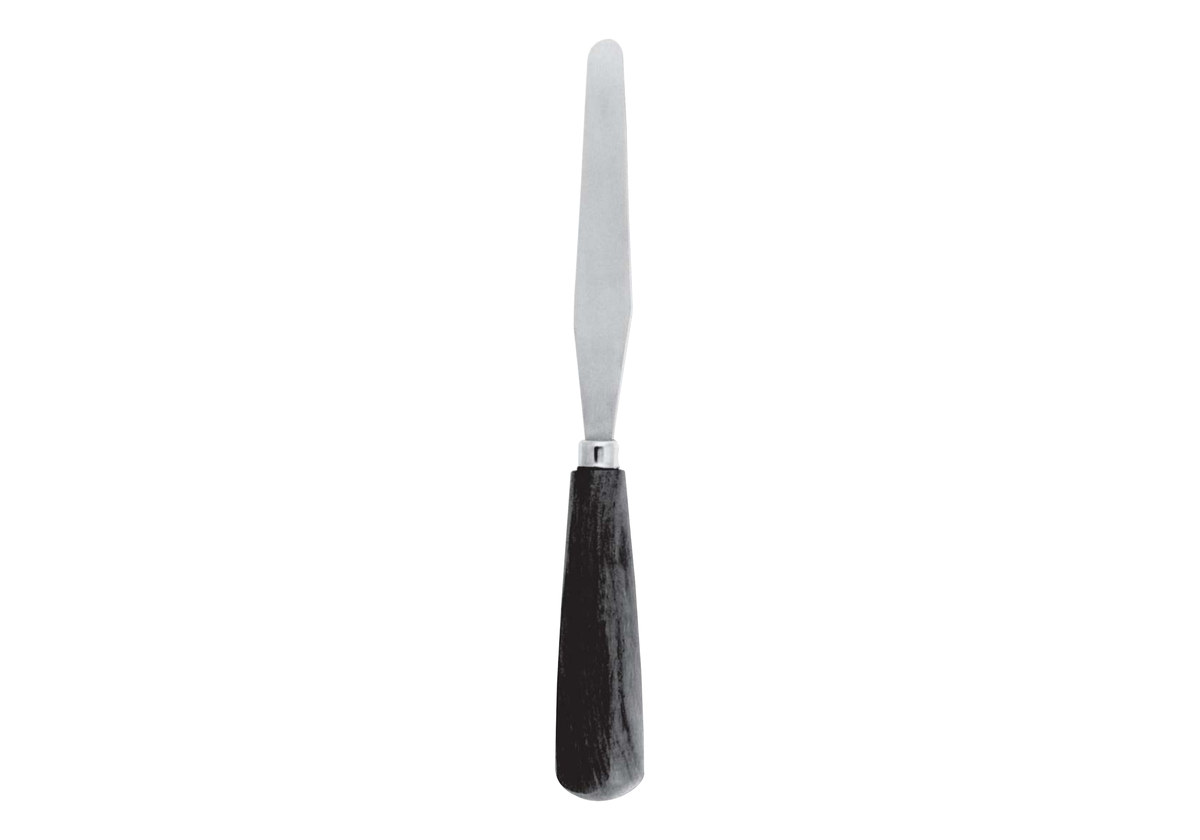
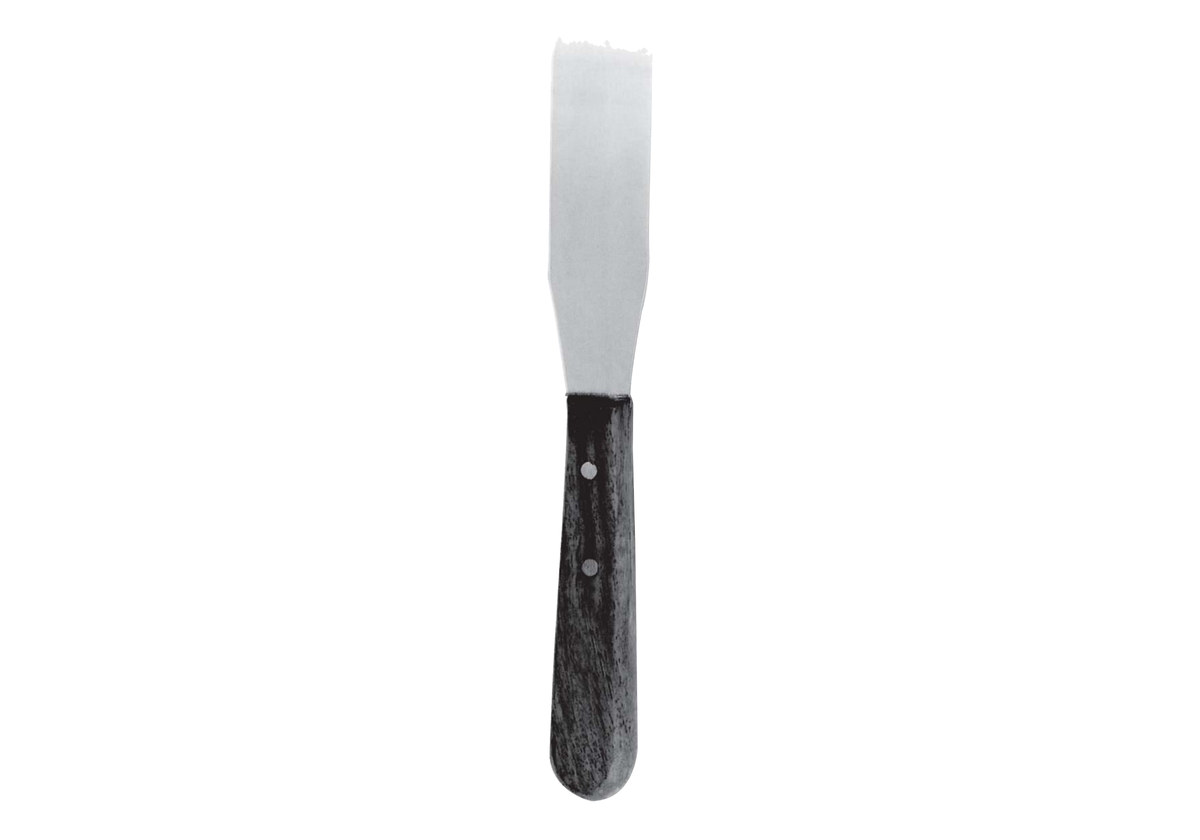
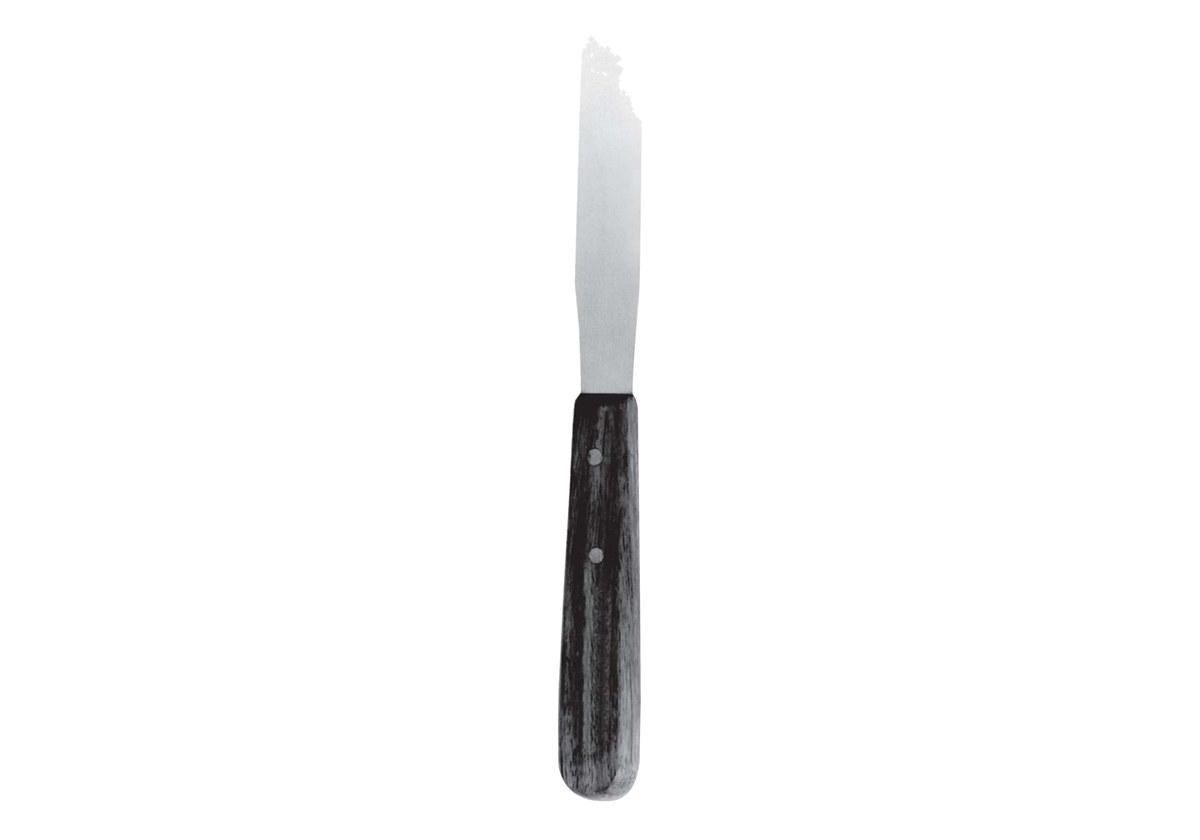
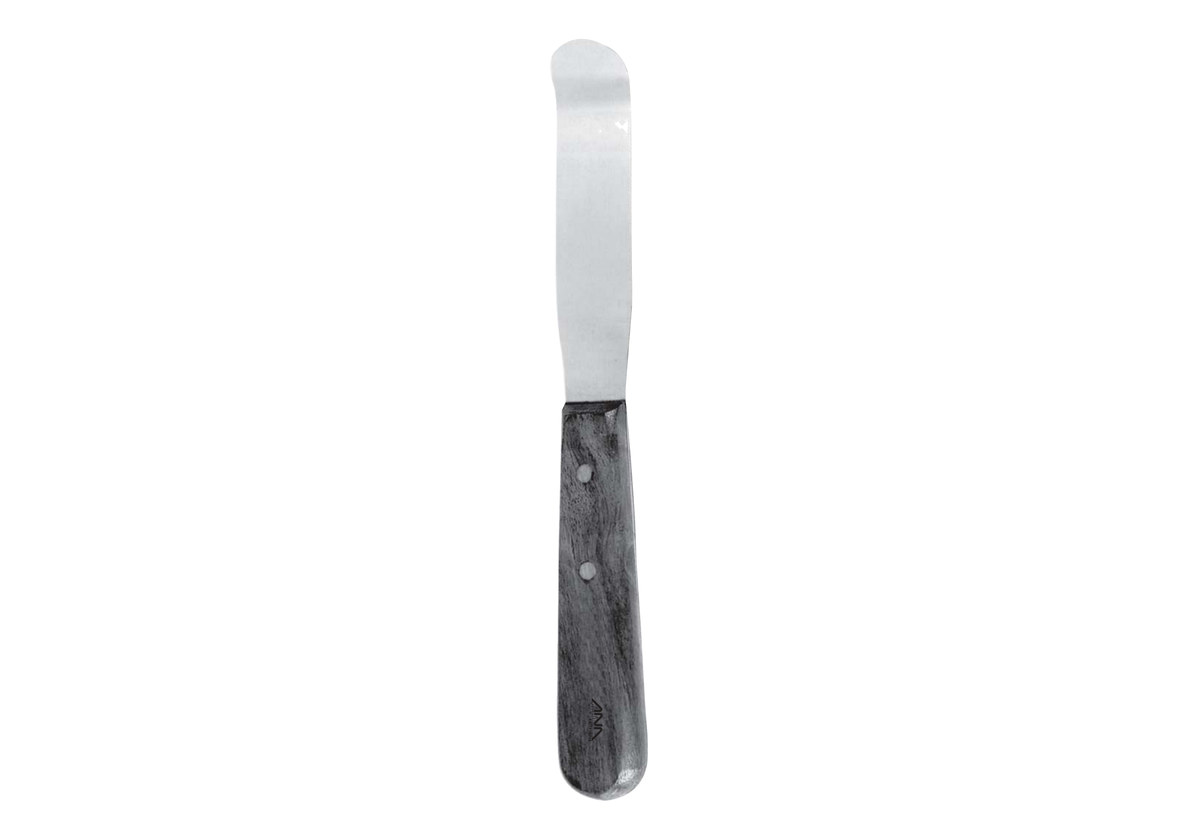
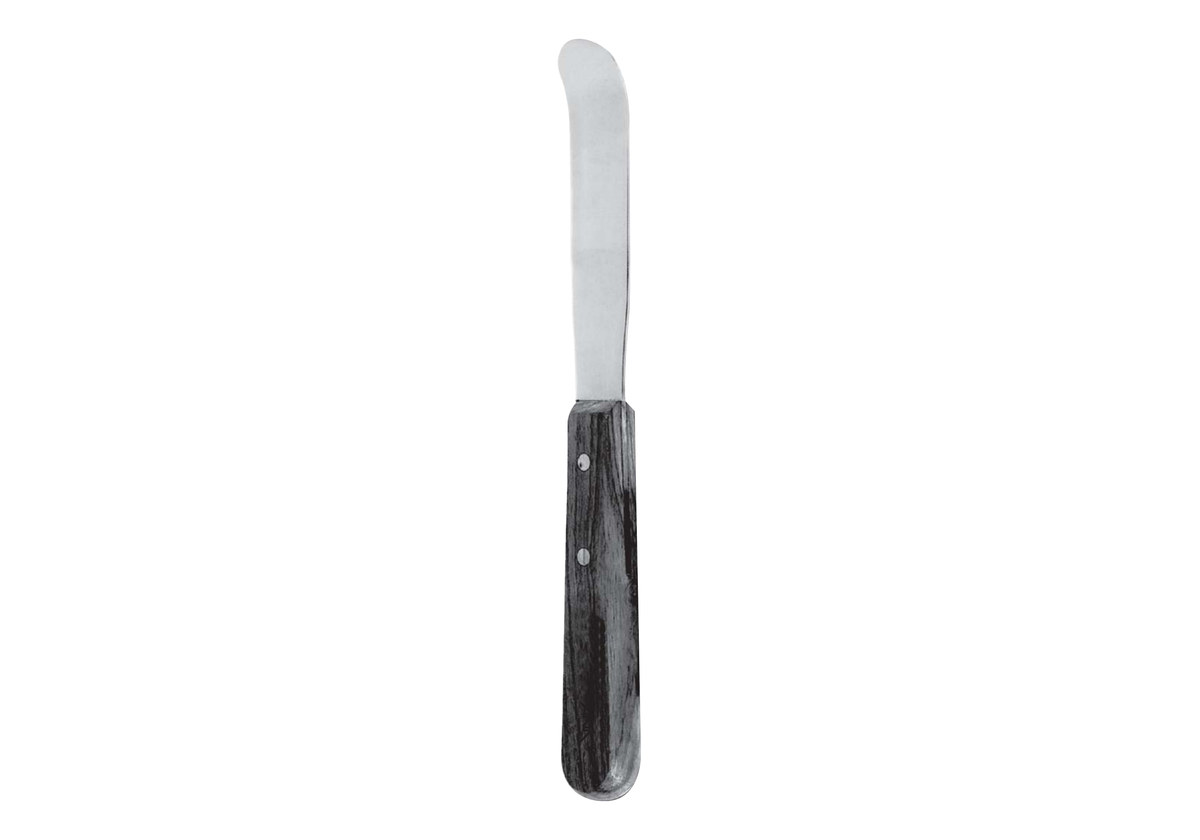
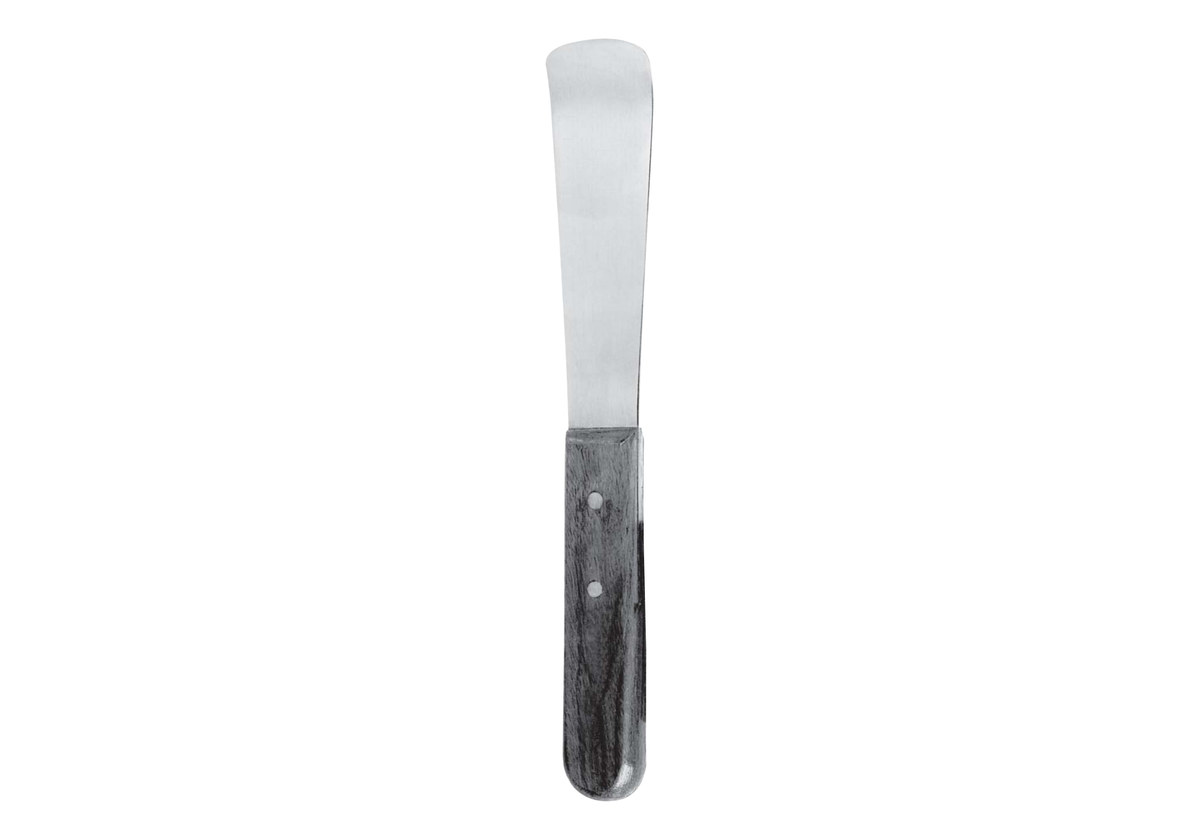
A good alginate and plaster spatula lets you press lumps out against the bowl wall. This page groups nine figures from the supplier’s mixing spatula page. Each is numbered 1 to 9 in the option menu. The catalogue sorts them into alginate blades, plaster blades and a dual-purpose group, and also gives an overall length for each one. So you can choose by material first and length second.
Figs. 1 to 3: Alginate Blades
The first three figures are listed for alginate. Fig. 1 measures 18.5 cm, Fig. 2 is 18 cm and Fig. 3 is 18.5 cm. Because these are the shortest options, they sit comfortably in the hand for quick chairside impression mixes. Compare the blade outlines in the photos, since the catalogue shows each figure as its own row.
Figs. 4 to 6: Plaster Blades
Next come the plaster spatulas. Fig. 4 is 19.5 cm, Fig. 5 is 21.5 cm and Fig. 6 is 20.5 cm. Lab technicians and dentists pouring models often prefer this longer reach for bigger bowls of stone or plaster.
Figs. 7 to 9: One Spatula for Both
- Fig. 7: 19.5 cm, listed for alginate and plaster
- Fig. 8: 20 cm, the middle length of the dual group
- Fig. 9: 22.5 cm, the longest spatula on this page
If a single spatula has to cover both impressions and model pouring, these three are the practical choice. Our United States staff looks over every blade for straightness and finish before dispatch. Also, Intrace USA backs all nine spatula figures, covering three years against manufacturing defects spatula by spatula. Spatulas ship non-sterile, so scrub off any polishing residue and sterilize them before clinical use.
Spatula steel meets the ASTM F899 standard. Browse our restorative and lab hand instruments, pick up stiffer Cement Spatulas for luting cements, or read our FAQs.
Mixing spatulas are sold for dental clinicians and laboratory technicians. Consult our spatula care and sterilization tips and shipping details before ordering.

Reviews
There are no reviews yet.