




Description
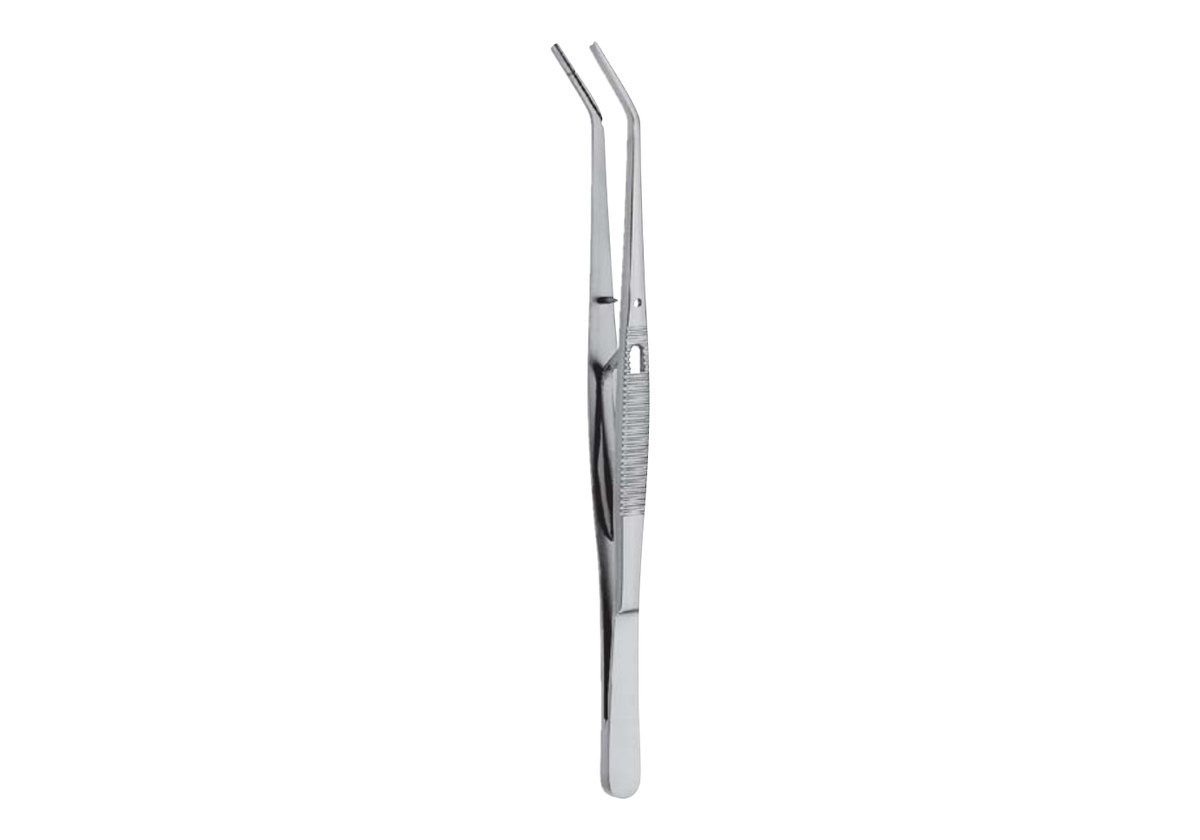
Self-Locking Grooved Membrane Forceps
Barrier membranes are thin, slippery and easy to drop once they are wet. These self-locking membrane forceps grip the membrane and hold it without constant finger pressure. The supplier catalogue lists them as self locking grooved, within its membrane instruments section. There is one version on this page.
Why the Lock Matters
With ordinary tweezers, the clinician must squeeze the whole time. In contrast, a self-locking design keeps the jaws closed once set. So the operator can trim a membrane, then move it to the site without changing grip. That also frees attention for positioning instead of holding.
What the Grooved Jaws Do
The catalogue describes the jaws as grooved. Grooves give the membrane edge something to seat against, which helps resist sliding. However, they should still release cleanly when the forceps open. Compare the product photos with the membrane brands you use to judge the fit.
A Typical Membrane Workflow
First, the clinician sizes the membrane against the defect. Next, the forceps lock onto one edge while scissors trim the shape. Then the membrane is carried over the graft and tucked under the flap. Finally, tacks or sutures secure it, and the forceps release.
Inspection, Sterility and Coverage
The forceps are stainless steel. Each pair is reviewed for lock action and jaw alignment in the United States before shipping. Because they come non-sterile, open the lock fully during cleaning and then sterilize them. This membrane forcep carries Intrace USA coverage of three years against manufacturing defects in the lock mechanism.
Steel for these forceps follows ASTM F899. See our Dental Implant Instruments for related grafting tools. The Membrane Placement Instrument helps tuck the edges once the forceps let go. Our FAQs cover order questions.
For trained dental and implant professionals. Read our reprocessing guide and shipping details before clinical use.

Reviews
There are no reviews yet.