




Description
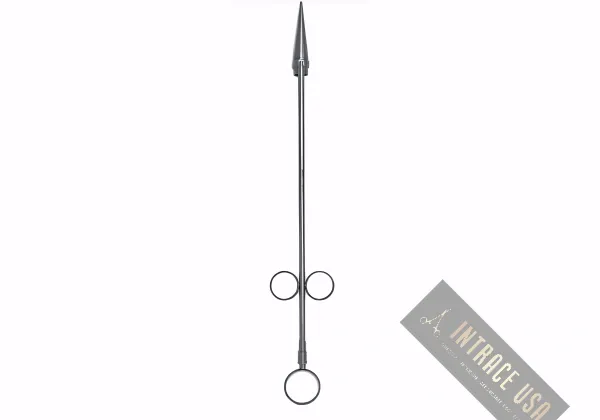
Rudd Hemorrhoid Ligator
The Rudd hemorrhoid ligator places an elastic band at the base of an internal hemorrhoid. Its 30.5 cm length reaches comfortably through an anoscope.
How band ligation works
First, you load a band onto the drum. Next, you draw the hemorrhoid into the drum and release the band. The band then cuts off the blood supply, and the tissue falls away over the following days.
Why choose a Rudd hemorrhoid ligator
Many clinicians like the Rudd design because one hand works the whole action. As a result, the other hand stays free to hold the anoscope steady.
Setting up for a banding clinic
Before the list starts, load several bands, so you can treat more than one site without delay. In addition, keep a spare drum and a loading cone within reach. Most clinicians band one or two columns per visit and review the patient after a few weeks. Also, patients usually need a short explanation of what to expect afterwards, such as a feeling of fullness for a day or two. So a printed aftercare sheet saves time at the end of each appointment.
Cleaning and storage
Take the instrument apart as far as it allows after each use. Then brush the drum and moving parts, rinse them, and dry everything before sterilization. Also, check the release action before the next clinic.
Rudd hemorrhoid ligator specifications
- Length: 30.5 cm
- One-handed band release
- Stainless steel, reusable
Why buy from us
Also, every Rudd ligator we sell carries three years of cover against manufacturing defects. Then our Atlanta office checks every order before dispatch. You can find care tips in our FAQs. Meanwhile, ASTM F899 describes the steel grades used for surgical instruments. For the classic two-handed design, see the McGivney hemorrhoidal ligator. Our full range sits in the intestinal and rectal category.
For professional use only. Photos are a guide, and stainless steel contains nickel. See our care and sterilization guide for details.
Reviews
There are no reviews yet.