




Description
Titanium Periotomes
A titanium periotome slides into the ligament space to sever fibers before a tooth is lifted out. This line offers seven blade patterns in smooth and serrated finishes. Every blade is inspected by our team in the United States prior to dispatch.
Seven Patterns, Two Naming Groups
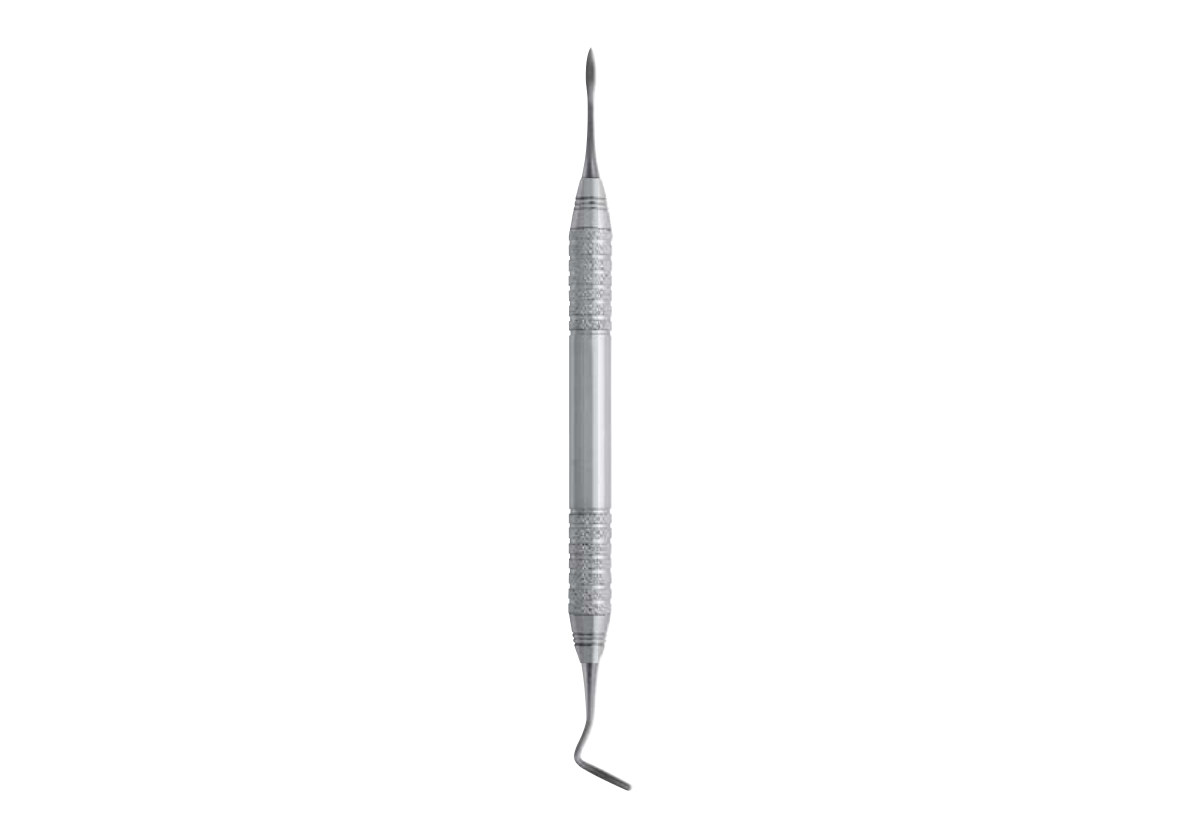
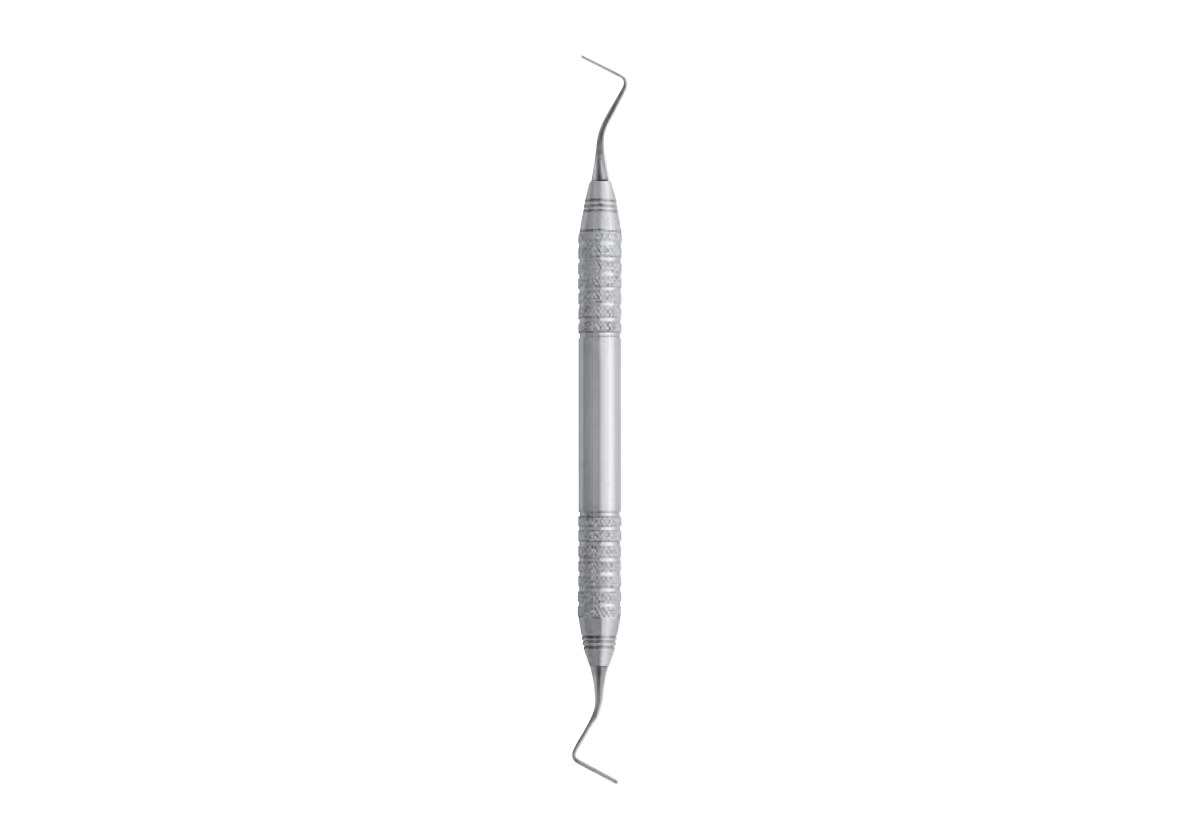
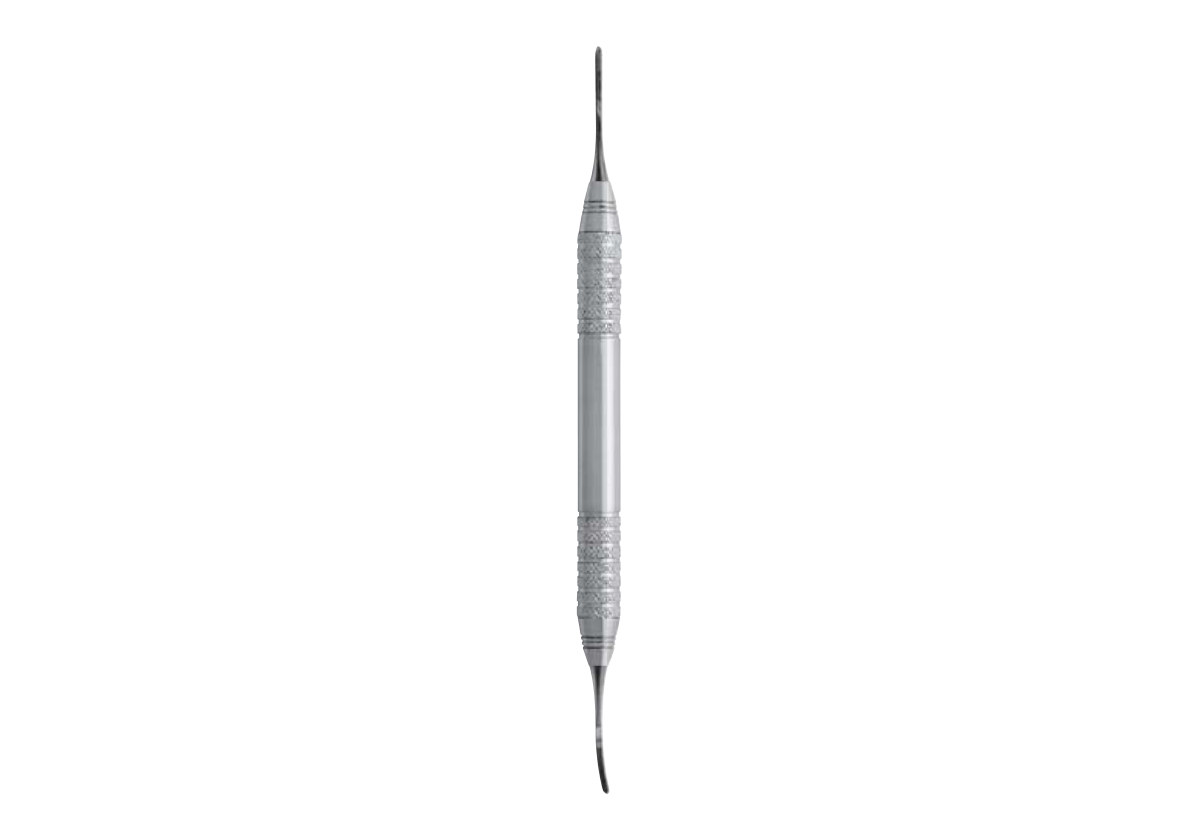
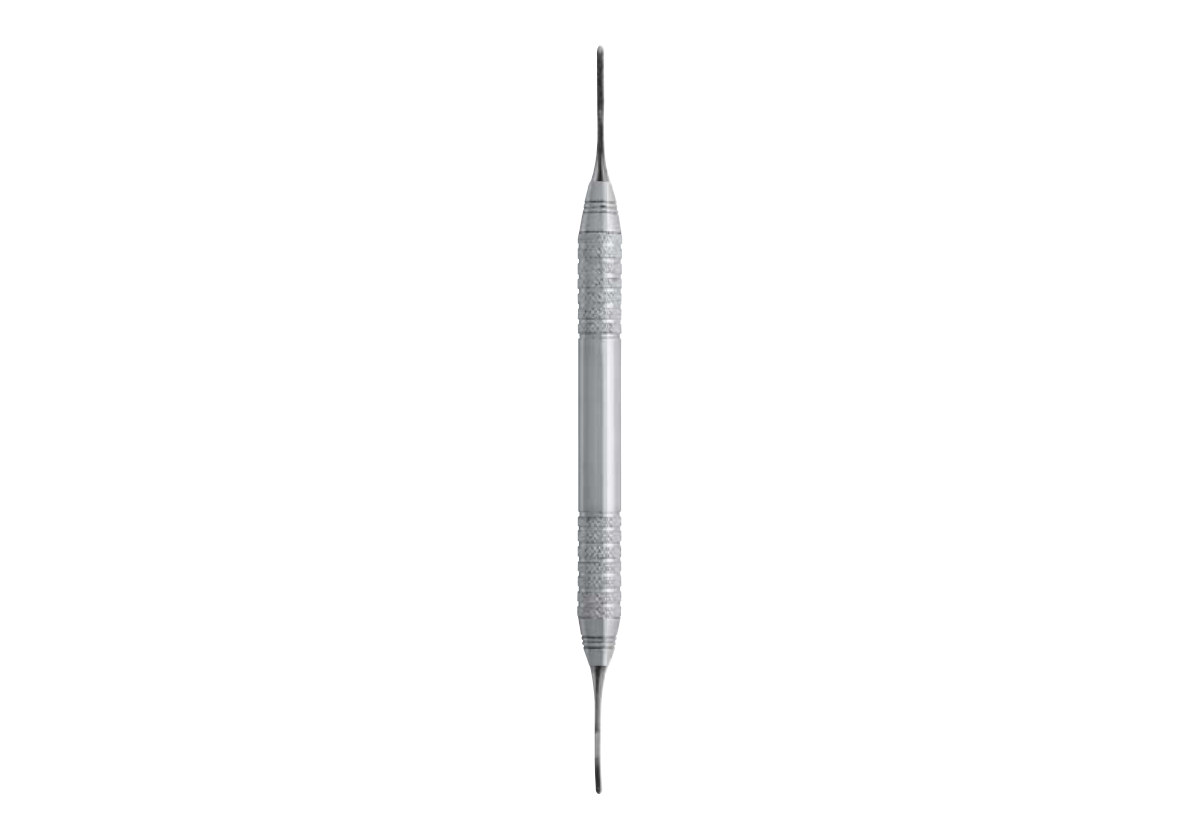
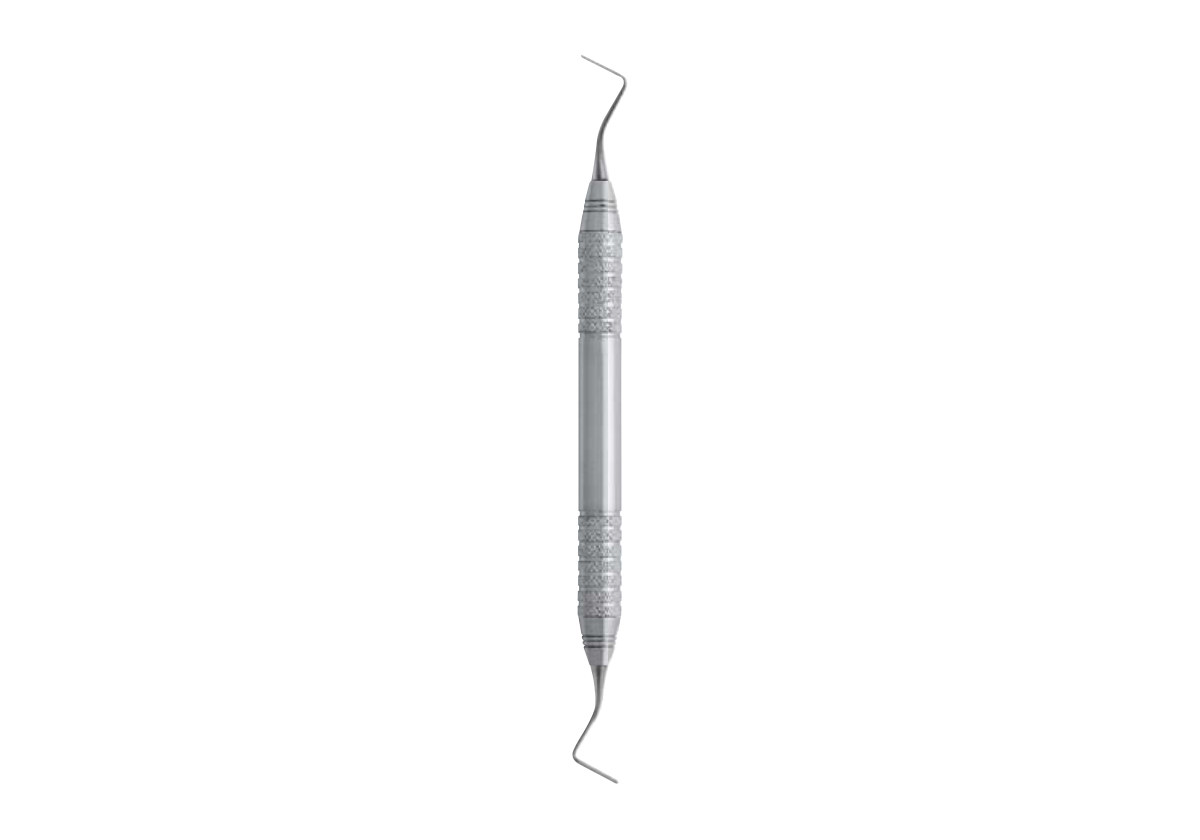
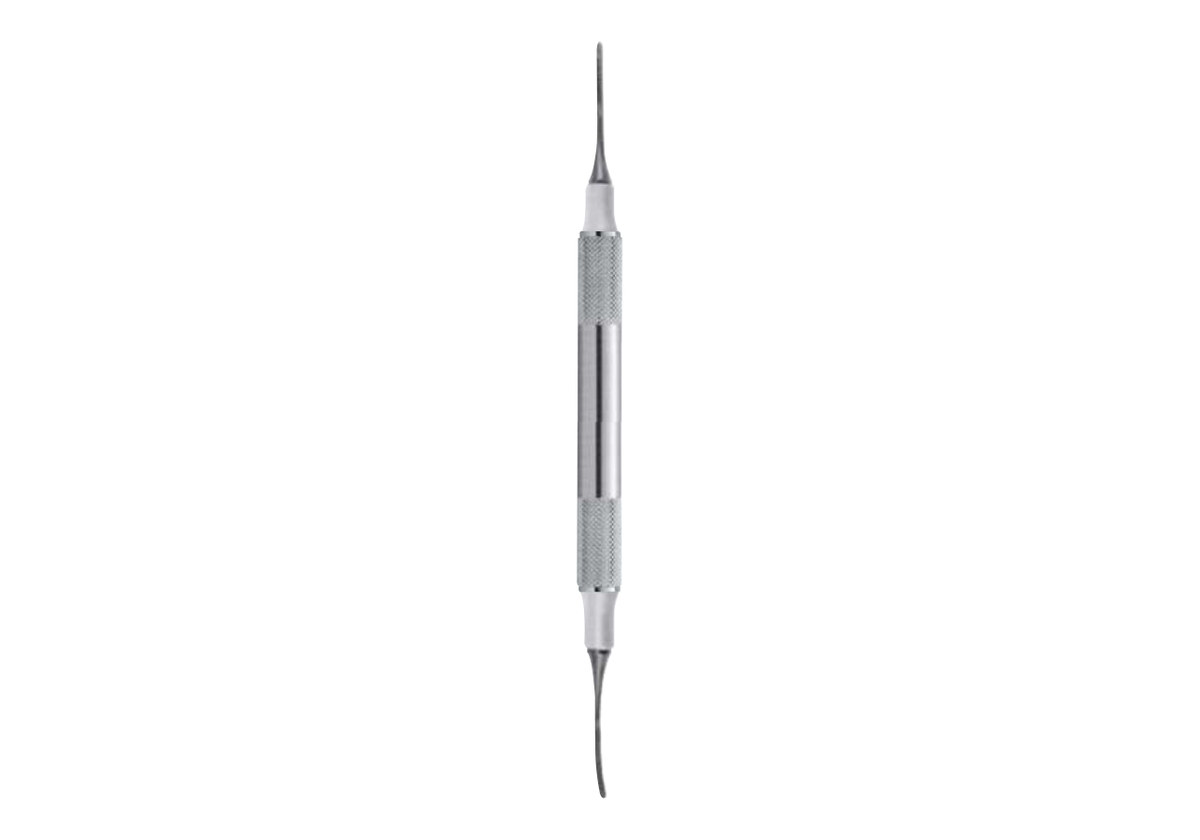
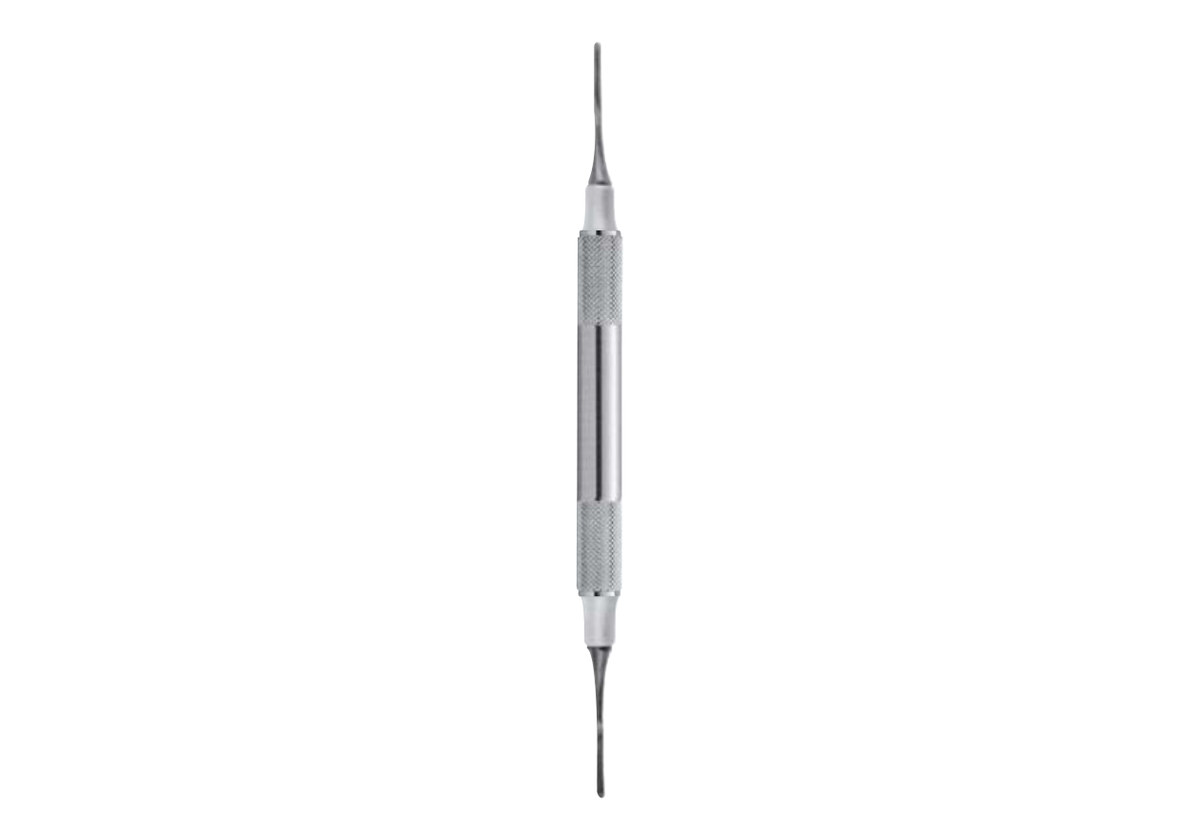
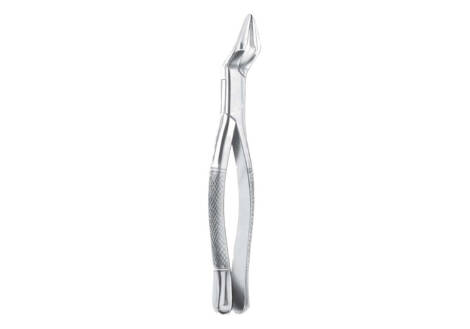
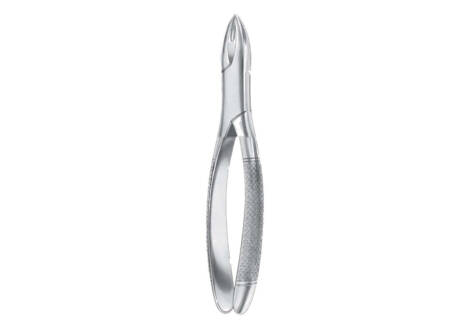
The PT group has three serrated options: PT1 Anterior, PT1 Posterior and PT2 Anterior. The PPAEL and PPAELA groups each come Smooth or Serrated. That gives four more choices. The catalogue lists these as pattern names without further notes. So we recommend comparing the photos to see each blade’s shape and angle.
Anterior or Posterior Reach
Location drives the first decision. Anterior patterns suit incisors and canines, where access is direct. The PT1 Posterior, on the other hand, is intended for teeth further back in the arch. If you treat both regions, a pair of PT1 blades covers the full mouth.
Smooth Versus Serrated Edges
A smooth blade glides along the root with little drag. A serrated blade, meanwhile, adds texture that engages fibers as you work it apically. Some clinicians open with a serrated tip, then finish with a smooth one. The PPAEL and PPAELA patterns let you try both edges in the same shape.
Why Titanium Here
These blades are titanium, a metal noticeably lighter than surgical steel. As a result, the instrument feels less tip-heavy during slow, careful luxation. Our coverage still applies: each blade is protected for three years against manufacturing defects.
For context, our stainless steel range follows ASTM F899, while these periotomes use titanium. More options appear in Dental Implant Instruments. Once fibers are released, a Grooved Luxating Elevator continues the extraction. See our FAQs for order help.
Reserved for trained dental and surgical professionals. Periotomes come non-sterile; sterilize them before patient contact following the care and sterilization page. Carrier and timing information sits on our shipping and delivery page.

Reviews
There are no reviews yet.