




Description
P.K. Thomas Modelling Carver Set, 5 Pieces
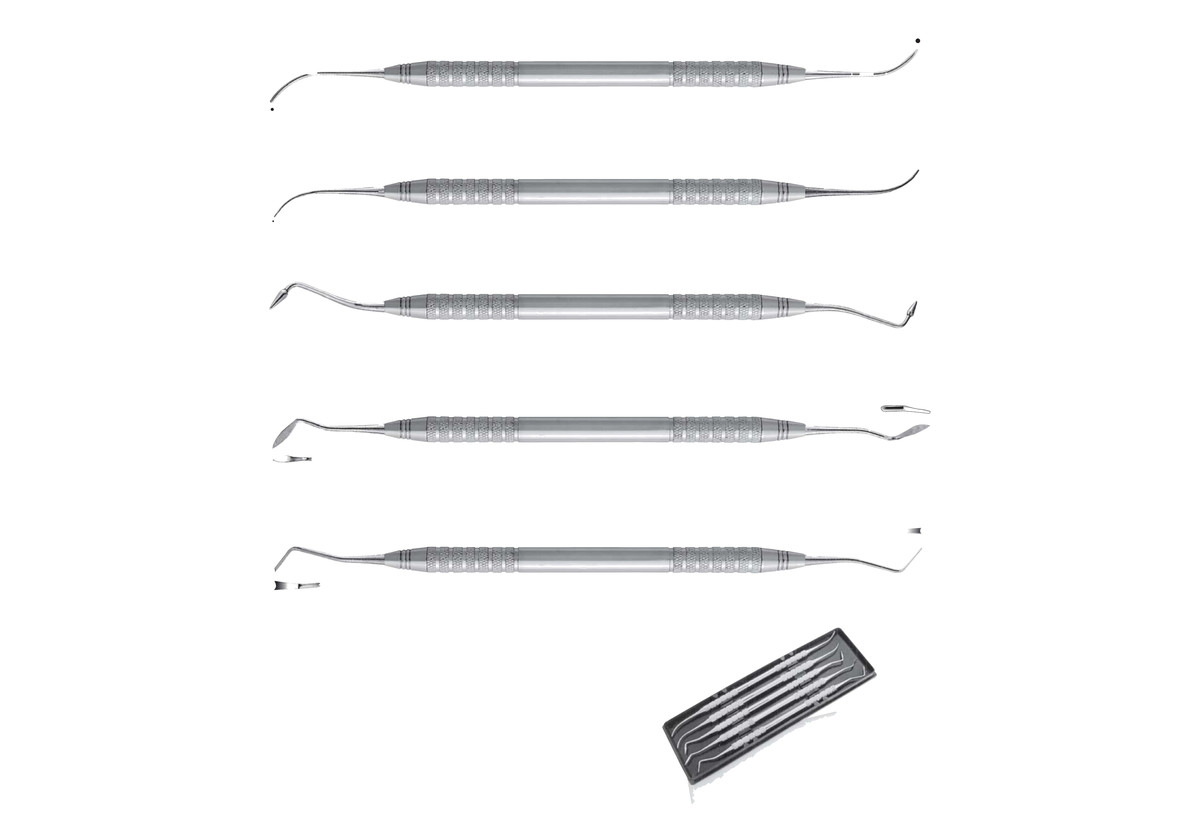
Wax-ups need tools that add as well as carve. This P.K. Thomas modelling carver set gives you the five classic patterns, Fig. 1 to Fig. 5, for occlusal waxing in the lab and in prosthodontics.
Adding wax, cone by cone
The method builds a tooth from small cones of wax. Fig. 1 has a cone tip that holds heat and carries a drop of wax. You warm it, pick up wax, then let the drop flow onto the model. Fig. 2 has a fine point, so it places smaller drops for ridges and tips.
Carving and smoothing
After the wax cools, the blades take over. Fig. 3 has a rounded blade for fossae and curved slopes. Fig. 4 has a broad blade, which helps on larger surfaces. Finally, Fig. 5 is a discoid that smooths and refines the form.
Who uses these tools
- Dental technicians building crown and bridge wax-ups
- Prosthodontic teams planning occlusion
- Dental schools teaching occlusal anatomy
Why keep all five together
Each figure does one job well, but the method needs the whole run. When you buy the five as one product, the handles match and nothing is missing on day one. That also beats adding singles over time.
Pairing with clinical trays
These are wax tools, not cutting tools. So they suit the lab bench rather than the chair. However, many practices keep them near their crown and bridge tray, since both serve the same cases.
How to order and maintain it
We supply the kit made to our specification, and every carver gets a hand check in the United States. Its stainless steel lines up with ASTM F899. Our cover extends three years against manufacturing defects, as long as you use the tools for waxing. The set arrives non-sterile; clean it after use, sterilize where your protocol asks, and reuse it for years. See clinical and lab sets, the Crown and Bridge Set, or our questions and answers.
For dental professionals and technicians. Our care and sterilisation advice and shipping notes cover the basics.
What is in the set
| Instrument | Typical use |
|---|---|
| P.K. Thomas Fig. 1, cone | Adding wax cones |
| P.K. Thomas Fig. 2, fine point | Adding small drops of wax |
| P.K. Thomas Fig. 3, rounded blade | Carving fossae and slopes |
| P.K. Thomas Fig. 4, broad blade | Carving larger surfaces |
| P.K. Thomas Fig. 5, discoid | Smoothing and refining wax |
| Sterilization cassette | Keeps the set together through cleaning, sterilization and storage |
Reviews
There are no reviews yet.