




Description
Hopkins Periodontal Instruments
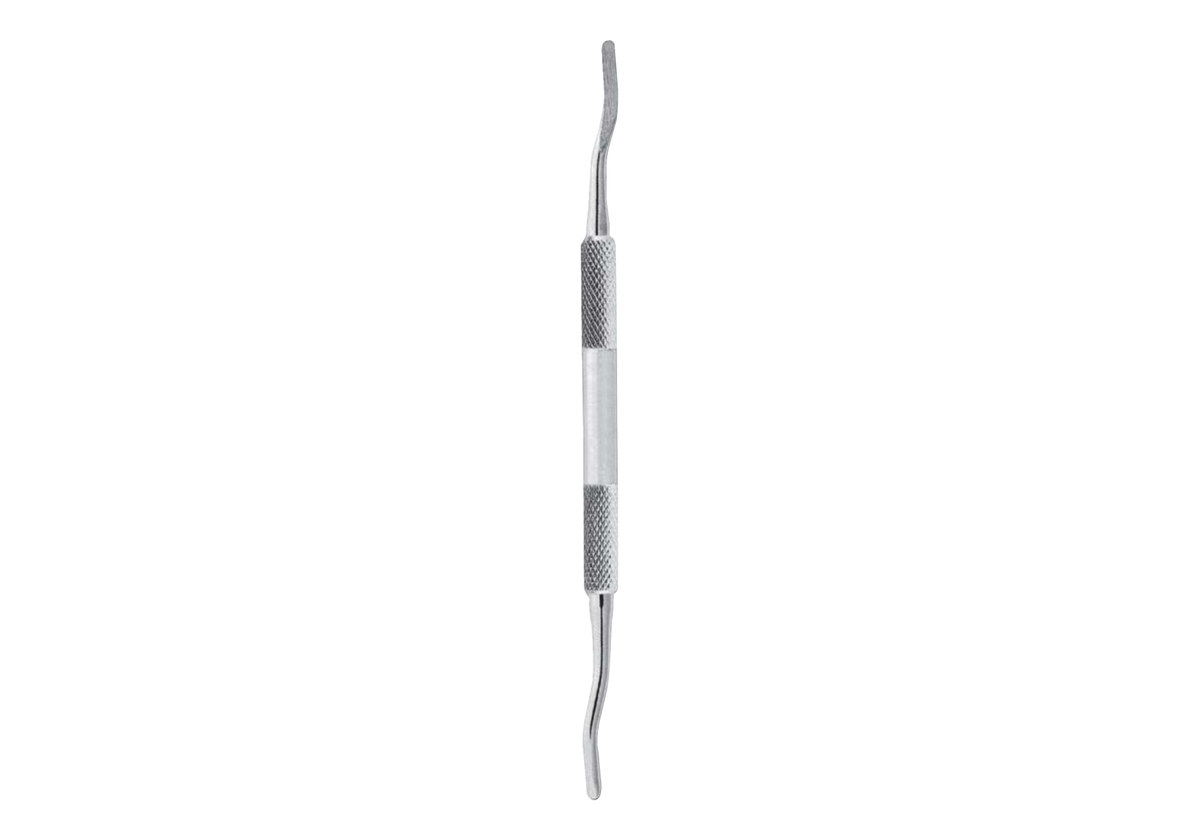
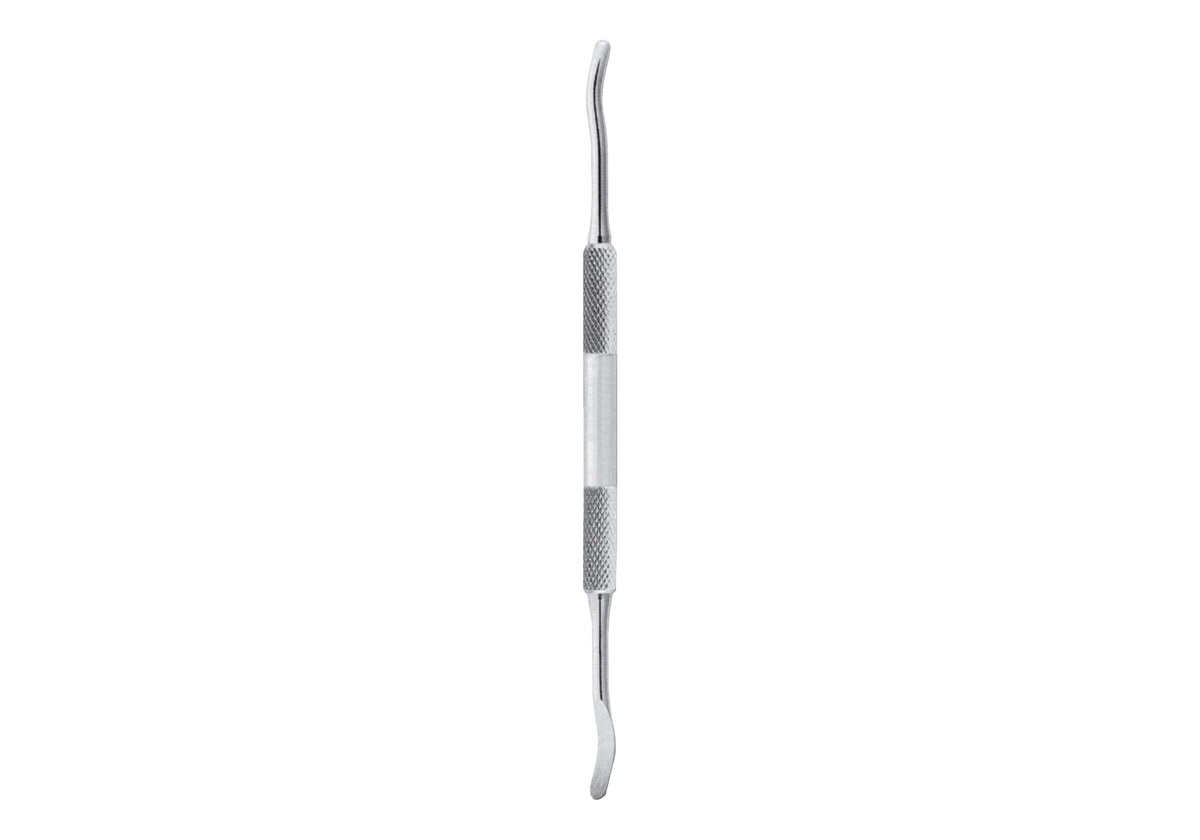
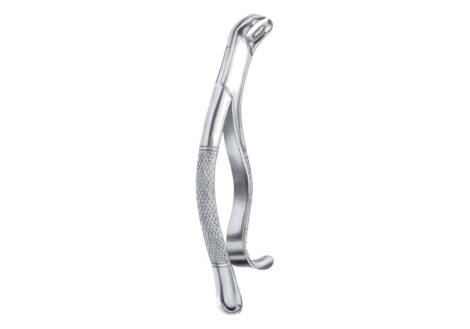
Periodontal surgeons often build their trays around a handful of named patterns. We list the hopkins periodontal instrument in both figures that our supplier shows, Fig. 1 and Fig. 2. In that catalogue, it shares a page with the Molt, Allen 9A and Prichard PR3 patterns. That grouping points to its role in periodontal flap work.
Where Hopkins Sits Among Periosteal Patterns
Molt and Prichard ends are familiar choices for reflecting tissue from bone. The Hopkins offers a different working-end profile within the same family. As a result, it gives surgeons another shape for sites where the usual ends feel awkward. Many periodontists keep a few patterns so that each area of the arch has a good fit.
Comparing Fig. 1 and Fig. 2
The two figures carry only numbers in the catalogue, with no printed sizes. Therefore, the product photos are your best guide. Check the angle and width of each tip, then think about the regions you treat most. If both shapes look useful, order the pair.
Matching the Instrument to Your Hand
A familiar pattern speeds up any procedure. For that reason, clinicians who learned on Hopkins instruments often prefer to keep the same feel. Meanwhile, newer users can trial one figure first and add the second later.
What We Do Before Shipping
Our U.S. staff inspects each Hopkins figure before it is packed. Since the instrument arrives non-sterile, put it through your full reprocessing routine before surgery. Fig. 1 and Fig. 2 share identical coverage: three years against manufacturing defects.
Its stainless steel aligns with ASTM F899. Browse more diagnostic, periodontal and restorative instruments, or add Williger periodontal instruments to round out a flap tray. Our FAQs answer common questions.
Supplied for trained dental professionals. Please review our instrument care guide together with our shipping information before placing an order.

Reviews
There are no reviews yet.