




Description
Dental Elevators, Double-Ended, 170 mm
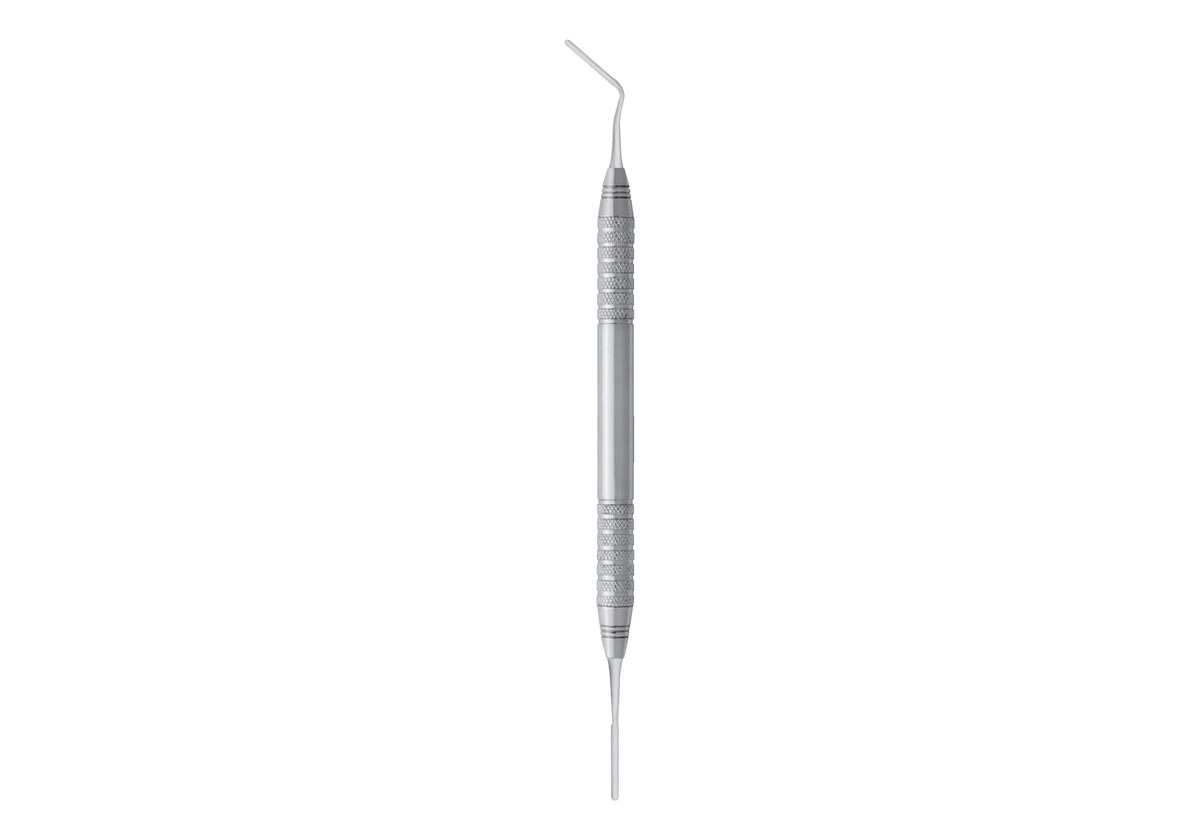
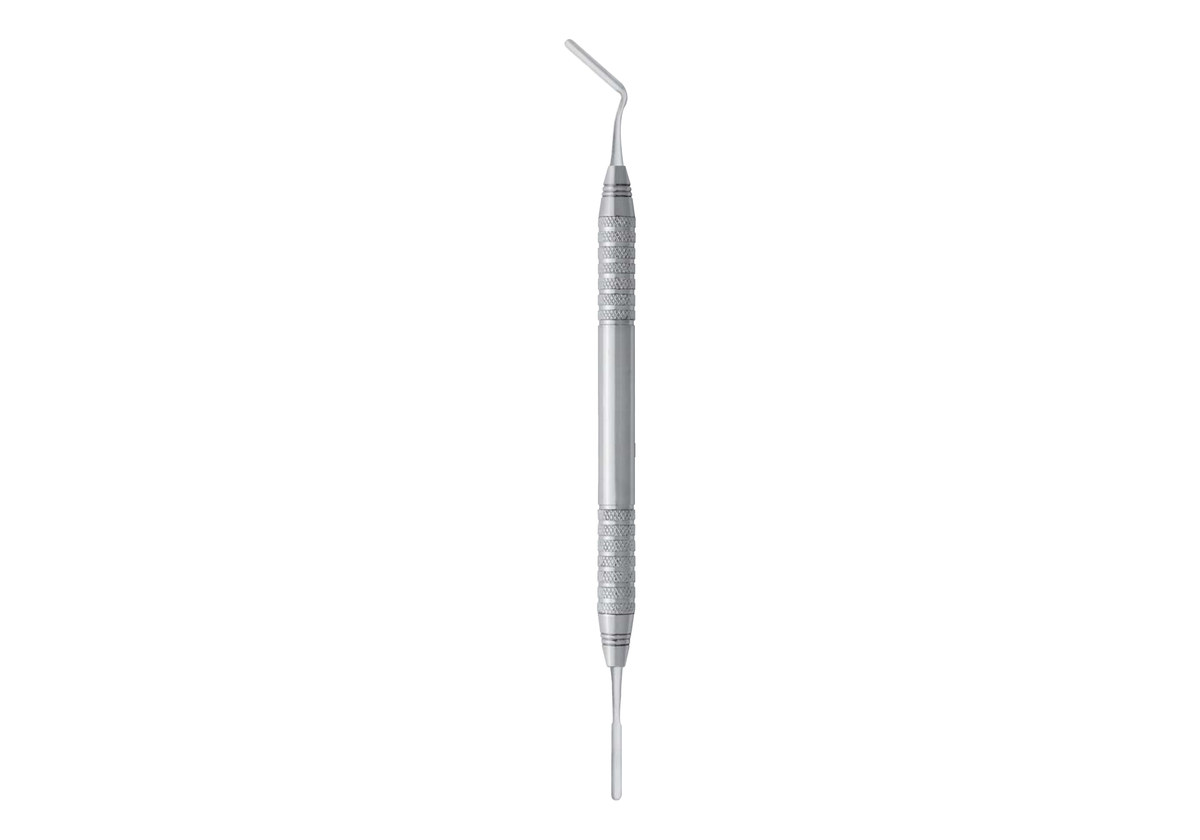
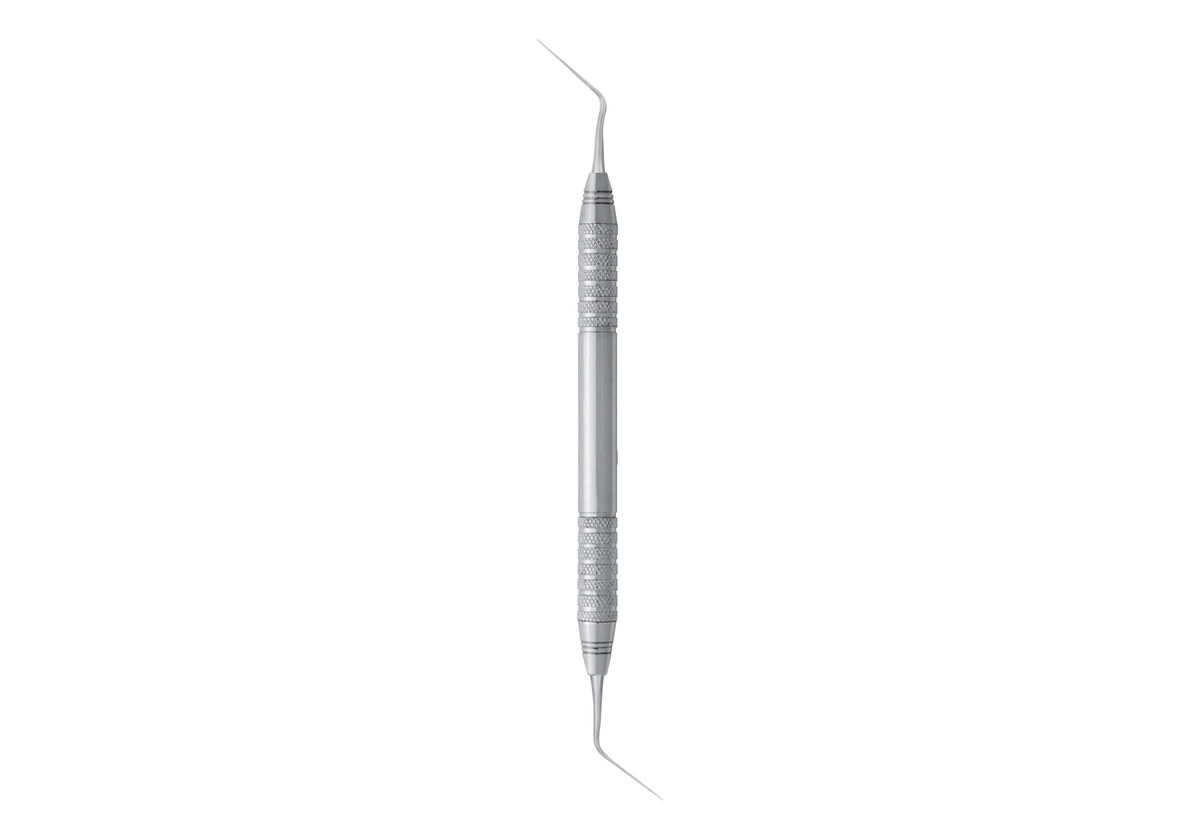
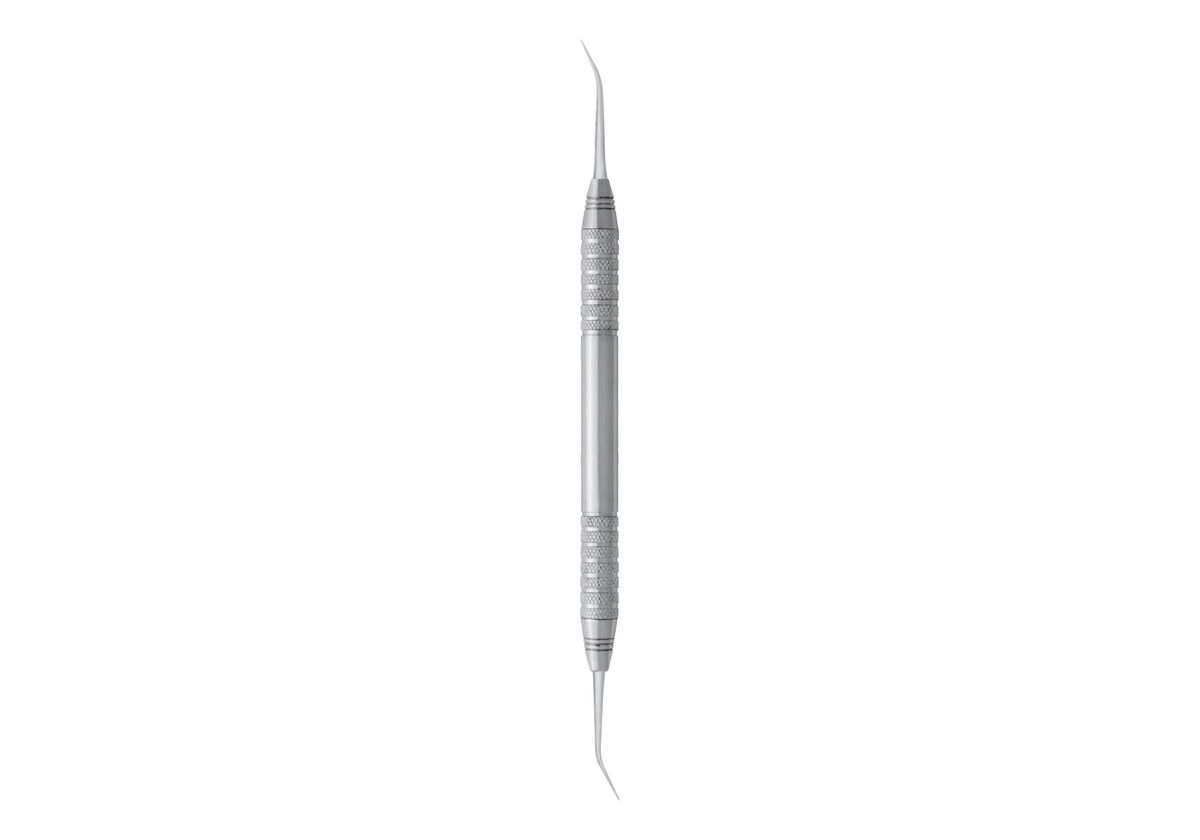
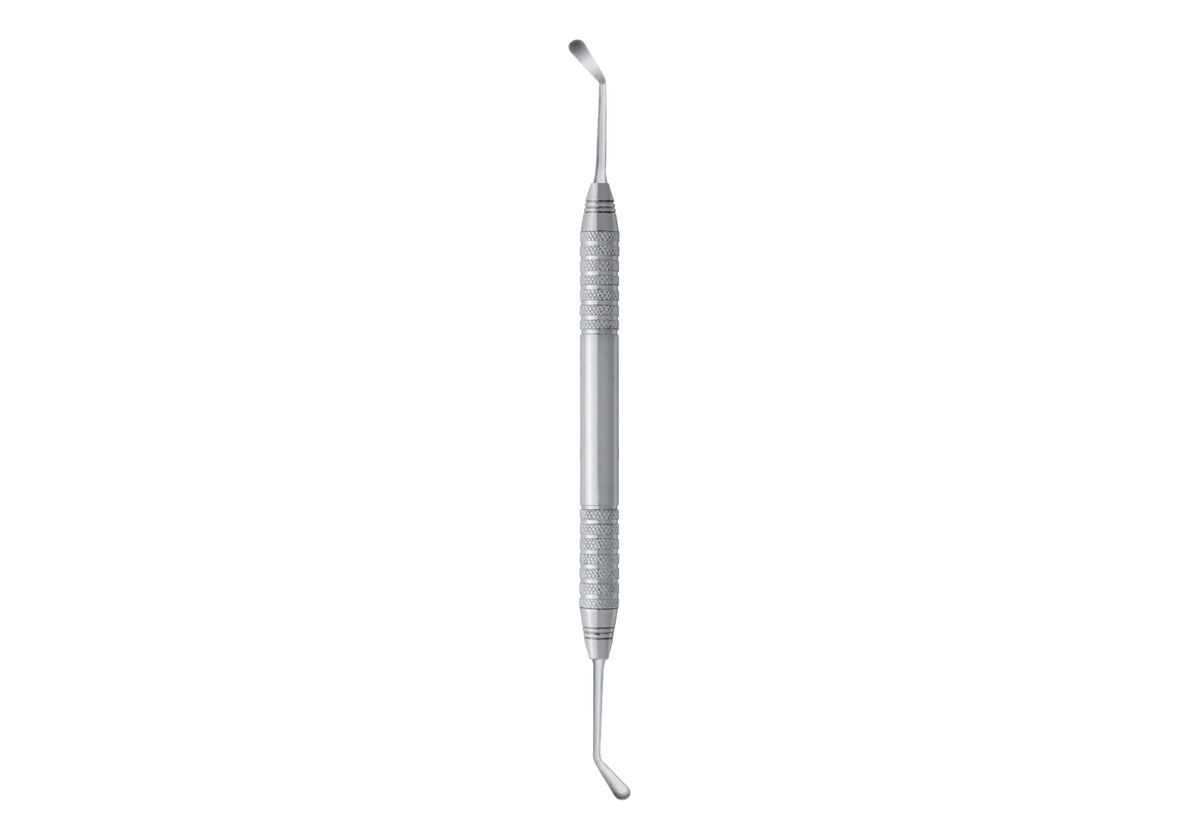
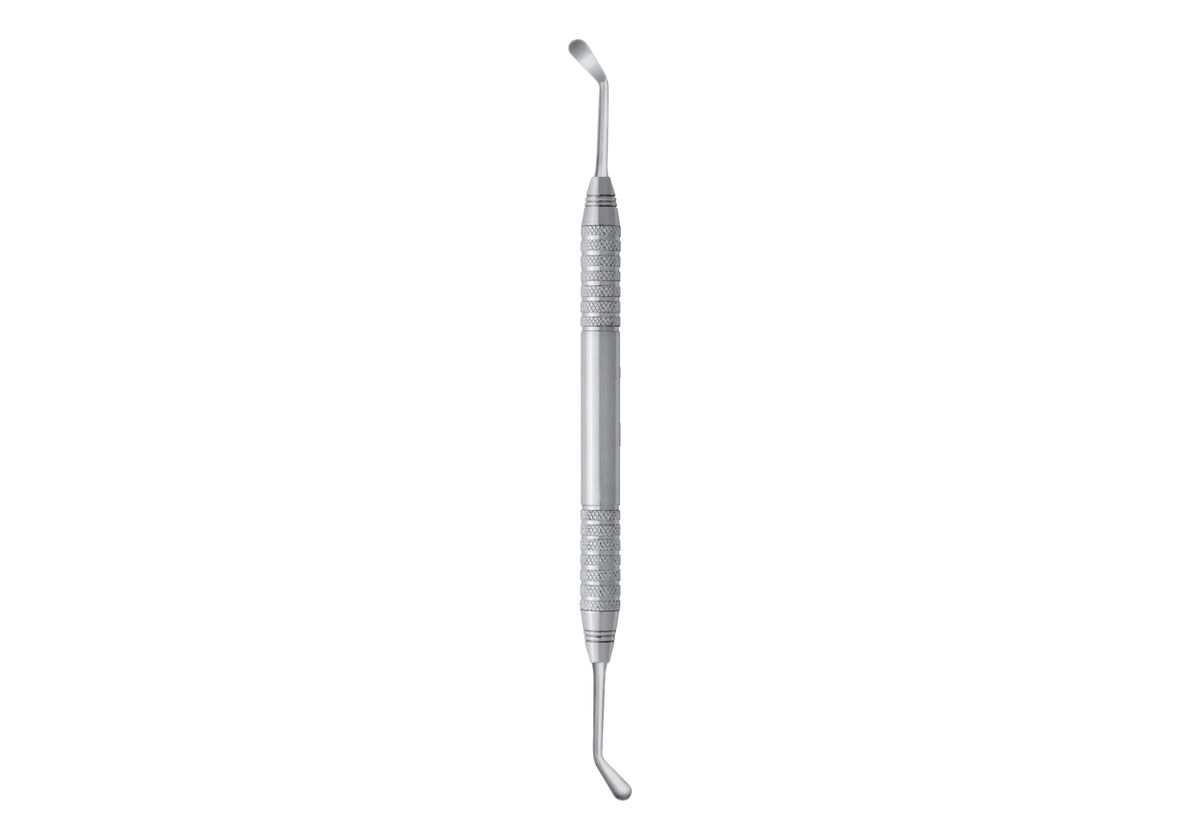
This double-ended dental elevator offers two working ends. Both sit on one 170 mm handle, so a single pick-up covers both sides of a root. Six patterns are available, from narrow blades to spoon and loop tips. Our staff inspects each piece in the United States before dispatch from Atlanta.
Reading the Six Tip Patterns
The options form two families. First, the blade group: 1.8mm, 2.5mm and 2.5/1.8 mm, Style 2. The first two each carry a single blade width. Style 2 mixes both widths, with a narrow end opposite a wider one. Second, the tip group: Small Spoon Tip, Large Spoon Tip and Loop Tip. These trade the flat blade for a cupped or open end.
Narrow Blade or Wide Blade?
Start with the space you have. A 1.8 mm blade enters a tight ligament gap with little force. Then, once room opens, the 2.5 mm blade spreads load over more root surface. Many clinicians therefore keep both widths. Others choose Style 2 to save tray space. Because the catalogue lists Style 2 as a separate pattern, compare the photos before ordering.
Where Spoon and Loop Tips Fit
Spoon tips give a scooping contact. For example, the Small Spoon Tip suits a narrow socket. The Large Spoon Tip, by contrast, covers a broader area in one pass. The Loop Tip ends in an open ring. The catalogue adds no further detail on these three, so match each shape to your technique using the photos.
One Length, Three Years of Cover
All six measure 170 mm. As a result, hand feel stays constant when you change patterns mid-case. Each double-ended dental elevator is also guaranteed for three years against manufacturing defects, beginning on the day it arrives.
Its stainless steel is specified to ASTM F899. For neighboring tools, open our Dental Implant Instruments category. To release the ligament before you elevate, add our Luxating Elevators / Periotomes. Order and pattern questions are covered in the FAQs.
Professional use only, by trained dental staff. Elevators leave our warehouse unsterilized; run them through your cleaning and autoclave cycle first, as our care and sterilization notes explain. Transit details live on the shipping and delivery page.

Reviews
There are no reviews yet.