




Description
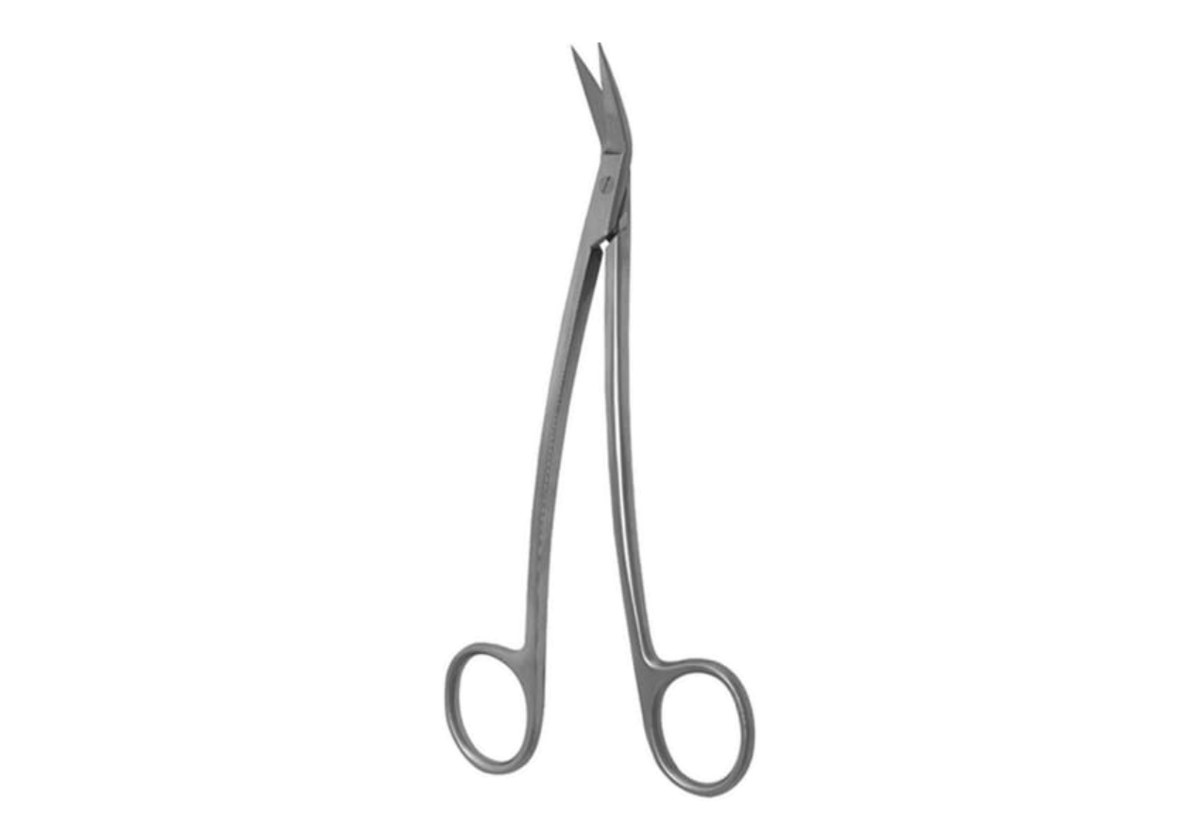
Dean Scissors, Curved
Oral surgeons need scissors that reach the back of the mouth without blocking the view. Dean scissors curved to follow the arch answer that need. At 17 cm, they are long enough to cut sutures and trim tissue behind the molars, while the curve keeps the tips visible above the work.
Reading the Curve
A straight blade forces the hand to line up with the cut. A curved blade, however, lets the tips meet the tissue at an angle while the handle stays out of the line of sight. Consequently, the surgeon sees exactly where the blades close. That matters most when cutting sutures close to a knot.
Tasks Dean Scissors Handle Well
These scissors trim ragged flap margins after an extraction. They also cut sutures at closure and remove granulation tags around a socket. Because the length helps leverage, they cope with tougher fibrous tissue too. For fine, delicate work, though, a shorter pair often feels more precise.
Size and Single Pattern
This listing offers one version: curved, 17 cm. That length sits between short gum scissors and long general surgical scissors. Many oral surgery practices therefore keep a Dean pair on each extraction tray.
- Pattern: Dean, curved
- Length: 17 cm
- Material: stainless steel
Keeping the Edges Sharp
Never use these scissors on wire or hard material, since that dulls the edges. Next, scrub the Dean hinge thoroughly, since tissue fibers lodge there after extractions. They are shipped non-sterile, so a full sterilizer cycle comes before any patient contact. Our specialists check each Dean pair in the United States. Also, the scissors fall under our pledge covering three years against manufacturing defects, joint and blades alike.
Read about ASTM F899 steel. Explore all maxillofacial surgery instruments, and pair the scissors with a Crile-Wood needle holder for closure. Our FAQs cover the details.
Intended for trained oral surgery professionals; check our instrument care page and shipping and delivery notes.

Reviews
There are no reviews yet.