




Description
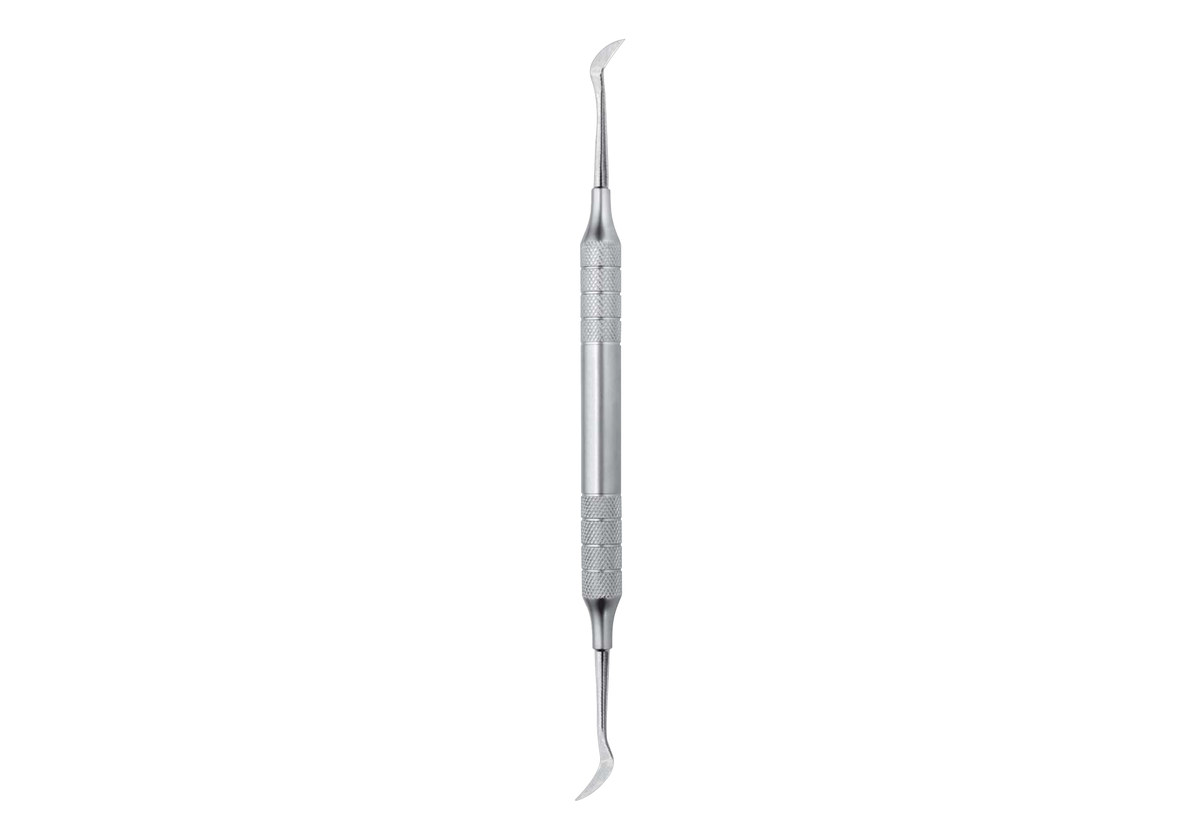
Crane-Kaplan Gingivectomy Knives
When gingival tissue must be reshaped, a scalpel handle is not always the most practical tool. The crane-kaplan gingivectomy knife puts a small periodontal blade on a hand instrument handle. Our supplier shows it on its gingivectomy page next to the Sanders and USC Towner knives. This page gives you three Crane-Kaplan options to choose from.
Fig. CK3 From the Catalogue
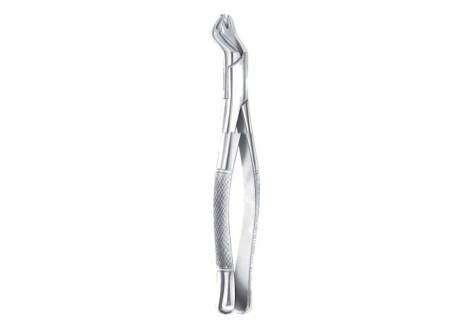
Fig. CK3 is the Crane-Kaplan knife exactly as the catalogue lists it. If your periodontal cassette calls for a CK3, this is the option to order. The catalogue gives the figure number and pattern name only, so its photo shows the blade outline best.
Pattern A and Pattern B
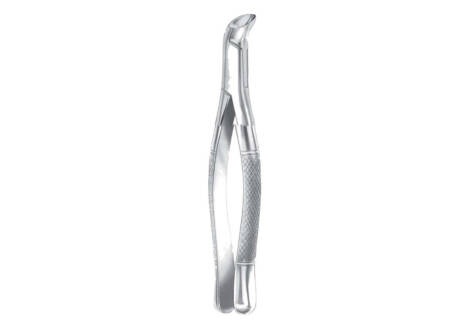
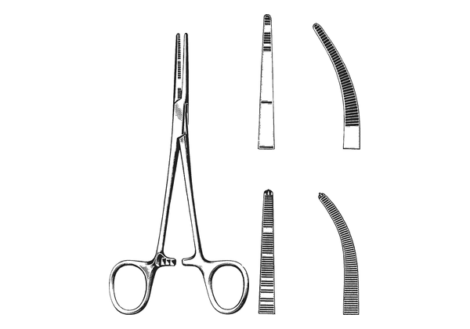
Pattern A and Pattern B are two more Crane-Kaplan knives that we carry under our own codes. They have no catalogue caption. So we describe them only by label and invite you to compare their photos with Fig. CK3. However, if your team already uses one of them, the label makes reordering easy.
Caring for a Gingivectomy Edge
- Sharpen before the edge feels dull, not after.
- Protect the blade from contact with other steel.
- Then check it under good light before surgery.
Because tissue tears under a dull edge, a fresh edge also gives cleaner margins. In addition, store each knife in a slotted cassette so the blade stays clear.
Every Crane-Kaplan knife is checked in the United States for blade outline and edge before it is packed. The knives reach you non-sterile; clean and autoclave each one before it is used on tissue. Also, Fig. CK3, Pattern A and Pattern B share one commitment: three years against manufacturing defects, CK3 figure or lettered pattern.
The steel meets ASTM F899. For interdental work, consider our Buck gingivectomy knives. Then explore the periodontal and diagnostic instrument category or our FAQs.
Intended for periodontists and surgeons trained in gingival surgery. See our sharp instrument care notes and delivery options before ordering.

Reviews
There are no reviews yet.