




Description
Apexo Root Elevators
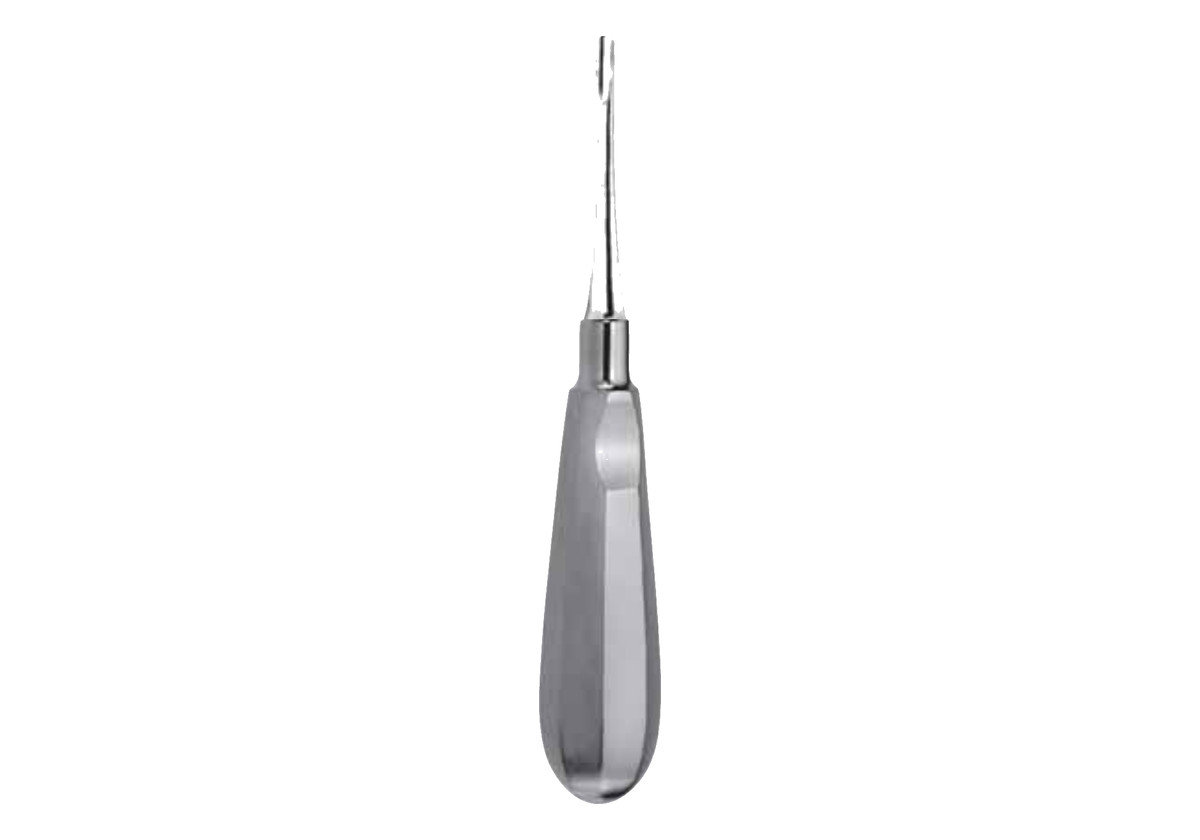
When a root snaps near the apex, you need a slim tip that can follow it down. Our apexo root elevators give you that reach in four forms. The range follows the classic 301-302-303 trio, plus a 301 with a serrated tip for extra grip.
A trio shaped for the apex
The apexo pattern is fine and narrow. So it slips into the space beside a small fragment where a broad blade cannot go. The 301 is the straight member, while the 302 and 303 form the angled pair, one for each side.
Picking your apexo figure
- Fig. 301: a straight tip for a root tip in line with the handle.
- Fig. 302: an angled tip, one hand of the left/right pair.
- Fig. 303: an angled tip, the mirror of the 302.
- Fig. 301 serrated: the straight form with ridges that bite into the root.
Each figure is sold singly, so you can fill one gap in a tray or take all four.
Why the ridged 301 helps
A smooth tip can slide off a wet, round fragment. The serrated 301 grips the root instead, so it moves with less slip. So many dentists keep both.
Wedge, turn, then lift
First, set a steady finger rest close to the site. Then wedge the tip into the ligament space and use small turns rather than force. A tooth that will stay must never serve as your fulcrum. Also, slow work spares the buccal bone where an implant may go. Since fine tips are small, save heavy roots for a broader blade.
Ordering your apexo figures
Our apexo set follows our own specification and is checked in the United States. The steel is a stainless type that meets ASTM F899. You get it non-sterile; a full clean and sterilize cycle readies it for each new case. Should a flaw from the making ever surface, invoke our firm promise of three years against manufacturing defects. Compare broader blades in our full range of root elevators, or see the four-figure apical list. Our FAQ handles order questions.
Sold to dental professionals only. Please look over our cleaning guide and dispatch details as well.

Reviews
There are no reviews yet.