




Description
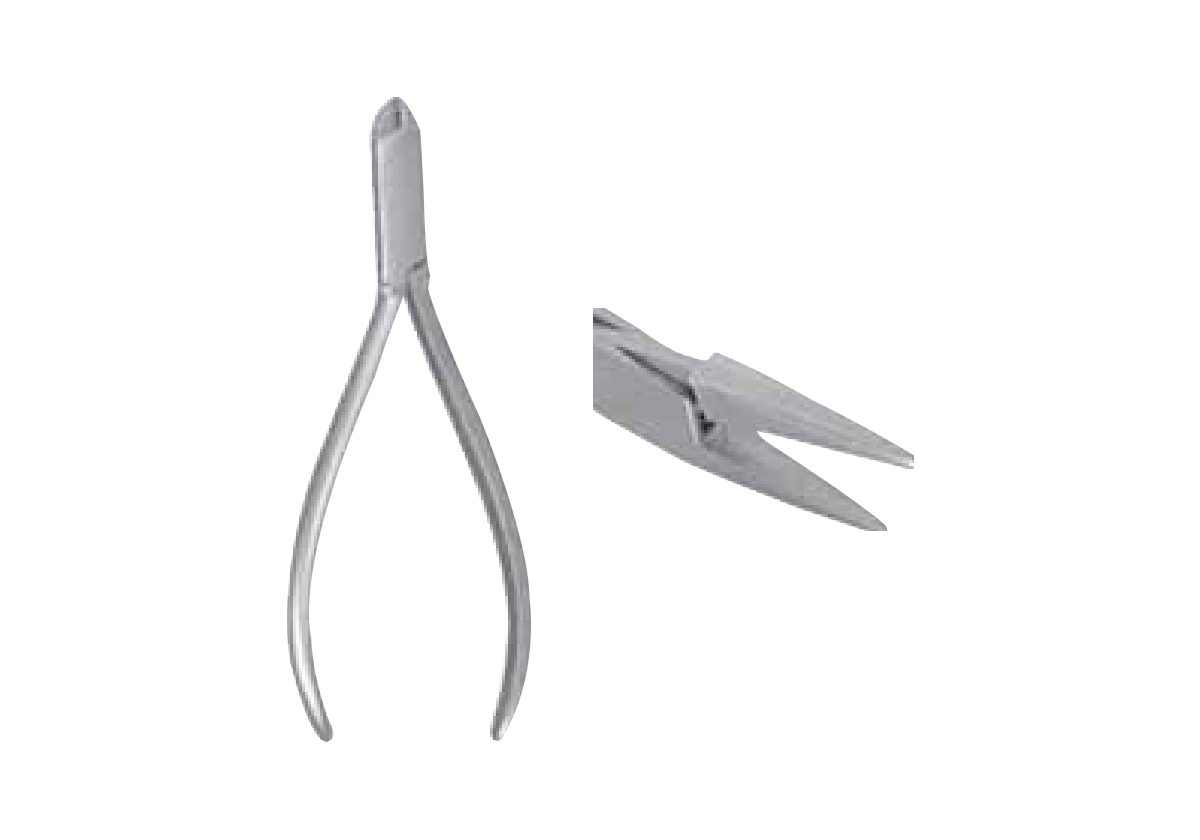
Wire Bending and Loop Forming Pliers
If you are setting up a new operatory, these wire bending pliers make a sound first pick. Use them on round wire sized .014” up to .028”. On rectangular wire, stop at .022” x .028”.
A Plain Pattern With No Name
Many loop pliers carry a person’s name, such as Young, Peeso or Schwarz. This one does not. Instead, it is the general pattern in our range. That makes it a useful base tool, and you can add named patterns later as your needs grow.
Building a Starter Tray
A new room needs a short list of pliers to start. First, pick a utility plier for placing and removing archwires. Next, add a loop plier like this one for bends and stops. Finally, choose a distal end cutter for the archwire ends. With those three, most routine visits are covered.
- General loop and bend work
- Round wire from .014” to .028”
- Edgewise wire up to .022” x .028”
- One item, no sizes to pick from
Treat the Numbers as a Limit
The wire figures mark the top of what the beaks can take. Thicker wire can spring the tips apart. Then the plier leaves marks or makes loose loops. So use a heavier plier when a job calls for heavier wire.
Hinge Care Between Cases
Open and close the plier after each wash. If the action feels gritty, clean the joint again before you oil it. A smooth hinge gives you fine control on small bends. It also cuts down on hand strain over a long clinic day.
Supply is simple. We build it to our spec, ship it non-sterile, and it stays reusable after each cleaning and sterilisation round.
These wire bending pliers sit under three years against manufacturing defects, set out in our warranty. The stainless steel fits the ASTM F899 standard. Next, look through our orthodontic tools in Atlanta for more patterns, such as the Young pattern loop plier, which shares this wire range. Common order queries are on our FAQ.
Supplied to professionals. Spend a minute on our sterilization advice and the shipping options too.

Reviews
There are no reviews yet.