




Description
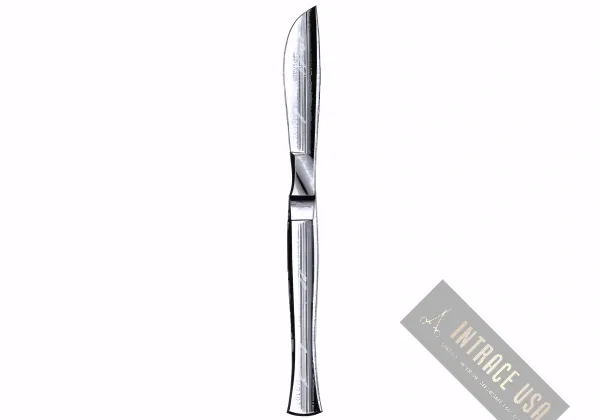
Virchow Autopsy Knife
The Virchow autopsy knife has a short, 3 in blade for controlled dissection at post mortem. It handles the finer cuts that a long brain or organ knife cannot make neatly.
A short blade for detail
Small vessels, ducts and tissue planes need short strokes. Therefore a 3 in blade gives you precision close to the hand. It complements the long Virchow brain knife rather than replacing it.
Who uses the Virchow autopsy knife
Pathologists, anatomical pathology technicians and anatomy teachers keep one in the post mortem set. Also, forensic teams use short knives like this for careful dissection.
Care
Wash and dry the blade after each session. Then store it with the edge covered.
Short knife, long knife
A long knife suits long sweeping cuts through large organs. By contrast, the 3 in Virchow autopsy knife works close to the hand, where precision matters more than reach. For example, tracing vessels or opening small ducts calls for a short blade. Therefore most pathologists keep both on the bench. In addition, the short blade suits teaching sessions, where students learn controlled cuts. It gives them confidence before they move to longer knives. Finally, keep it in a guarded slot so the edge stays protected between sessions and does not touch other steel. Also, check the edge before each session.
Virchow autopsy knife specification
- Blade: 3 in
- Use: detailed post mortem dissection
- Stainless steel, reusable
Ordering and warranty
Every knife we ship includes three years against manufacturing defects. Our team in Atlanta checks it before dispatch. For reprocessing, read our FAQs. In addition, ASTM F899 sets the steel requirements, and the longer brain knife sits among our autopsy knives.
Disclaimer
The image serves as reference. For professional use. The alloy carries nickel, so allergic reactions fall outside our liability. FDA information on materials explains more.



Reviews
There are no reviews yet.