




Description
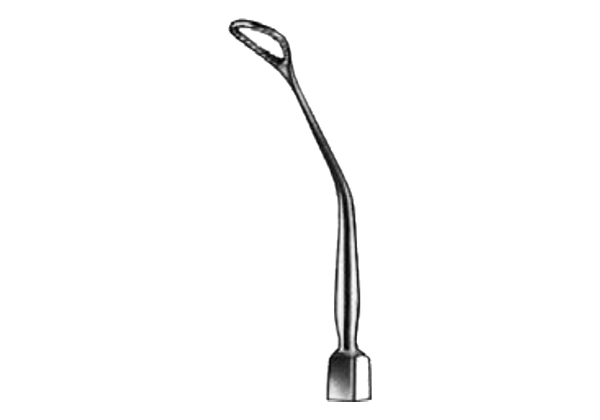
Troutman Lens Scoop
The Troutman lens scoop has a serrated working surface on a 13 cm handle. The fine ridges give the scoop a little bite, so the lens is less likely to slip. That helps when the nucleus is firm or the view is tight.
What the serrations do
Smooth scoops rely on shape alone to hold the lens. A serrated face adds grip. As a result, you can guide the lens with less push, and it stays seated as you draw it toward the wound.
The 13 cm Troutman handle
At 13 cm, the handle fills the hand without feeling heavy. Your fingers sit well back from the eye, which keeps the view open. Many surgeons find that this length gives steady control for slow, careful delivery.
When to choose a serrated scoop
A serrated face makes sense when:
- The nucleus is dense or slippery
- You need firm hold with light force
- The wound is small and the lens must pass slowly
Serrated Troutman beside smooth scoops
Most trays hold a smooth scoop for routine lenses. Then the serrated Troutman waits as the backup for hard cases. That pairing covers most needs without a crowded set.
Cleaning between the ridges
Serrations hold debris, so plain rinsing is not enough. Instead, scrub across the ridges with a soft brush, then rinse again. Ultrasonic cleaning, where your protocol allows it, also helps clear the grooves.
Troutman scoop: shipping and warranty
Troutman scoops leave us unsterile; scrub the ridges, sterilize, and the serrated Troutman is fit for repeat cataract lists. This ridged scoop uses stainless that meets the ASTM F899 standard. On this Troutman lens scoop, our warranty runs three years against manufacturing defects. For more choices, visit our ophthalmology instruments page, or compare the Lewis lens scoop in smooth or serrated form. The FAQ answers common questions.
Professional use only. Please read our care guidance and shipping policy before you order.


Reviews
There are no reviews yet.