




Description
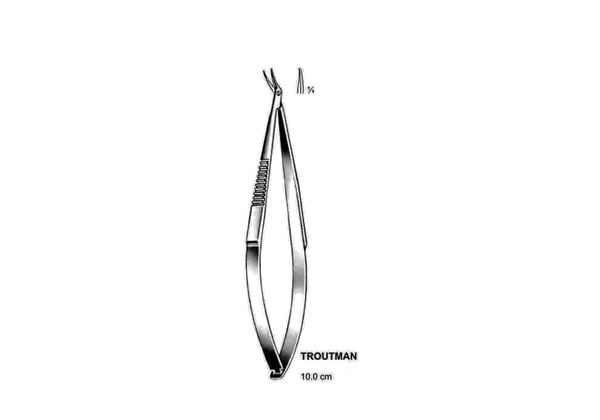
Troutman Corneal Scissors
Troutman corneal scissors are a corneal cutting pattern linked with corneal surgery. Like other corneal scissors, they cut best in one direction. Therefore both a left and a right version are available.
A step-by-step view of use
First, the surgeon makes an entry into the cornea. Next, the lower blade slides into the wound. Then a series of short cuts follows the planned curve. Finally, the second pair may finish the cut from the other side.
Left, right, or both
One orientation works for many surgeons. However, a full pair gives the most freedom. Think about how often you cut in both directions.
- One side: fine for a single, set technique.
- Both sides: best for full circles, such as in transplants.
- Spare pair: useful for busy corneal lists.
Where Troutman scissors fit
Surgeons often use corneal scissors in corneal transplant cases. They also help in other work where the cornea needs a clean cut. Because the edge of the cut affects healing, a smooth action matters.
Inspecting the blades
Before each use, close the blades slowly and watch the tips meet. They should touch without crossing. Also, look along the edges for nicks. If you find damage, take the pair out of use.
Packing them well
Corneal scissors have fine tips, so a guard helps. In addition, keep them apart from heavy tools in the tray. A labeled slot for each side also saves time in theatre.
Troutman ordering and support
Troutman pairs ship without sterilization, and they are reusable after your normal processing. Each Troutman pair gets three years against manufacturing defects as a firm guarantee. Troutman steel follows ASTM F899. If you want a Katzin pattern instead, see the Katzin section scissors. Meanwhile, our eye instrument collection and FAQ page for buyers may help.
Not for home use; Troutman scissors are for professionals only. Find sterilization tips and shipping costs and times here.


Reviews
There are no reviews yet.