




Description
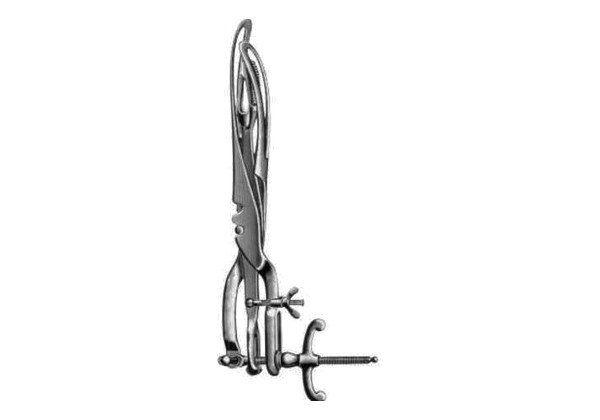
Tarnier Obstetrical (Midwifery) Forceps
Tarnier obstetrical forceps follow a historical axis-traction pattern about 40 cm long. A traction bar lets the operator pull along the pelvic axis.
Axis traction
Birth follows a curved path through the pelvis. So a straight pull on ordinary forceps sends force partly in the wrong direction. Therefore, the traction bar redirects the pull along the pelvic axis.
A historical pattern
Axis-traction forceps belong to an earlier era of obstetric practice. Today, clinicians rarely use them in routine delivery, since other methods have taken their place. Also, teaching and historical collections seek them as classic examples.
Size
At about 40 cm, this pattern counts among the longer obstetric designs. Meanwhile, the traction bar adds a separate part that attaches to the blades. Then storage needs a long tray or case that holds the blades and bar together.
For teaching
Tarnier obstetrical forceps help instructors explain the direction of pull during delivery. In addition, they show how later designs evolved. So they suit simulation labs and museum sets.
Reprocessing Tarnier obstetrical forceps
Take the set apart before cleaning so every surface gets attention. Next, clean the traction bar and its attachment points with a soft brush. Then dry all parts, reassemble them loosely and store them together.
Tarnier obstetrical forceps specifications
- Length: about 40-41 cm
- Axis-traction pattern
- With traction bar
- Historical design
Ordering from Intrace USA
A three-year warranty protects this instrument against manufacturing defects. Also, we check each piece in Atlanta before shipping. For care and cleaning questions, read our FAQs. Surgical stainless grades fall under ASTM F899. For another long pattern, see our Piper forceps. Also, see our whole OB/GYN instrument range.
For trained professionals only. Notes on images and nickel content sit in our care and sterilization guide; see shipping and delivery for dispatch details.



Reviews
There are no reviews yet.