




Description
Sinus Window Bone Tampers
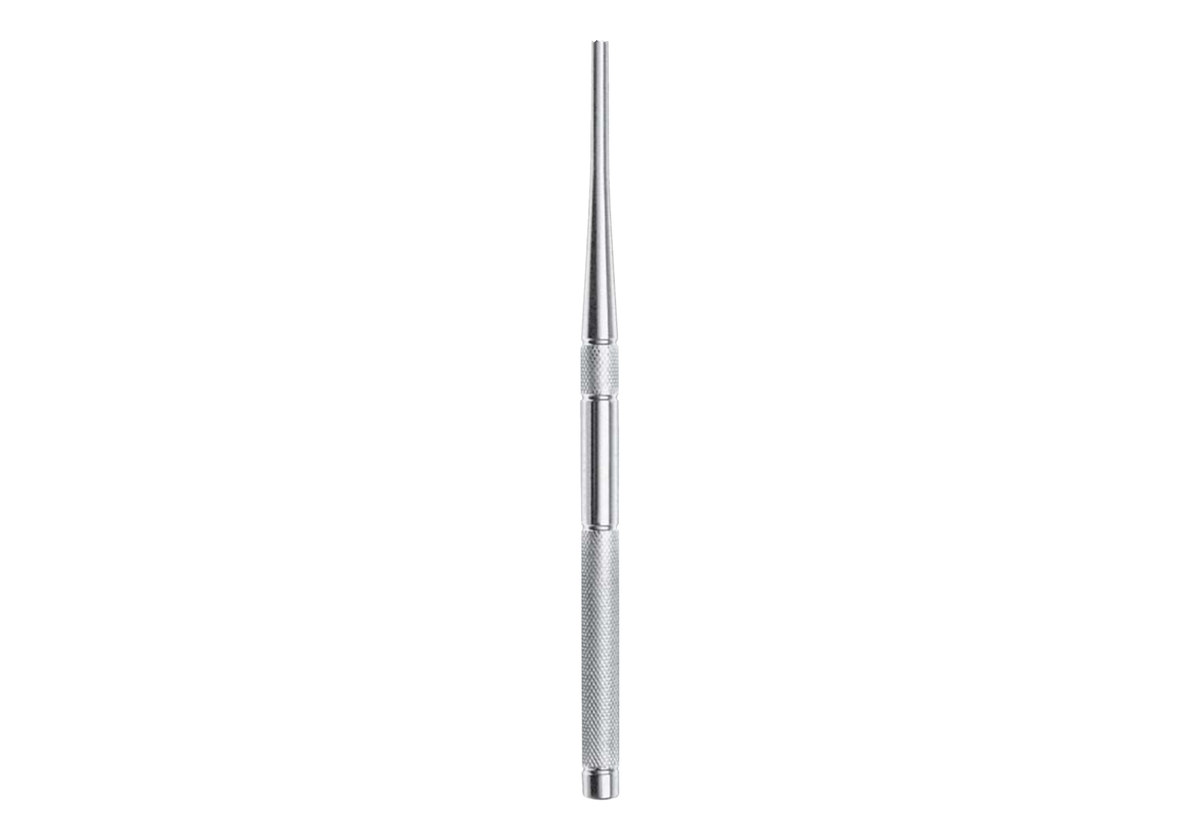
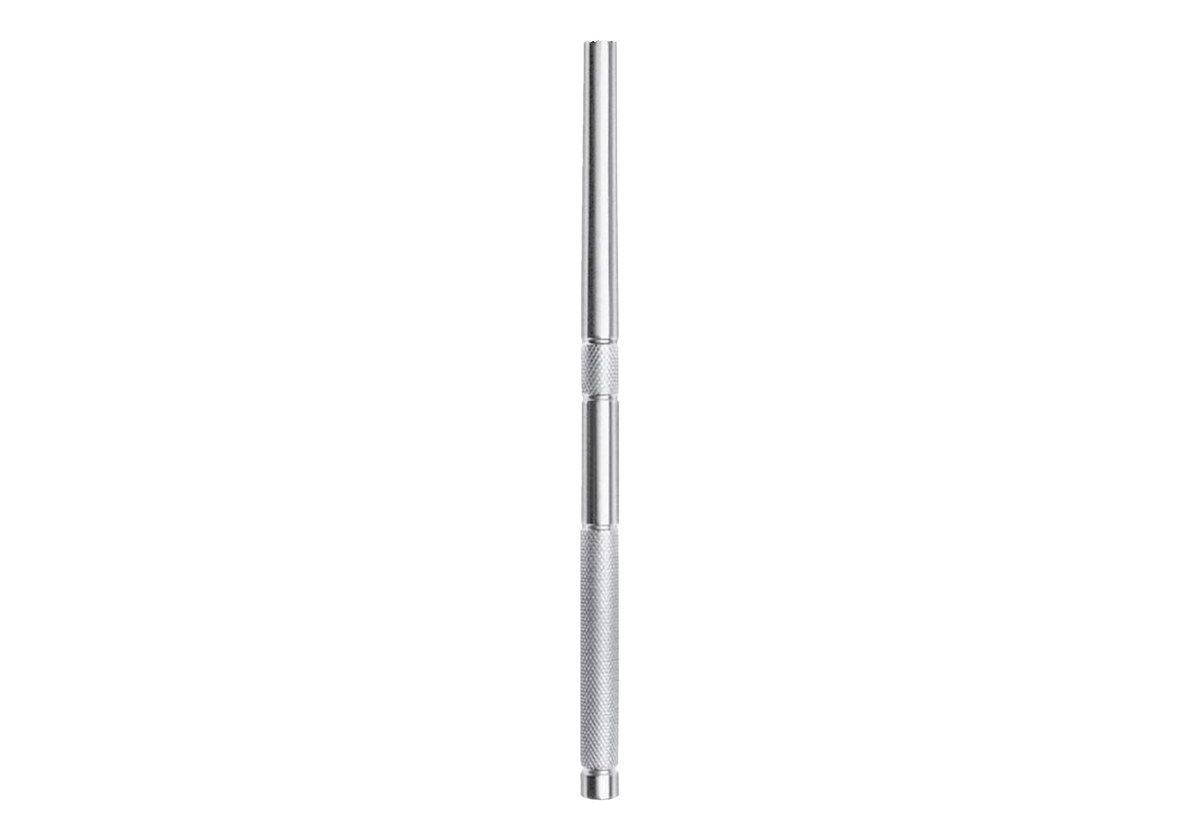
After the membrane is lifted, graft has to fill the new space beneath it evenly. A sinus window bone tamper does that job: it pushes particulate material through the lateral window and settles it against the walls. With a controlled tamper, the surgeon can place graft in layers rather than in one loose mass.
The 4 mm Tip
The 4 mm option is the finer of the two. It reaches into corners and along the floor of the sinus, where a broad tip cannot turn. It also suits a small window, because the tip passes through without scraping the bony edge. Many clinicians use it first, to seat graft at the far margins.
The 7 mm Tip
By contrast, the 7 mm option covers more surface with each press. Once the edges are filled, it condenses the central mass quickly and evens out the top layer under the window. So the two sizes work as a pair: small for detail, large for bulk.
Using a Tamper With Care Near the Membrane
A tamper should move graft, not stretch the lifted membrane. For that reason, gentle pressure and short strokes are the norm. Also, adding graft in small portions makes it easier to judge how firmly the space is filling. Technique remains a clinical decision for the treating surgeon.
Steel, Inspection and Warranty
Both sizes are surgical stainless steel. A US-based check of each tip face happens before dispatch. Tampers ship unsterilized, which means a full wash and autoclave cycle must come before any graft contact. Choose 4 mm or 7 mm and either one carries our pledge of three years against manufacturing defects on tip and handle alike.
The ASTM F899 document sets out the steel grade. Explore our implant instrument catalogue, lift the membrane first with sinus lift curettes, and find shipping and returns answers in our FAQs.
For licensed, trained surgical professionals. Please review our reprocessing guidance and shipping policy too.

Reviews
There are no reviews yet.