




Description
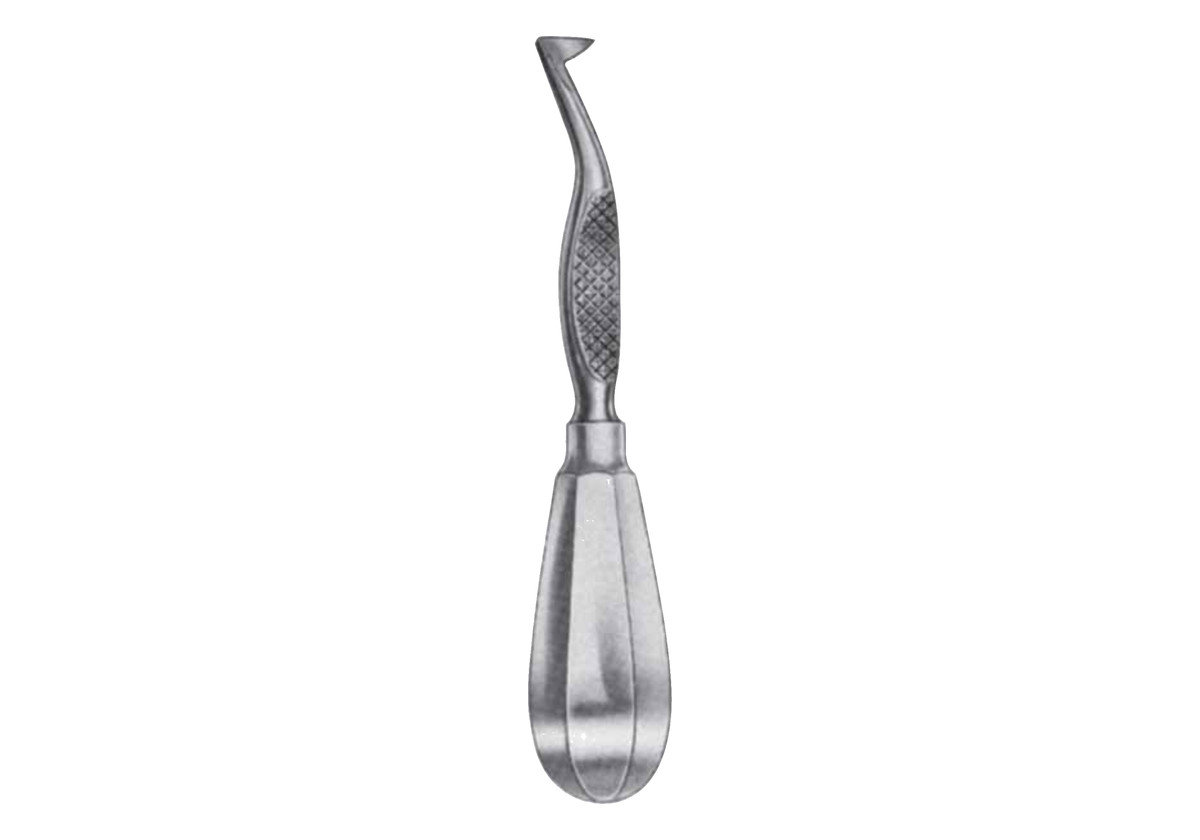
Schlemmer Root Elevators
Schlemmer root elevators come in three patterns, and #1 is the finest of them. That small range makes the choice easy. You pick a fine figure for slim roots and a broader one when there is more room.
Fine versus broad Schlemmer figures
The options are #1, #2 and #3. Since #1 is the finest, it often suits narrow roots and tight spaces. A broader figure, by contrast, can spread force over a wider area on a larger root. We keep the shape notes short on purpose. So hold each one and see how it sits in your hand.
Thinking in general terms
- Slim roots and small fragments tend to call for a fine blade.
- Larger, firmer roots often need a broader figure.
- Tight access favors the finest option you can control.
These are rules of thumb, not fixed rules. Your own cases will refine them.
Gentle force with a fine tip
A fine tip can bend or chip if you force it. Therefore, let it wedge into the PDL gap, then rotate it a little at a time. Keep a solid finger rest at all times. Do not lean on the adjacent tooth unless it is also part of the plan. If an implant may follow, guard the buccal wall.
Keeping the edge true
Check the working end after every use. Even a slight curl at the tip can make it skid off the root. In that case, a light pass on a fine stone often helps. However, if the edge will not come back, a fresh figure is the safer choice.
Schlemmer care and support
We source this family made to our specification, then inspect each figure in the United States. Its metal is a stainless steel listed under ASTM F899. Delivery is non-sterile, and it stays in use after each wash and sterilizer run. A flaw from the making process? Our three years against manufacturing defects terms let us repair or swap it. Also see the wider dental elevator category, the Crane pick root elevators, and our help page.
Professional use only. For steps and timing, visit sterilization advice and shipping info.

Reviews
There are no reviews yet.