





Description
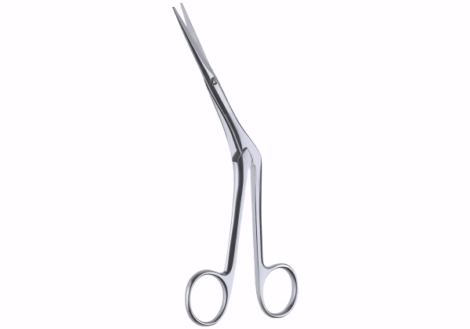
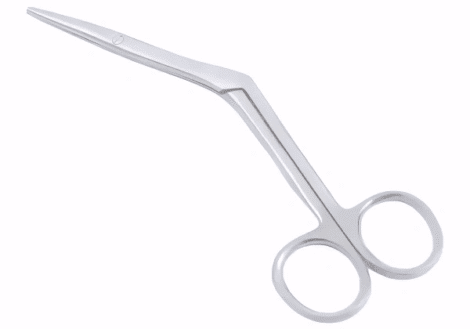
Prince Tonsil & Nasal Scissors
Prince nasal scissors are long ENT scissors that serve both the nose and the throat. Also, surgeons rely on them for cutting soft tissue and cartilage in narrow operating spaces.
A dual-purpose instrument
We list the Prince for both tonsil and nasal lists. As a result, it can move between septal, turbinate and tonsil cases. That helps smaller units keep their trays lean.
18 cm reach
At 18 cm, the Prince pattern reaches deep into the nasal cavity and the oropharynx. The rings stay well outside, which keeps the hand clear of the light. That matters when a headlight or endoscope shares the space.
Common tasks
Surgeons trim septal cartilage, mucosal flaps and turbinate tissue in the nose. Meanwhile, in the throat, they separate tissue during tonsil work. For each task, a clean, controlled cut is the goal.
Selecting a pair
First, think about whether you need one pair for both regions or separate pairs for each tray. If you run both lists on the same day, two pairs make sense. Ask us for advice if your set has gaps.
Caring for your Prince nasal scissors
Remove mucus and blood promptly after each case, since dried residue is harder to clear. Next, brush the pivot and inner blades gently. Dry and sterilize the scissors, then store them with the blades closed.
Prince nasal scissors specifications
- Prince pattern, sold for tonsil and nasal use
- Length of 18 cm
- Stainless steel
Ordering the Prince
Our three-year warranty follows the Prince pair, and it covers flawed workmanship. Before dispatch, someone at our Atlanta address checks each pair by hand. Our FAQ page answers payment and delivery questions. We rely on ASTM F899 for instrument steel. For a 15 cm option, see the Schoemaker tonsil and nasal scissors. Also browse the ENT collection.
Prince scissors are sold to professionals. The care page discusses how we photograph dual-use scissors and why nickel is in stainless steel; our shipping details cover dispatch.

Reviews
There are no reviews yet.