




Description
Plester Retractor
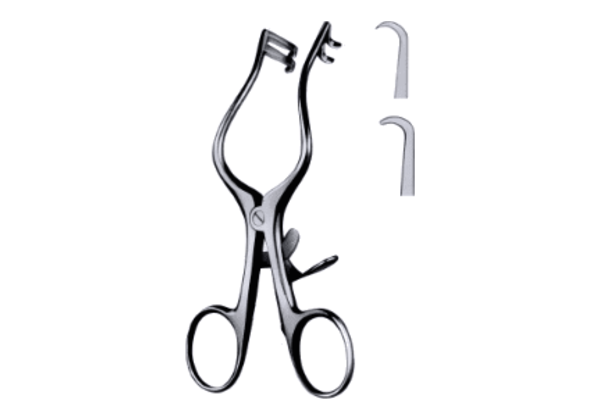
The Plester retractor holds itself open during ear surgery. Surgeons use it to hold a small incision open so they can work under the microscope.
A small, light pattern
This retractor carries two teeth on each arm, listed as 2×2. Fewer teeth suit a narrow wound. So the Plester pattern fits well where space is limited.
Six versions
First, pick Sharp or Blunt prongs. Next, choose a Straight, Right or Left pattern. Together these make six options, so you can match both the grip and the direction to the ear you operate on.
Straight, right or left
The straight pattern suits a central approach. Meanwhile, the right and left patterns angle away to keep the retractor out of the line of sight on each side. Teams that work on both ears often keep a matching pair.
Choosing prongs
Sharp prongs hold firm tissue edges without slipping. Blunt prongs press more softly, which some surgeons prefer for thin skin. If you are unsure, start with one of each.
Caring for your Plester retractor
Rinse the retractor as soon as surgery ends, with the arms open. Also brush between the teeth to lift any dried tissue. Then dry it completely and sterilize it with the other ear instruments.
Plester retractor specifications
- Self-retaining retractor, 2×2 teeth
- Prongs: Sharp or Blunt
- Pattern: Straight, Right or Left
- Six options; stainless steel
Ordering a Plester
The Plester carries a three-year warranty, and it protects you if workmanship proves faulty. Our Atlanta team checks the chosen pattern and prongs by hand before shipping. The FAQ page answers most buying questions. Surgical steel for this retractor follows ASTM F899. For a retractor with three teeth per side, try our Weitlaner-Wullstein retractor. Then view the whole ENT list.
Plester models are for professional use only. See our care guide for notes on angled retractor photos and why stainless steel holds nickel. Our shipping details list delivery times.
Reviews
There are no reviews yet.