




Description
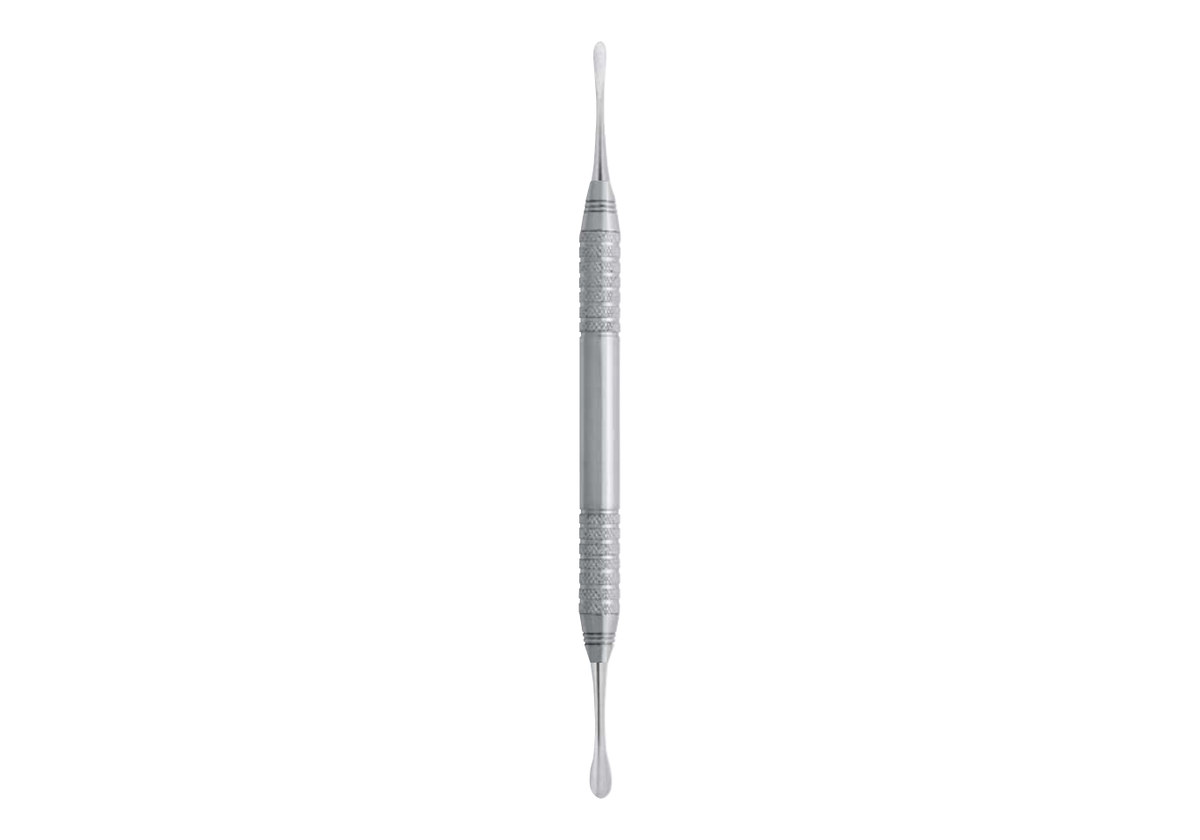
Periosteals 149
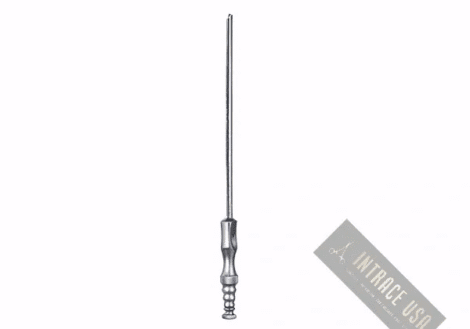
Before a surgical extraction, the gingiva and periosteum must come away from bone in one intact layer. The periosteal elevator 149 is a single-pattern hand instrument for that step. Our supplier lists it in its oral surgery set, so it suits general extraction and minor surgery trays.
Starting the Flap at the Papilla
Most flaps begin where the incision meets a papilla. First, place the working end under the tissue edge, with the curve against bone. Next, push it along the bone in short strokes. Then widen the release toward the vestibule. Because the edge stays on bone, the flap lifts as a full-thickness layer instead of tearing.
One Pattern, Number 149
This listing carries only the 149 pattern, with no size or tip choices. So ordering is simple. However, the number identifies the shape, not a length; we do not publish dimensions for it. For that reason, compare the product photos with your current elevator if handle feel matters.
Keeping the Edge Useful
A periosteal elevator works best when its rim is smooth and thin. Therefore, avoid using it as a lever against teeth, which can nick the edge. Also, inspect the tip under good light after each cycle. When it looks rolled, set it aside for sharpening or replacement.
Inspection, Sterility and Warranty
Each 149 is checked by hand in our United States facility before shipping. It is delivered non-sterile, which means it needs washing and a steam cycle before it touches a patient. Our coverage for this elevator lasts three years against manufacturing defects in the steel or finish.
The metal meets ASTM F899. To hold the reflected flap away, pair this elevator with our Williger retractors. Next, explore our maxillofacial surgery instruments or review the FAQs on pattern numbers.
Supplied to trained oral surgery professionals. Steam cycle notes appear in care and sterilization; parcel tracking help sits in shipping and delivery.
Reviews
There are no reviews yet.