




Description
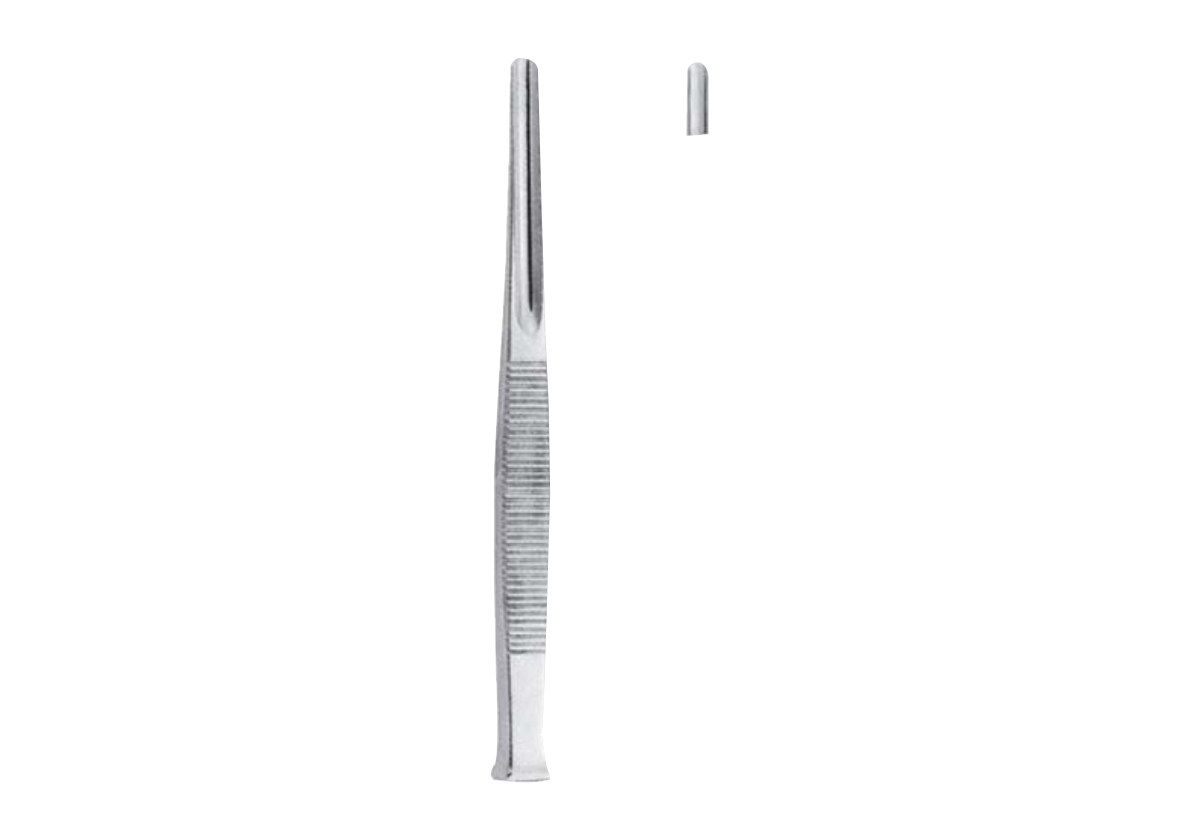
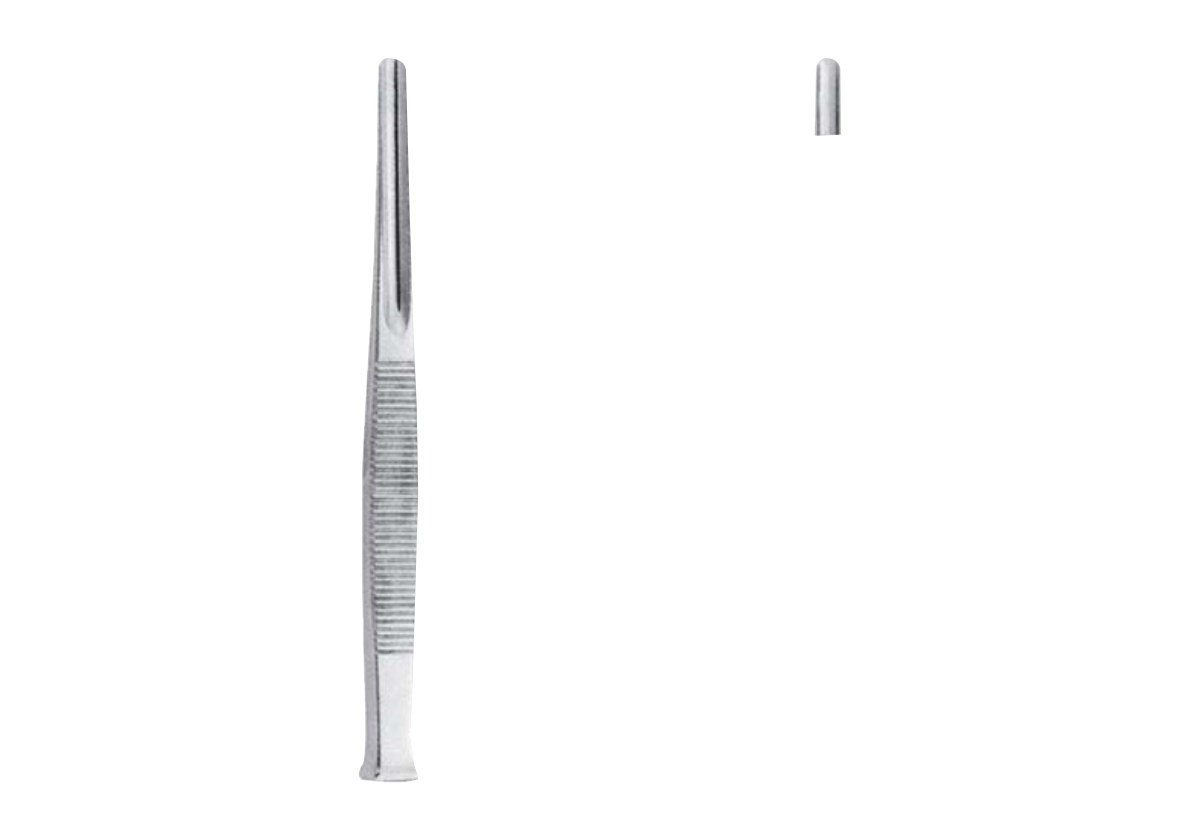
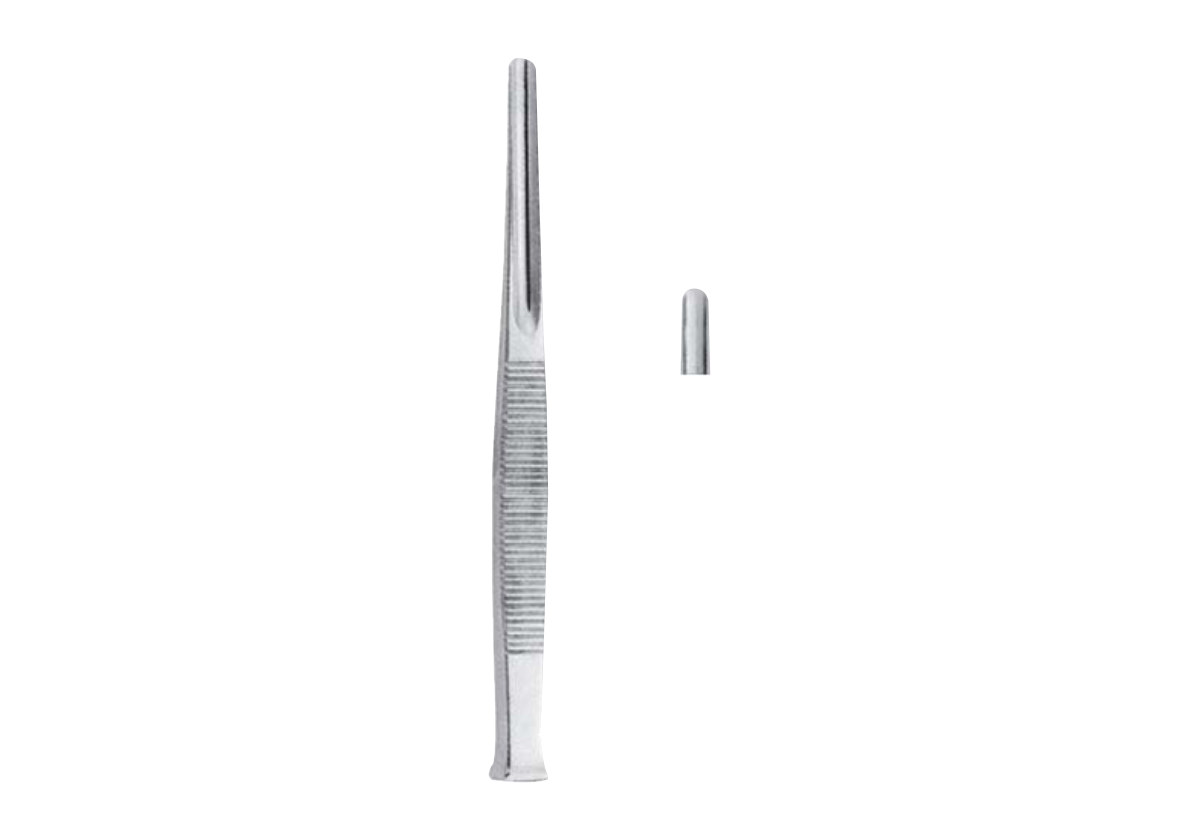
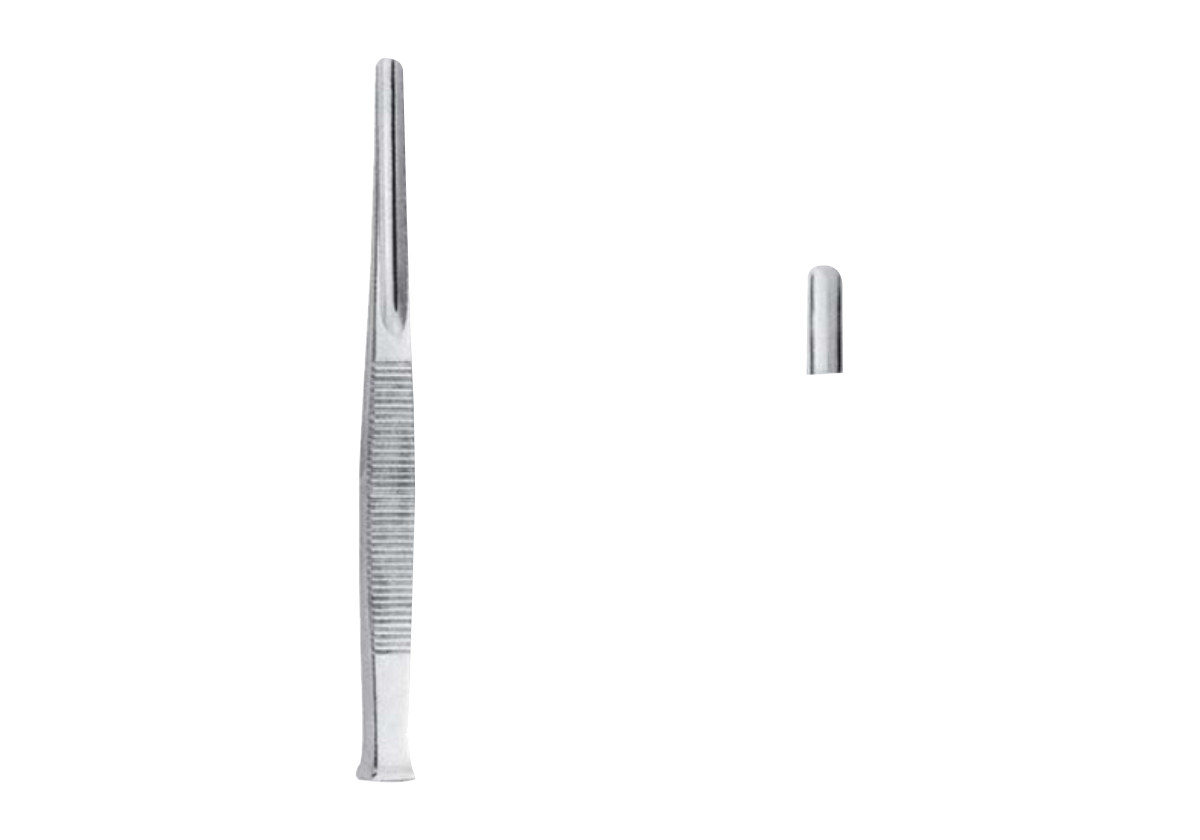
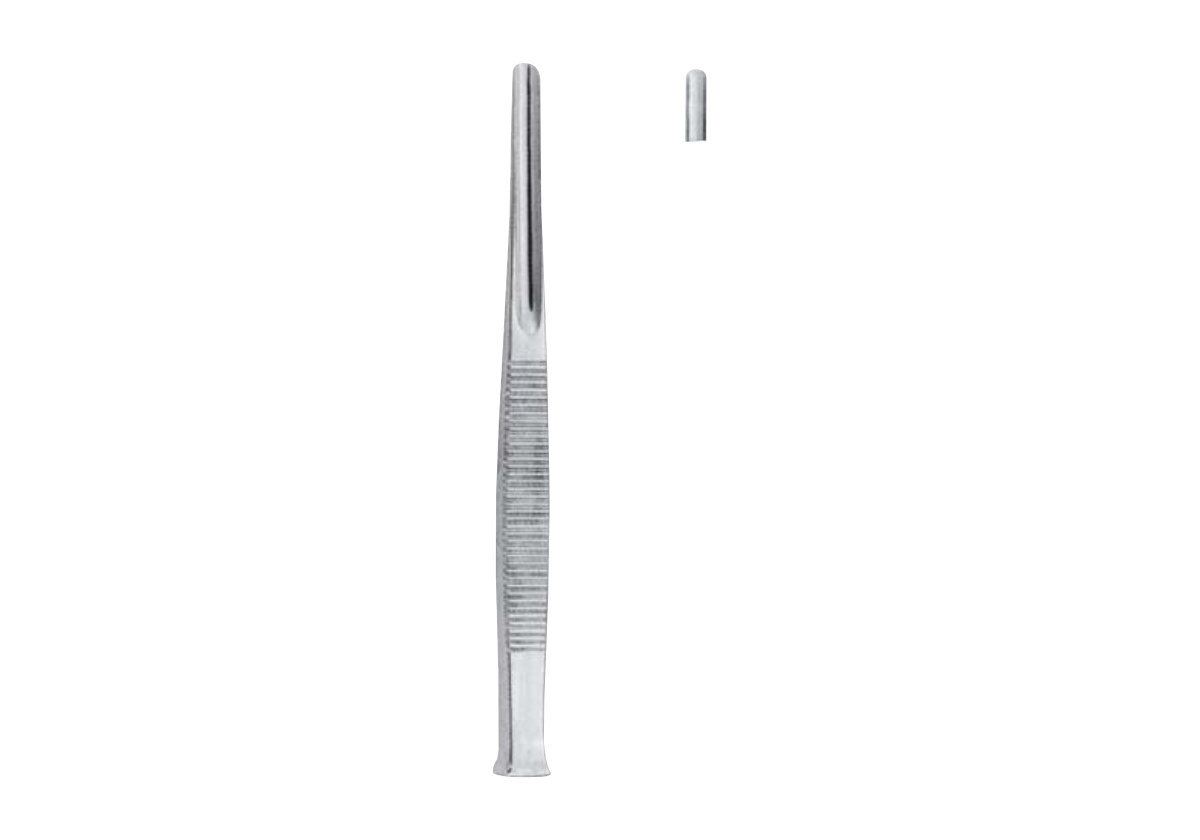
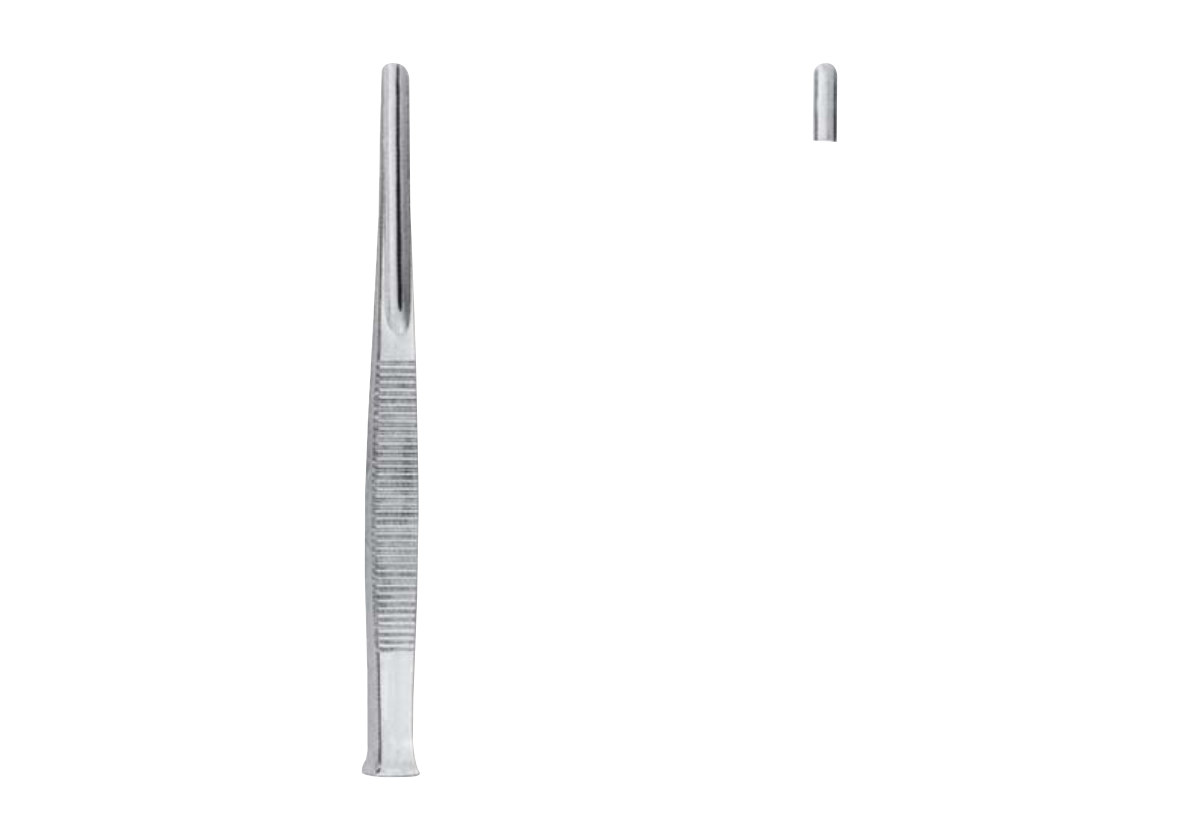
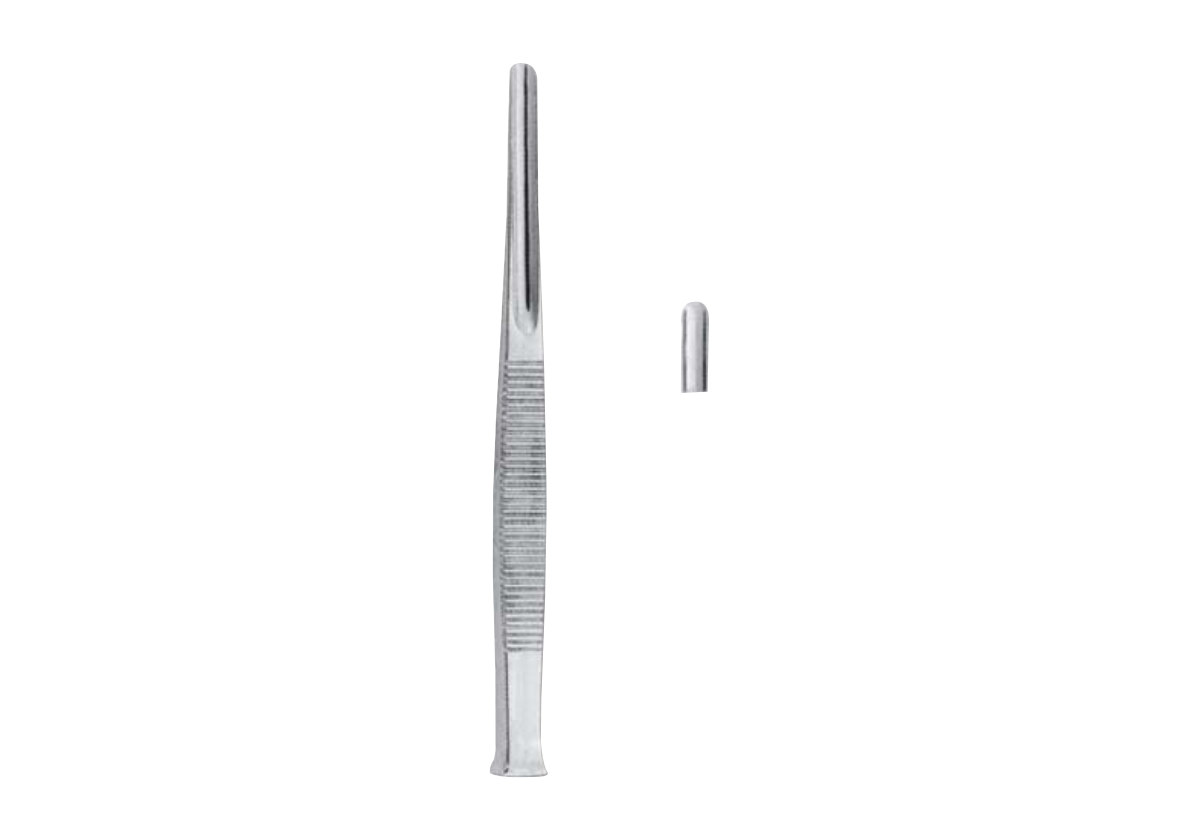
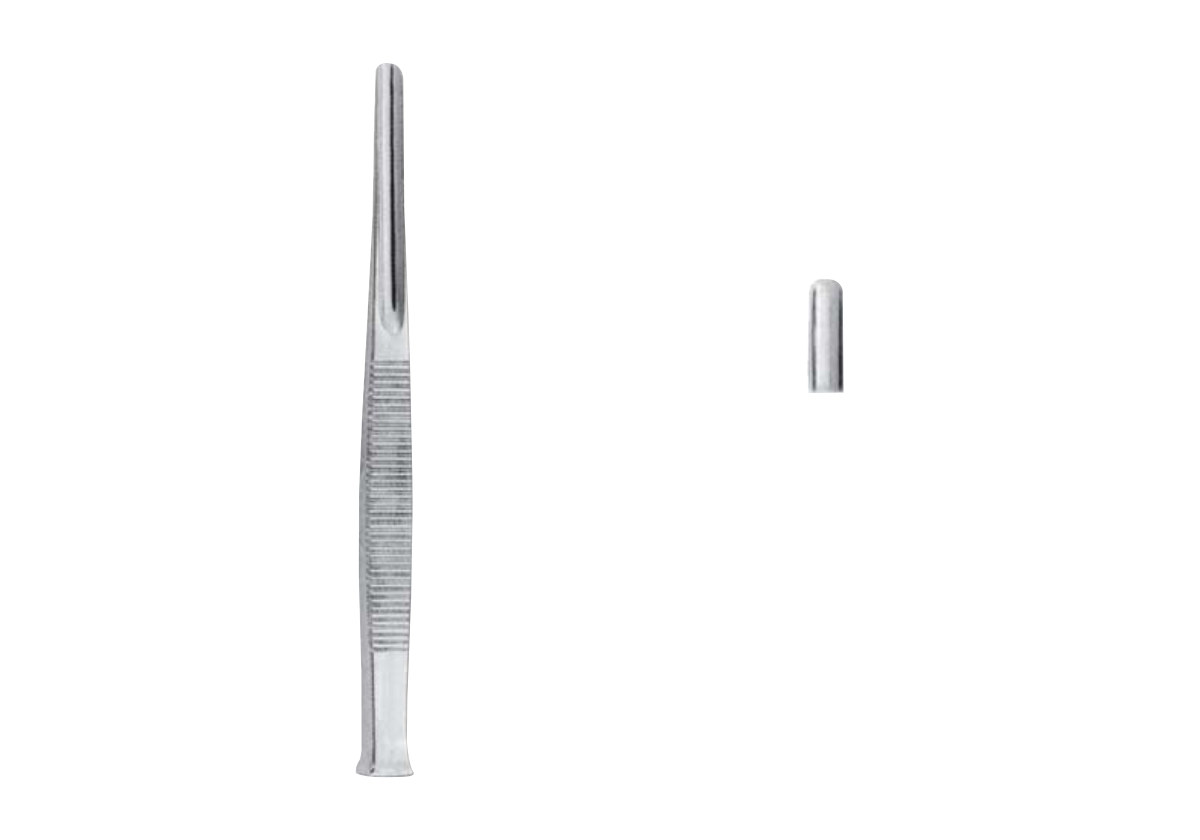
Partsch Bone Gouge
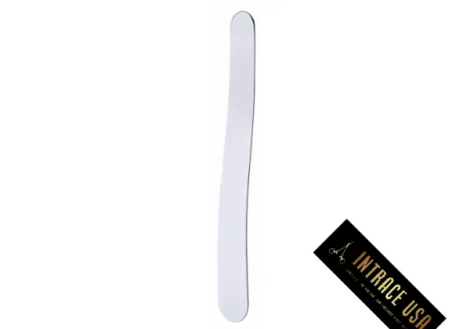
Where a chisel cuts straight, a gouge carves a rounded trough. On the Partsch bone gouge, the working end is curved in cross section, so bone lifts out in curls. Surgeons use it to trough around a buried root, smooth a ridge or harvest small cortical shavings. It is offered in 13.5 cm and 17 cm lengths, each in four widths.
How the Eight Options Break Down
Every option name lists length first, then blade width, as in “17cm / 5mm”. The 13.5cm versions keep the hand close for front-of-mouth work. Meanwhile, the 17cm versions reach the posterior mandible and maxilla more easily. As for width, 3mm and 4mm blades cut narrow channels, while 5mm and 6mm blades move more bone per pass. Therefore, pick length by site and width by how much bone you plan to take.
Hand Push or Light Mallet
A gouge can work two ways. For soft cancellous bone, hand pressure is often enough. When the cortex is dense, light mallet taps drive the edge forward. Either way, keep the hollow side facing the bone you remove. Also, stop and clear the trough often, since packed chips hide your depth.
Collecting Autogenous Shavings
The concave blade naturally gathers bone as it cuts. So many surgeons tip each curl into a sterile dish for later grafting. In addition, keeping the field wet with saline helps the shavings slide free of the blade.
Arrival, Checks and Cover
A Partsch bone gouge is shipped non-sterile, so clean it and steam it before use. Our United States team looks along each curved edge for nicks before boxing. Also, all eight sizes come with three years against manufacturing defects, though edges dulled by use are not covered.
The steel grade conforms to ASTM F899. For straight cuts, pair it with our Partsch bone chisel. You can also browse the maxillofacial surgery instruments or review our FAQs about gouge widths.
Provided for trained surgical teams only. Curved-edge protection tips: care and sterilization. Shipping speed and costs: shipping and delivery.

Reviews
There are no reviews yet.