




Description
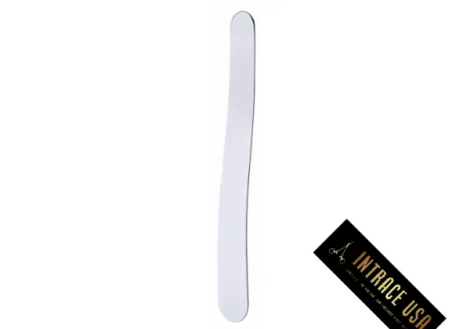
Orthodontic Scalers
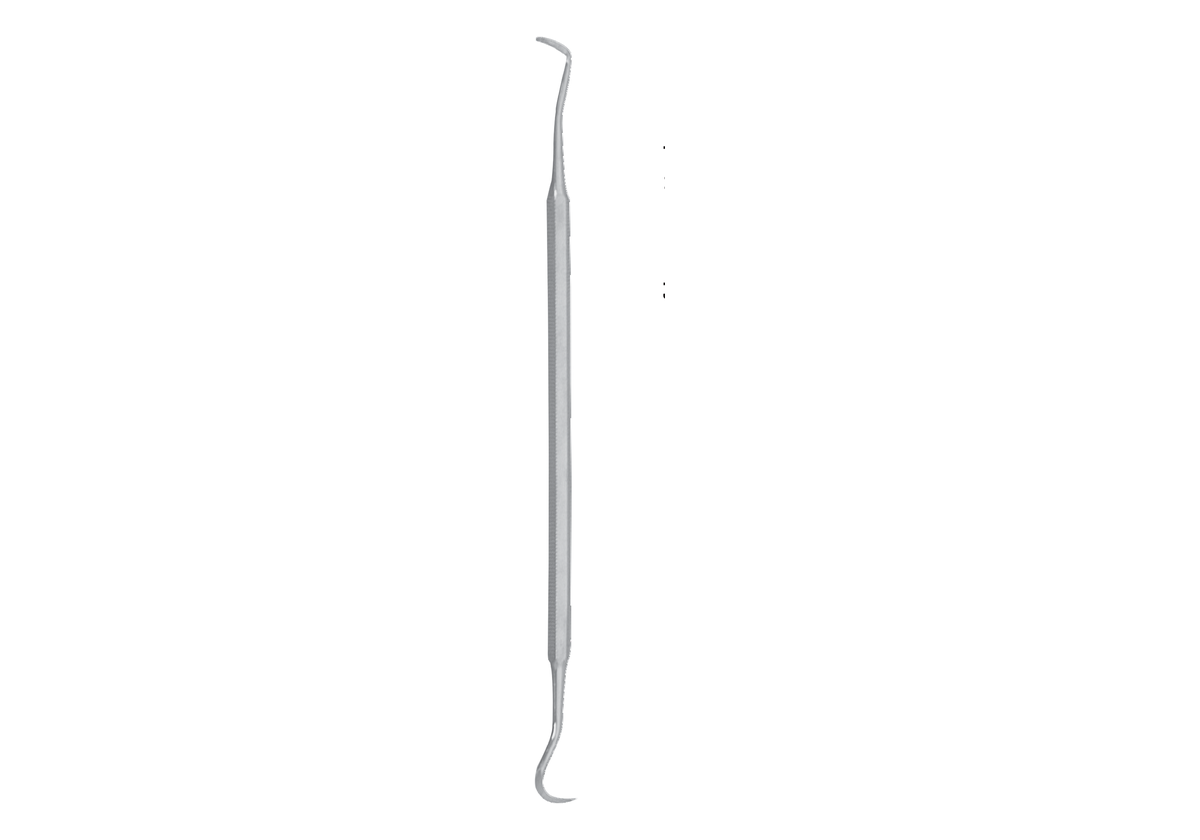
Brackets and bands trap cement, adhesive and plaque. These orthodontic scalers help you clear them at the chair. Four forms cover light detail work and heavier cleanup.
Four Forms at a Glance
- Heavy: a heavier scaler for firm cleanup.
- Single Ended: one working end.
- Single Ended, Light: a lighter scaler with one end.
- Double Ended: a working end at each side.
Matching Form to Task
For fine work near the gum, the Light form gives more feel. In contrast, the Heavy form handles stubborn cement. Meanwhile, the Double Ended form saves a tool swap. We sell each form singly, so you can build the mix you want.
After Banding
Seating a band pushes surplus cement past its rim. Run the scaler along that margin to lift the excess. Do this before the cement fully sets, because soft cement comes away more easily.
At Debond
After you remove brackets, adhesive often stays on the enamel. A scaler lifts the bulk of it. Then you can finish with a bur or polisher as your protocol directs.
Keeping the Edge
A dull scaler drags rather than cuts. Therefore, check the edge under light after each use. Also clean it soon after the visit, since dried debris is harder to remove.
Scaler Supply and Warranty
Our team in the United States checks every scaler against our spec. Each one is stainless steel that agrees with ASTM F899. A factory fault on any scaler falls within three years against manufacturing defects. Scalers arrive non-sterile; give them a full clean and sterilize cycle, and they serve again and again. For adhesive removal at debond, see our adhesive removing pliers. Explore the orthodontic instrument line or the help center.
Sold for professional use. Our sterilization guide and shipping guide explain more.
Reviews
There are no reviews yet.