





Description
Nerve Instruments
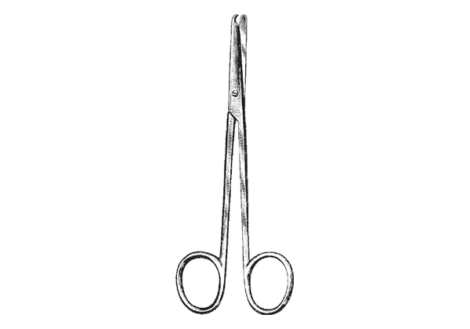
The fine nerve instrument has a very slender tip for handling small nerve structures. Three tip sizes let the user match the tool to each fibre.
Three tip sizes
Tips come in 0.25 mm, 0.40 mm and 0.60 mm. Besides, the thinnest suits the smallest fibres. Meanwhile, the 0.60 mm tip is sturdier for firmer tissue.
Why a fine nerve instrument
Small nerves are easy to bruise. A thin, smooth tip touches only a tiny area. Consequently, the user needs very little force.
Typical tasks
Users lift nerve branches away from scar tissue. In addition, the tip helps separate fibres during microsurgical repair. It also suits fine dissection in teaching labs.
Picking a size
Start with the finest tip that will hold the structure. If the tip flexes too much, step up one size. Many users keep all three for that reason.
Working under magnification
Rest the hand on a firm surface. Then move the tip with the fingers, not the arm. Also, keep the tip in view through the microscope at all times.
Tray placement
Keep these instruments apart from heavy tools. Otherwise, a fine tip can bend under the weight of others. Moreover, a small rack or mat protects them well.
Fine nerve instrument sizes
- 0.25 mm tip
- 0.40 mm tip
- 0.60 mm tip
Protecting the tip
Clean the tip with a soft swab only. Rinse, dry and fit a tip guard. In addition, check it under magnification before reuse.
Why we look after each instrument
Whichever tip size you pick, it comes with three years against manufacturing defects. That covers the finest 0.25 mm tip too. Before it leaves us, our Atlanta crew studies this instrument unhurriedly. For a matching piece, browse our Lange probes. Further items wait in our general surgery range. For background on steels for surgery, open ASTM F899. The FAQ page answers payment and delivery.
Licensed buyers only. Read our delivery page for delivery windows. Our care guidance mentions photo differences along with nickel in surgical steel.


Reviews
There are no reviews yet.