





Description
Lange Probes
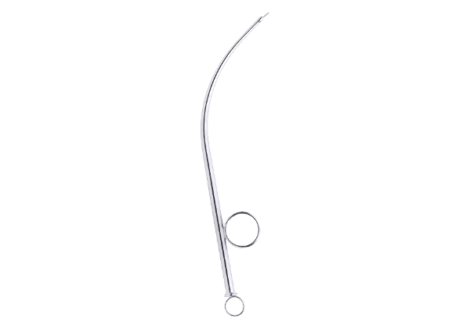
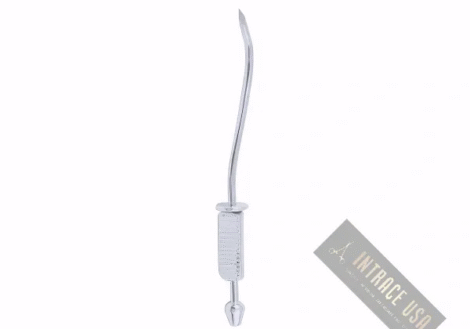
The Lange probe explores wounds, sinus tracts and fistulas. Its smooth blunt tip slides along a passage, which helps the surgeon find depth and direction without cutting.
A blunt tip
The rounded end follows the existing channel. As a result, it is less likely to create a false passage. Meanwhile, the slim shaft passes through small openings.
What the Lange probe tells you
It shows how deep a wound runs. It also shows where a tract leads. Therefore, the surgeon can plan the next step with more confidence.
Typical uses
General surgeons use it to explore abscess cavities and fistulas. For example, it can trace a pilonidal tract before excision. It also helps check wound depth during dressing changes.
Gentle technique
Hold the probe lightly between finger and thumb. Then let it find its own way along the tract. If you meet resistance, stop and change the angle rather than pushing.
Pairing on the tray
Probes often sit beside grooved directors and fine scissors. Together they let the surgeon trace and then open a tract. A small kit like this suits most minor procedure rooms.
Lange probe details
- Smooth blunt tip
- Slim shaft
- Reusable steel
Keeping it straight
Clean along the full shaft and dry it. Store the probe flat so it stays straight. Also, inspect the tip for roughness before reuse.
Delivery essentials
Our Atlanta team examines the probe one at a time before the courier comes. You can rely on three years against manufacturing defects for each Lange probe we ship. For details on surgical stainless steel, visit ASTM F899. Our order FAQ covers the ordering steps. Matching pieces wait in our general surgical department. For a matching piece, check the probe range.
For trained hands only. Product images may differ slightly. Also, the metal contains nickel; check our care page for details. Delivery options live on the shipping page.


Reviews
There are no reviews yet.