




Description
Probes
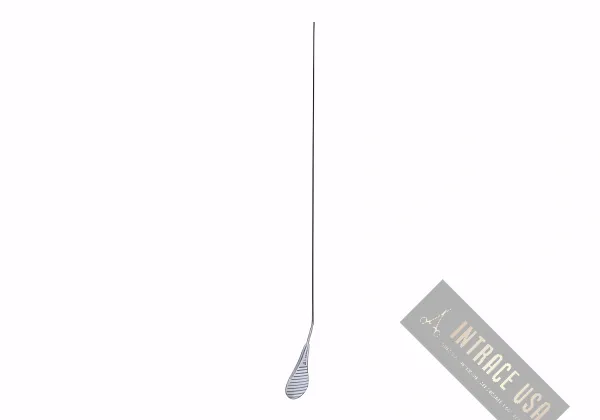
The surgical probe explores wounds, sinus tracts and small cavities. We list many figures, so you can choose the length, thickness and tip that suit the job.
Many figures
The range covers several catalogue figures. Some are plain and blunt. Meanwhile, others carry an eye for threading a seton or a groove for guiding a blade.
Why a surgical probe matters
A probe shows depth and direction before any cut. As a result, the surgeon avoids opening tissue without a guide. It also helps confirm that treatment reached the end of the tract.
Typical uses
General surgery, proctology and wound care all use probes. For example, an eyed probe can pass a seton through an anal fistula. Also, a plain probe can check a wound for depth.
Choosing a surgical probe figure
Pick a thin probe for narrow tracts. By contrast, a thicker one gives more feel in firm tissue. If you need help matching a figure, our team can advise.
Technique
Hold the probe lightly and let it follow the passage. Then note the depth against the shaft. Also, never force it, since that can make a false track.
Keeping a selection
Most minor procedure trays hold two or three figures. That way, the team can switch quickly. In addition, spares cover reprocessing time.
Surgical probe options
- Many catalogue figures
- Plain, eyed and grooved styles
- Blunt tips
Care
Clean each probe along its full length. Flush any eye or groove. Then dry and store probes flat.
The checks for the probe
Before shipment, a staff member in Atlanta looks over this probe by eye. Every figure in this probe range comes with three years against manufacturing defects at no charge. Take a look at the Lange pattern. To read about surgical stainless steel, look up ASTM F899. The buyer FAQ goes over payment and delivery. Search the full general surgery line for more.
For surgical teams only. Our care guidance covers image variation together with the alloy’s nickel. Return rules go by our returns policy.


Reviews
There are no reviews yet.