




Description
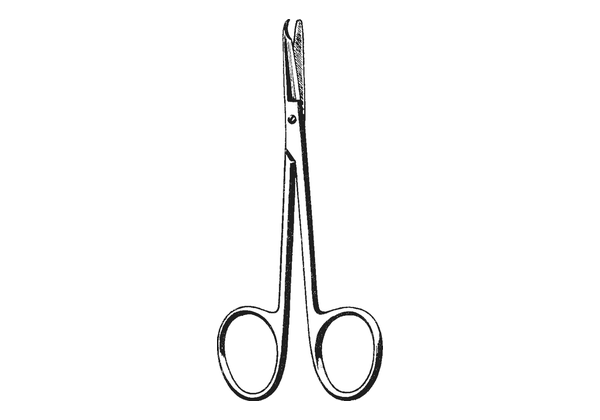
Ligature Scissors
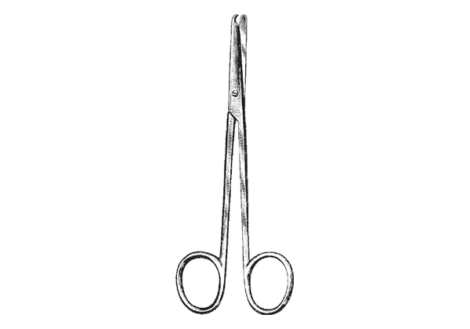
These ligature scissors cut ligatures and sutures in theatre and on the ward. Three lengths and three blade styles let each department choose what suits its work.
Lengths and blades
We offer 10, 13 and 15 cm, each with angled, saw edge or standard blades. As a result, you can match the scissors to both the depth and the type of thread.
Blade styles on the ligature scissors
Angled blades keep the hand above the wound. Saw edge blades grip slippery monofilament. Meanwhile, standard blades give a clean cut on braided thread.
Typical uses
Assistants cut ligature ends in theatre. In addition, nurses remove skin sutures on wards and in clinics.
Technique
Place the thread deep in the blades and close smoothly. For suture removal, lift the knot first so the cut sits close to the skin.
Choosing a length
Short pairs suit pockets and dressing packs. By contrast, 15 cm suits theatre work at depth.
Dedicated use
Thread dulls scissors less than tissue does. Even so, keep these for sutures so the edges stay keen.
Ligature scissors options
- 10, 13 or 15 cm
- Angled, saw edge or standard blades
- Sharp tips
Ligature scissors care
Wipe the blades, wash and dry. Sterilise before reuse.
Why we protect your scissors
Every size and blade style here carries three years against manufacturing defects. Before we pack it, our team in Atlanta goes over this scissors in person. For a sister pattern, look at the Buck pattern. To read about instrument metals, check ASTM F899. For order basics, consult the FAQ section. A second scissors in stores helps on busy days. Further tools appear in our general surgery line.
Sold to licensed professionals. The sterilization page sets out image variation along with nickel content. Visit our delivery page for courier choices.


Reviews
There are no reviews yet.