




Description
Miller Bone Files
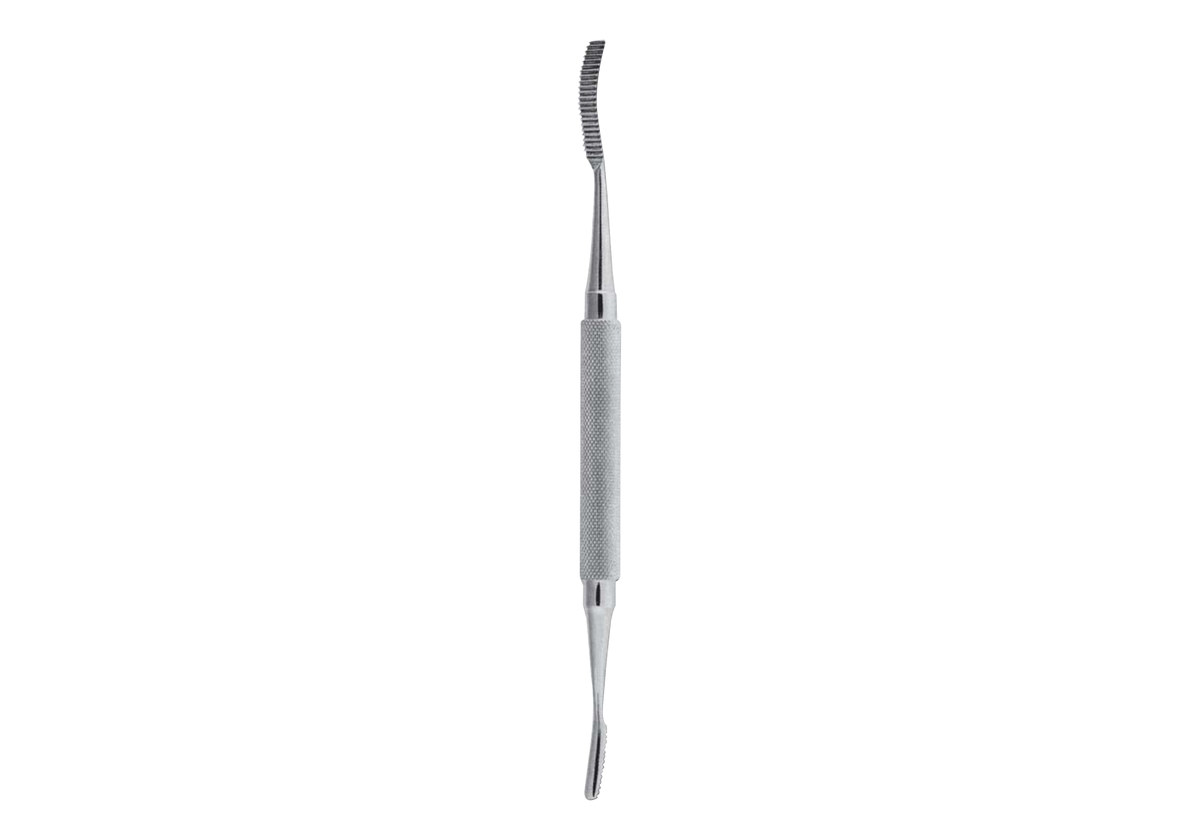
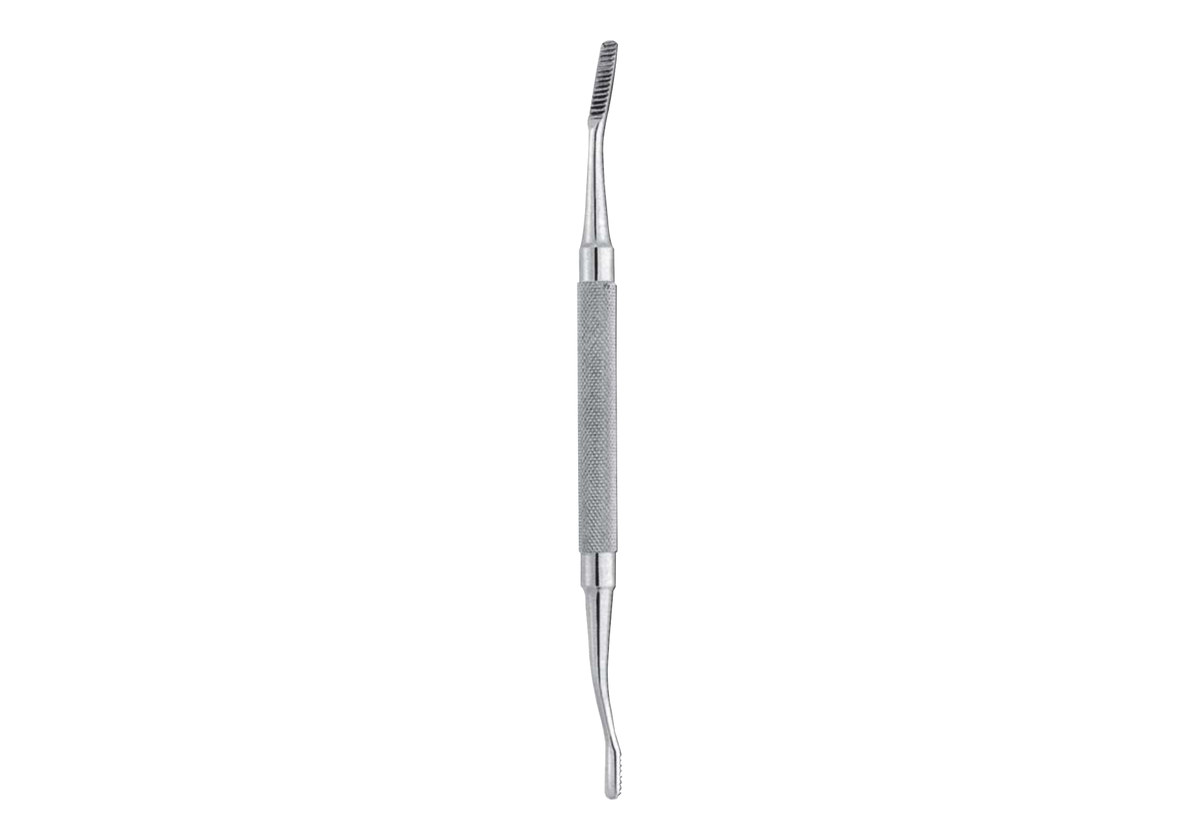
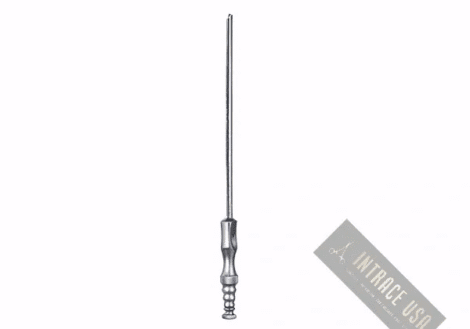
Miller is one of the best known names in oral surgery files. A miller bone file smooths small ledges and sharp margins on the alveolar bone once teeth or roots are removed. Our supplier catalogue shows two Miller figures, numbered 45 and 64. We offer both, sold one at a time.
Fig. 45 Compared With Fig. 64
The catalogue identifies these two by figure number alone. It does not print a length or a tooth count for either. As a result, the clearest way to choose is to study the product images. Look at how each working end is shaped, then match it to the sites where you usually file.
Where a Miller File Fits in the Sequence
Flap surgery usually starts with elevation, then extraction, then bone contouring. The file comes near the end, after rongeurs and curettes have done the heavier work. Its role is finishing: a few controlled strokes leave the crest even. Next, the site is irrigated and closed.
Handling Tips for Longer File Life
Short strokes give better control than long sweeps across the ridge. Also, avoid prying with the tip, since a file is not an elevator. Once the procedure ends, soak the instrument so bone debris does not dry in the grooves. Then brush the teeth before the washer or ultrasonic cycle.
Our Checks and Your Coverage
Before shipment, we inspect each Miller figure here in the United States. It is supplied non-sterile, and it needs full sterilization before reaching the operatory. Both figures carry a guarantee of three years against manufacturing defects, whichever number you pick.
Stainless steel for this file is specified under ASTM F899. More options sit in our maxillofacial surgery instruments category. For raising the flap beforehand, a Molt periosteal elevator pairs well, and our FAQs help with the rest.
Please note this file is sold to qualified, trained clinicians. What happens after checkout, from transit to first autoclave cycle, is laid out on our site.

Reviews
There are no reviews yet.