




Description
Masing Chisel
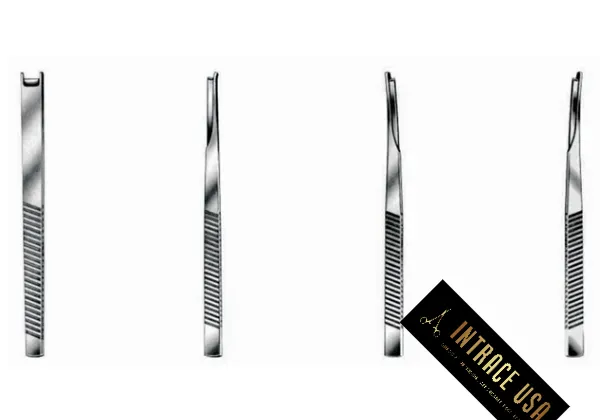
The Masing chisel comes in four widths for nasal bone work. During rhinoplasty or septoplasty, gentle mallet blows let its edge shave bone and cartilage with control.
Four blade widths
We offer four widths: 7 mm, 10 mm, 12 mm and 14 mm. The narrow 7 mm blade suits small, precise cuts. Meanwhile, the wider blades remove broader strips of bone in fewer strokes.
Why width matters
The blade width sets how much bone each cut takes. So a surgeon may start with a wide chisel for bulk removal. Then a narrow chisel can refine the edges afterward.
Typical nasal uses
For instance, a wide Masing blade can lower a dorsal hump in one pass. Likewise, a narrow one can clear a septal spur near the nasal floor. In each case, rasps and files usually finish the surface.
Building a width range
If you are starting a set, a narrow and a wide blade cover most needs. However, a full range of four gives more flexibility. Tell us which widths you already have and we will suggest the gaps.
Caring for your Masing chisel
Protect each edge with a guard in the tray. Rinse the chisel soon after surgery, then clean it by hand. Finally, dry it thoroughly before sterilization.
Masing chisel specifications
- Blade widths: 7, 10, 12 or 14 mm
- Nasal chisel for use with a mallet
- Stainless steel
Ordering one of four widths
Each width from 7 to 14 mm comes with our three-year warranty against defects of workmanship. Also, every chisel width gets a close look by hand in Atlanta before shipping. Visit the FAQ page for ordering help for common questions. For steel grades, see ASTM F899, which covers chisel steel and other surgical instrument steels. To elevate lining before cutting, add a Masing periosteal elevator. Then browse our full ENT range online.
These four-width chisels serve professional users only. Our care and sterilization help explains chisel photos and nickel as part of the alloy, and our returns section covers how to return an item.

Reviews
There are no reviews yet.