




Description
Lewis Rasp
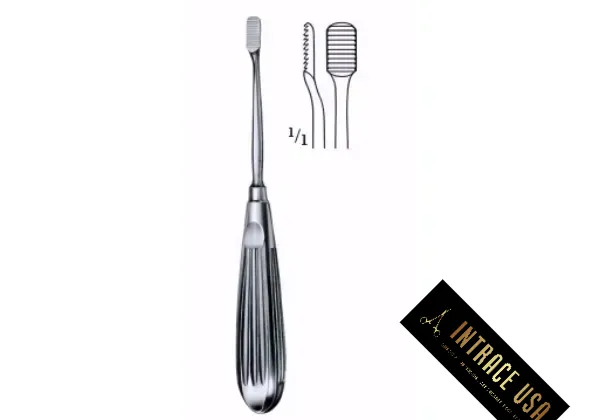
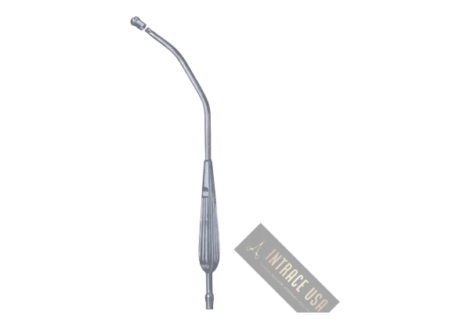
The Lewis rasp is a nasal rasp for rhinoplasty. Surgeons use it to reduce a bony hump and smooth the nasal dorsum after larger cuts.
Fine and coarse grit
We offer this rasp in two grit patterns: fine or coarse. A coarse surface removes bone faster, so it suits early reduction. In contrast, a fine surface leaves a smoother finish for the last passes.
Length
The catalogue lists this pattern at about 18 cm. That length lets the surgeon work along the dorsum through a small opening while holding the handle comfortably. Our listing omits the blade size, so email us if that figure matters to you.
Using both grits in one case
For example, a surgeon may start with the coarse rasp to lower a hump. Then the fine rasp blends the bone edges and removes small steps. As a result, many teams stock one of each.
Which one to order
If you only want one, think about your usual workflow. Surgeons who follow an osteotome with a rasp often choose fine. Meanwhile, those who reduce mainly by rasping tend to reach for coarse first.
Caring for your Lewis rasp
Clean the teeth right after surgery because bone dust hardens as it dries. Brush along the grit with a firm nylon brush, then rinse. Finally, dry it and sterilize by steam.
Lewis rasp specifications
- Grit patterns: fine or coarse
- Length: about 18 cm
- Stainless steel
Buying a fine or coarse rasp
A three-year warranty against workmanship defects comes with every fine and coarse rasp in this line. Also, we inspect your grit choice by hand in Atlanta prior to dispatch. Our questions page explains payment, delivery and cleaning. For grit rasps and other surgical instruments, the steel reference is ASTM F899. Surgeons who want set blade sizes can compare the Cottle rasp. You can also shop the entire ENT department.
Grit rasps are for professional use. Our care guide explains how we photograph rasps and why stainless steel contains nickel, and our returns page covers grit exchanges.
Reviews
There are no reviews yet.