




Description
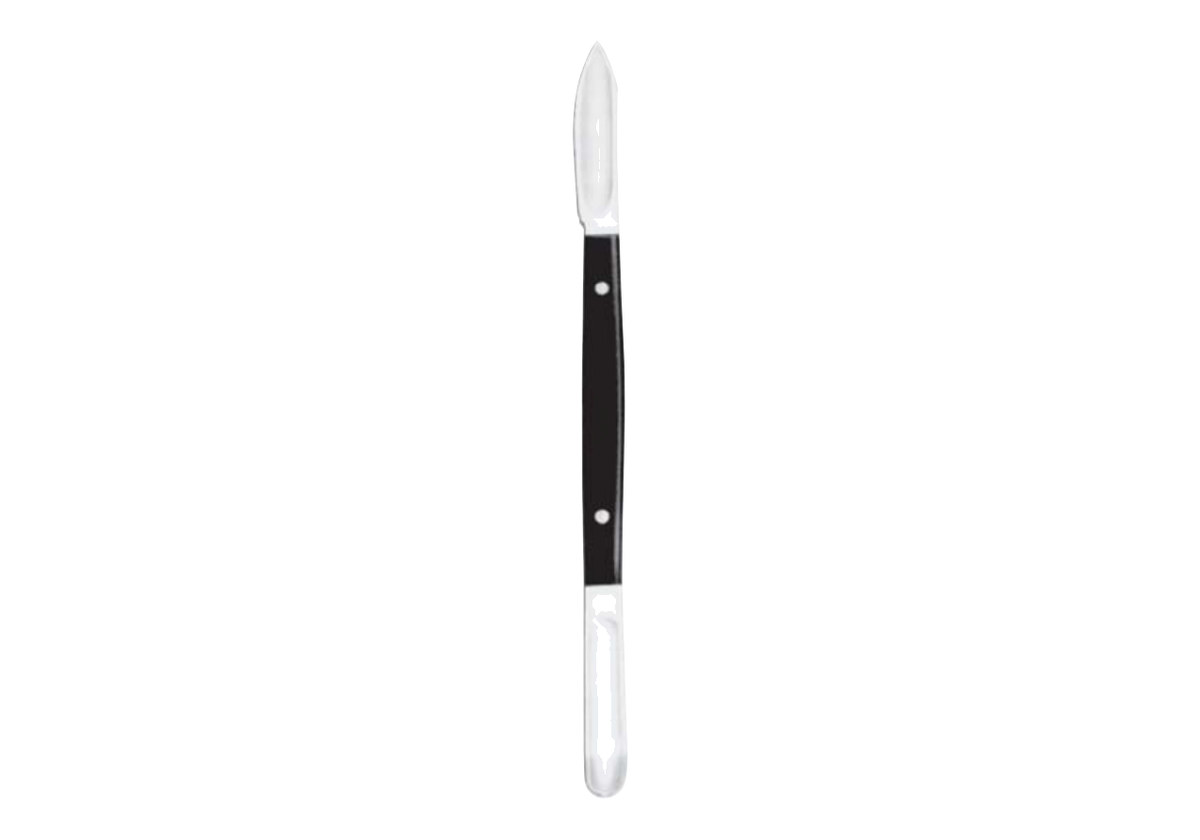
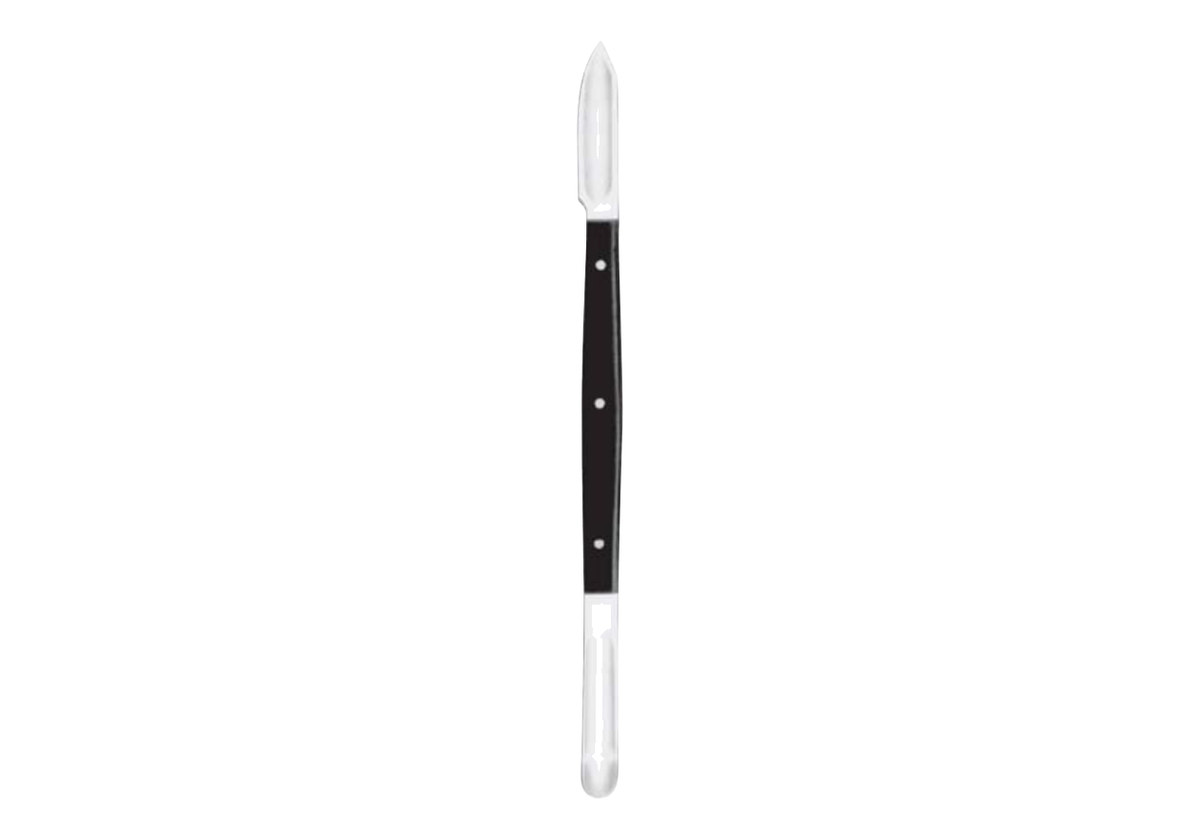
Lessmann Wax Knives
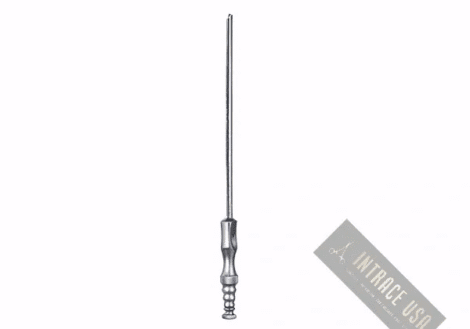
A lessmann wax knife cuts and shapes dental wax on the bench and at the chair. Technicians use it to trim wax rims, carve base plates and remove excess from patterns. The supplier catalogue lists it on its wax knife page in two lengths.
Choosing Between 13 cm and 17 cm
The 13 cm knife is the shorter of the two. It sits close in the hand, so many users find it easier to control for fine trimming. The 17 cm version adds reach and leverage. Therefore it suits bigger tasks, such as cutting through a thick wax rim or working on a full arch.
Bench Work With a Wax Knife
First, warm the blade gently over a flame or heater when the wax is hard. Then cut with steady strokes, letting the heat do most of the work. Finally, wipe the blade clean while it is still warm, since cold wax sticks firmly.
Chairside Bite Registration
The same knife helps during jaw relation records. For example, a dentist may trim a wax rim to the planned occlusal plane before the try-in. In that setting, the shorter length is often easier to handle beside the patient.
Caring for the Blade
Remove wax completely before cleaning, because residue can bake on during sterilization. Also, avoid cutting on hard surfaces, which dulls the edge quickly.
Both Lessmann lengths are stainless steel, and an Atlanta inspector checks each blade in the United States before it ships. Since a wax knife travels non-sterile, scrub and autoclave the blade before trimming a bite rim in the mouth. Whether you choose 13 or 17 cm, the knife is backed three years against manufacturing defects by Intrace USA.
Steel grades are set by ASTM F899. Browse lab and restorative tools in our restorative instruments category, or add wax knives with spoon for adding wax. Our FAQs help with orders.
Wax knives are supplied to trained dental professionals and technicians. Our blade cleaning advice and delivery page have the details.

Reviews
There are no reviews yet.