




Description
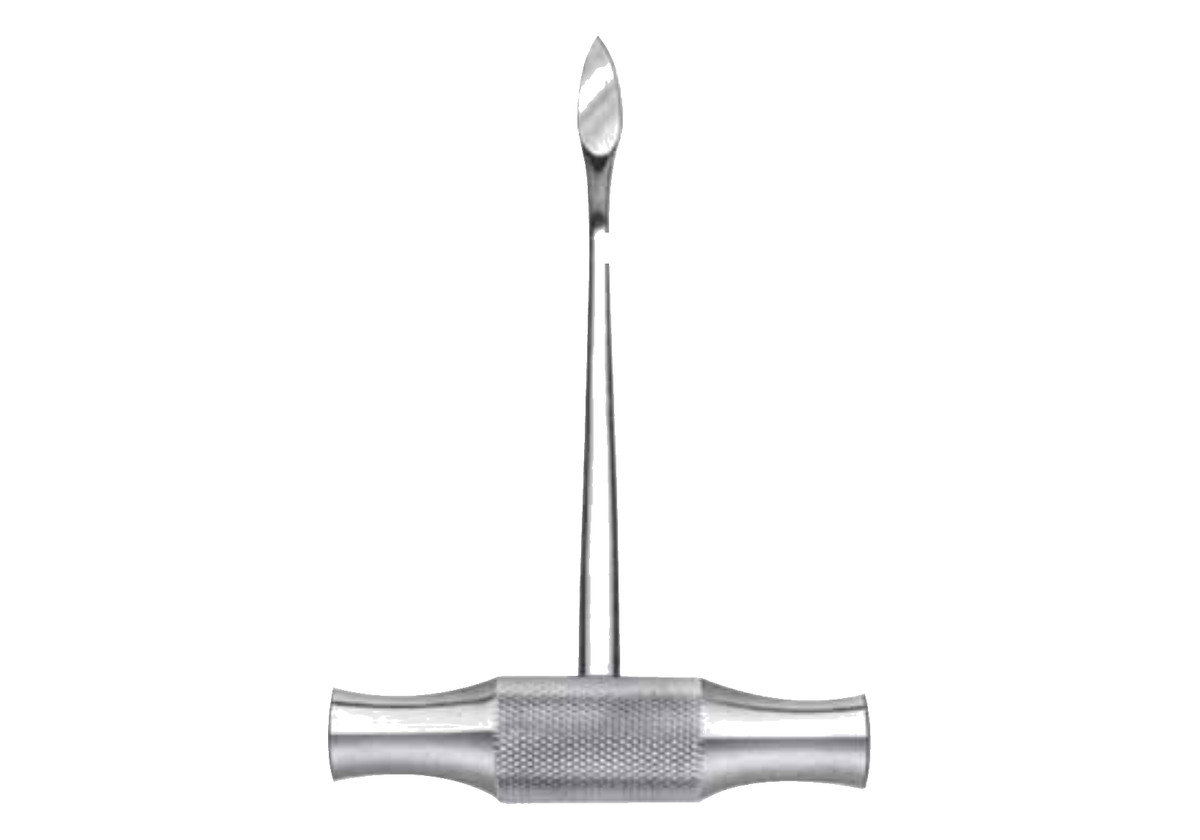
Lecluse Root Elevator
The Lecluse root elevator, Fig. 1LC, is a classic tool for lower third molars. It works from the gap between the second and third molar. From there, it pushes the third molar distally and out of its socket.
A lower third molar specialist
This item comes as one figure, Fig. 1LC. Unlike general root elevators, the Lecluse has a narrow, clear job. Many oral surgeons keep it for lower wisdom teeth that sit upright or tip slightly forward. Still, case choice stays with the clinician and the X-ray.
How the Lecluse moves the tooth
First, place the blade between the second and third molar. The flat side faces the third molar. Next, turn and lever the handle with care. As a result, the third molar moves back, away from the second molar.
Protecting the second molar
The second molar sits right next to the blade, so treat it with respect. Keep the force on the third molar, not on its neighbor. In addition, use slow, measured moves rather than one hard push.
- Check the X-ray for root shape and nearby structures.
- Brace a finger on solid tissue for control.
- Stop and section the tooth if it will not move.
Care for Fig. 1LC
Inspect the blade after each use for chips or a rolled edge. A damaged blade can slip in a tight space. Therefore, retire it if honing cannot restore the edge.
Ordering the Lecluse
Fig. 1LC is made to our specification, and every unit gets a hands-on inspection in the United States. Its stainless steel conforms to ASTM F899. Supply is non-sterile, and the elevator serves again after each cleaning and sterilizer run. Should the forging or finish let you down, three years against manufacturing defects apply from your purchase date. You can also scan our wider selection of extraction elevators, compare the Winter root elevators, or visit our common questions.
Made for professional oral surgery. Find sterilization guidance and order delivery facts online.

Reviews
There are no reviews yet.