




Description
Jansen Bone Rongeurs
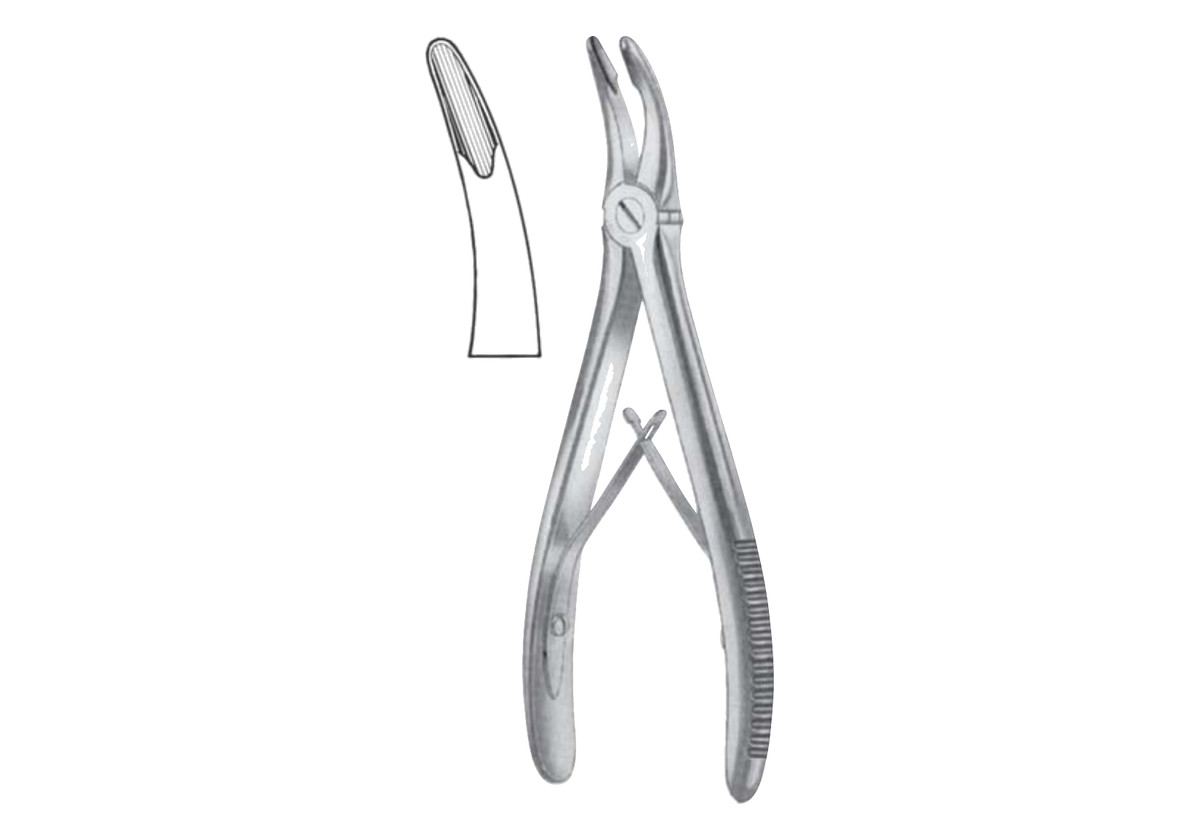
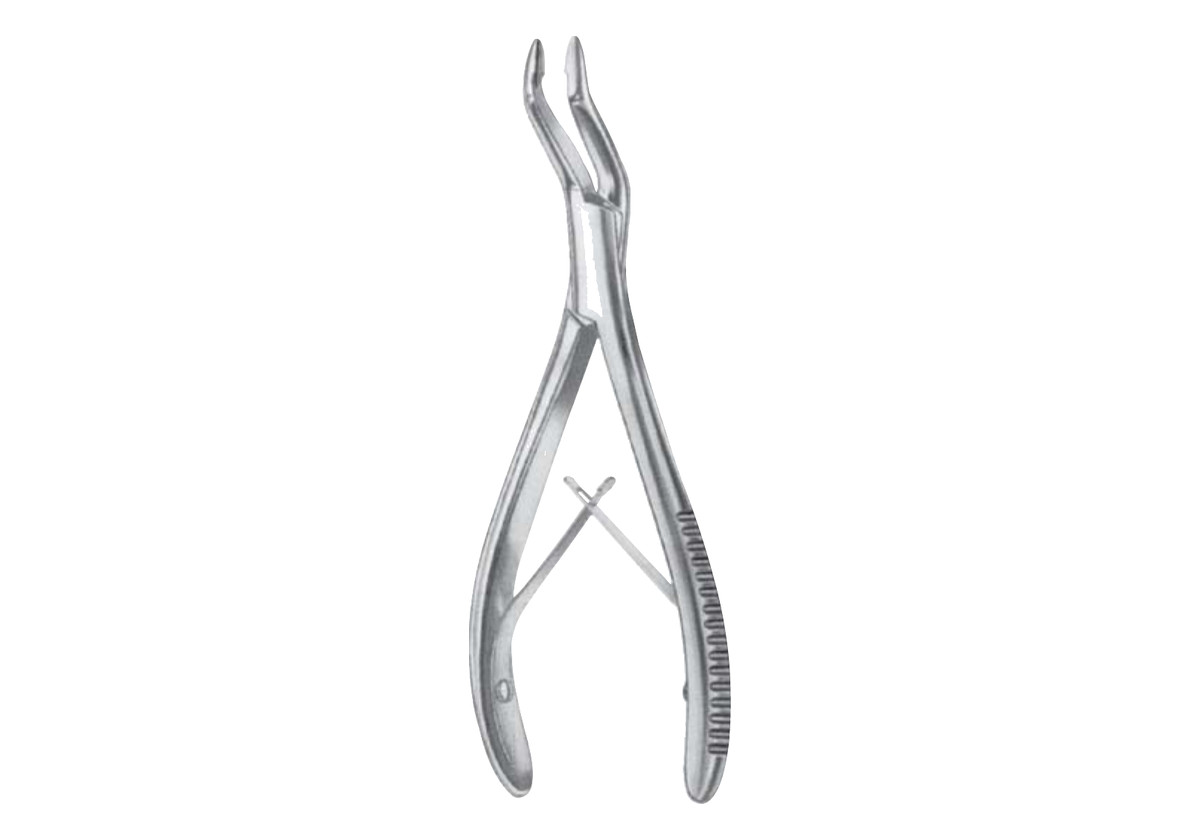
The Jansen bone rongeurs bite away small pieces of bone with a 4 mm cupped jaw on a sprung handle. Oral surgeons reach for them during the tidying that follows an extraction: a sharp interseptal crest, a spicule left in the socket, a ridge that has to sit flat under a denture. Because the handle is sprung, the jaws reopen on their own between bites. One hand therefore keeps working while the other holds the flap.
Single action: what it means on a Jansen bone rongeur
One hinge carries the load here, so the jaw does exactly what the hand does and the bite stays short and direct. Double-action rongeurs, the Zaufal-Jansen among them, add a compound linkage that multiplies grip for heavier bone. You are trading that power for feel. On alveolar bone the feel is usually worth more, since the cut is small and it sits against soft tissue you would rather not catch.
The two lengths
Both versions are the same instrument, and the jaw is identical on each. Only the shank differs, by five millimetres.
- 17.5 cm — the shorter of the pair
- 18 cm (7″) — the length most sets are built around
So choose on what the rest of the tray already carries, rather than on reach. Neither length changes how the instrument behaves in the mouth.
Key features
- 4 mm cupped jaw that takes a measured bite instead of crushing
- Sprung handle, so the jaws reopen without a second hand
- Box joint, which keeps the jaws tracking through repeated loading
- Horizontally serrated grip that holds up through a long list
- Stainless steel, and autoclavable between cases
Who works with them
Oral and maxillofacial surgeons use the Jansen bone rongeurs through extraction, alveoloplasty and pre-prosthetic work. Meanwhile, periodontists reach for them in osseous surgery and implant-site preparation. In addition, general dentists who take out third molars keep a pair on the surgical tray.
Care
Clean the jaw cup and the box joint properly, because bone debris packs into both and dulls the edge. Then check that the jaws close cleanly, tip to tip, before each case. Finally, store the instrument with the handle relaxed, since a spring left compressed loses the return that makes a rongeur one-handed.
Warranty
Three years against manufacturing defects.

Reviews
There are no reviews yet.