




Description
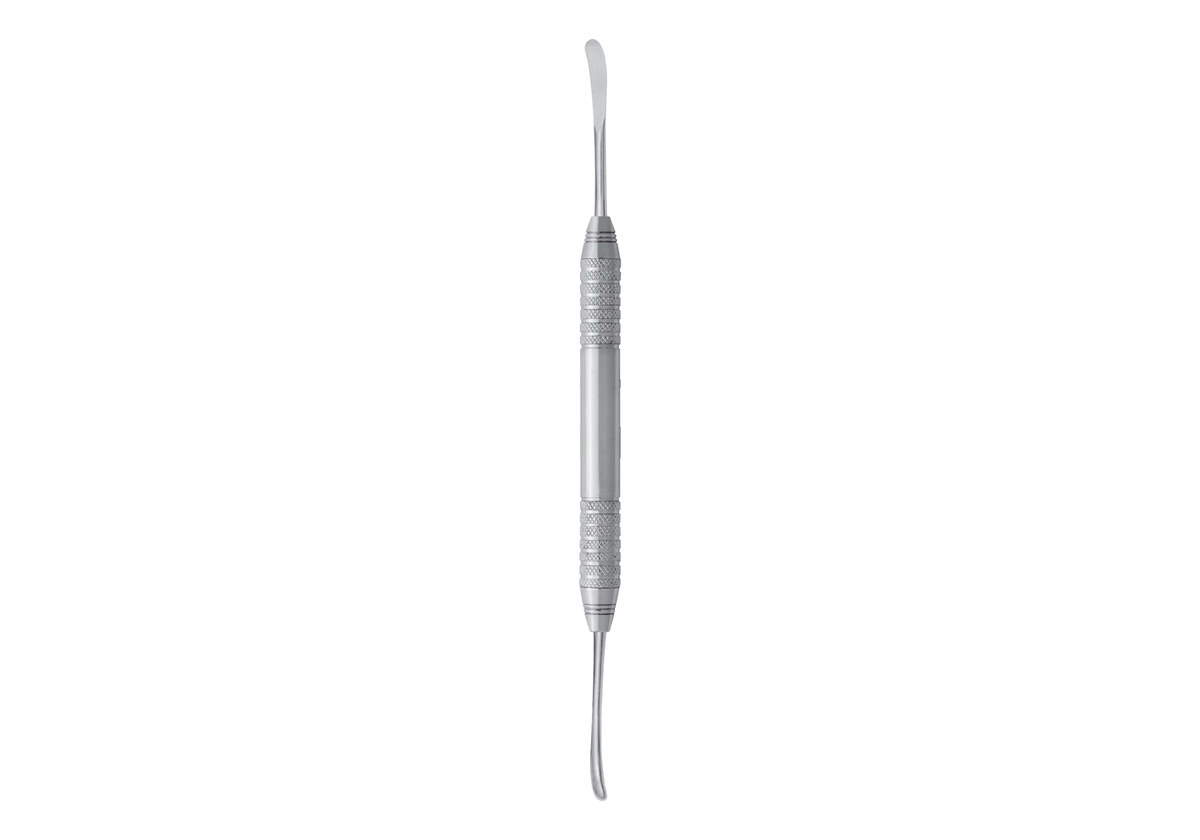
Goldman-Fox Periosteal Elevators
A Goldman-Fox periosteal elevator lifts the mucoperiosteum from bone with a thin, controlled edge. Periodontists have used this family for flap surgery for decades. Two patterns are listed here, and each answers a different part of the flap.
The Standard, 17 cm Pattern
The Standard option is the general Goldman-Fox elevator at 17 cm. It suits the body of the flap, where you need to free tissue along the facial or lingual bone. First, it starts the reflection at the incision line. Next, it sweeps under the periosteum to expose the ridge for implant placement or grafting.
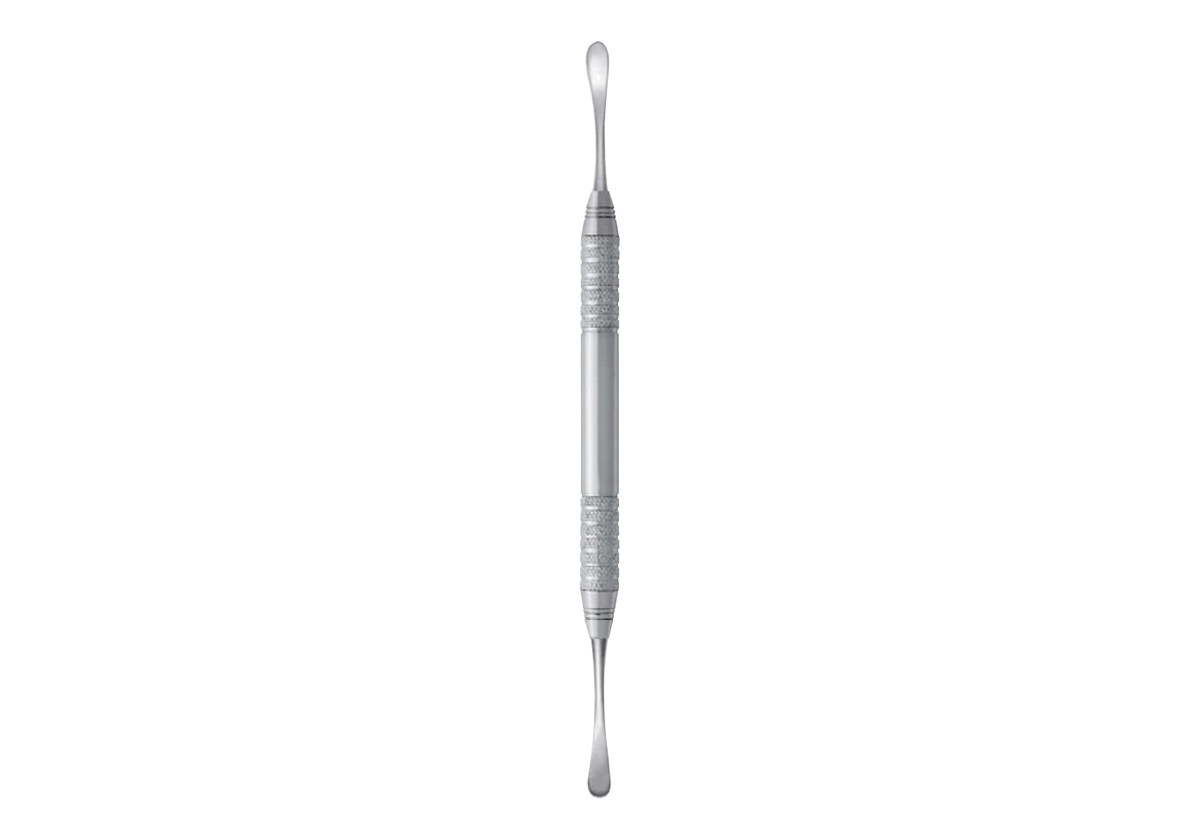
The #14 Papilla, 175 mm Pattern
The #14 Papilla option comes from the papilla elevator group in our supplier catalogue, at 175 mm. As the name suggests, it is aimed at the interdental papilla, where tissue is thin and easy to tear. So, reach for it when you want to preserve papillae beside an implant site or during papilla-sparing incisions.
Deciding Which to Order
If you raise standard flaps and rarely work around papillae, the Standard elevator covers most needs. However, aesthetic implant work in the anterior benefits from the #14 as well. Many clinicians therefore buy both, then use the papilla tip first and the standard blade for the rest.
Inspected, Shipped and Warranted
Our Georgia team in the United States checks the edge of each Goldman-Fox blade before it ships from Atlanta. Because it arrives unsterilized, wash and autoclave it ahead of the first flap. Should the steel or edge prove flawed in production, the elevator qualifies for repair under three years against manufacturing defects protection.
See ASTM F899 for the steel standard, and browse Dental Implant Instruments for more flap tools. The matching Goldman-Fox soft tissue nippers tidy the flap edges later. Policies sit in our FAQs.
Flap elevation is for trained dental and periodontal clinicians. Read about elevator reprocessing and how we ship.

Reviews
There are no reviews yet.