




Description
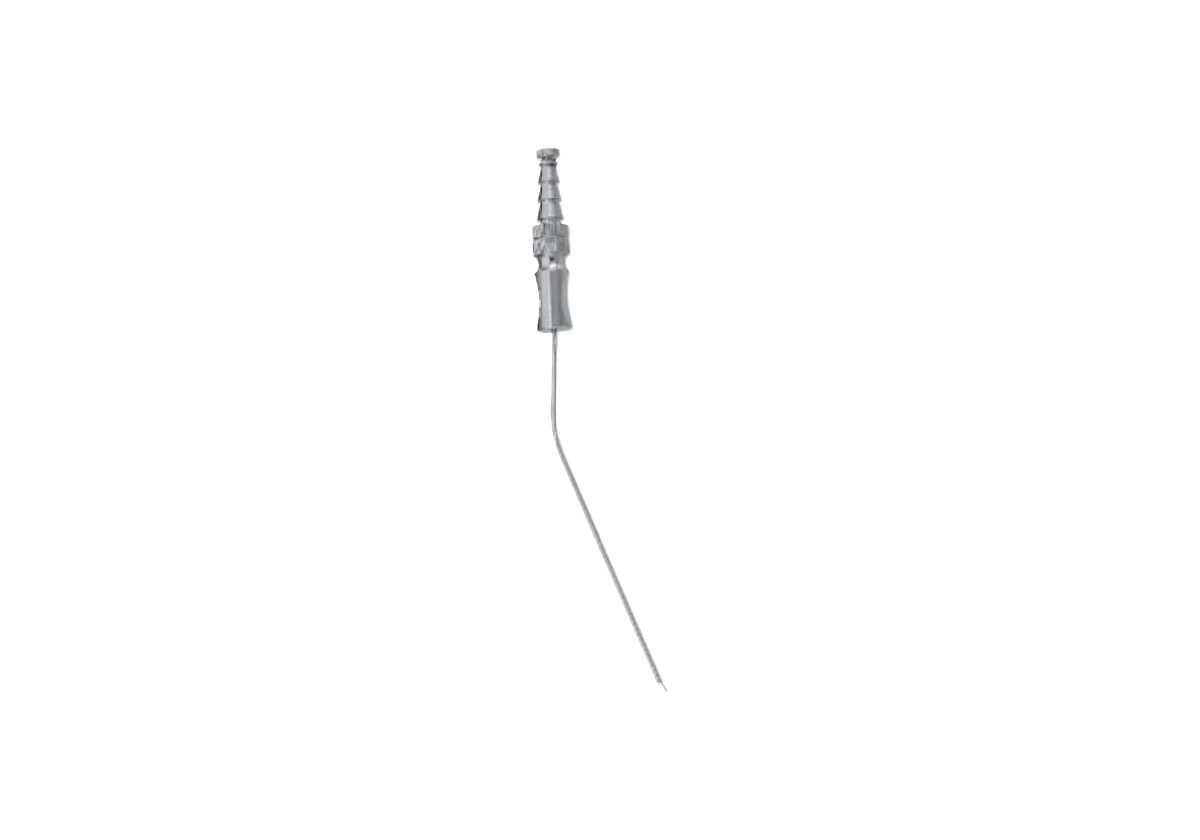
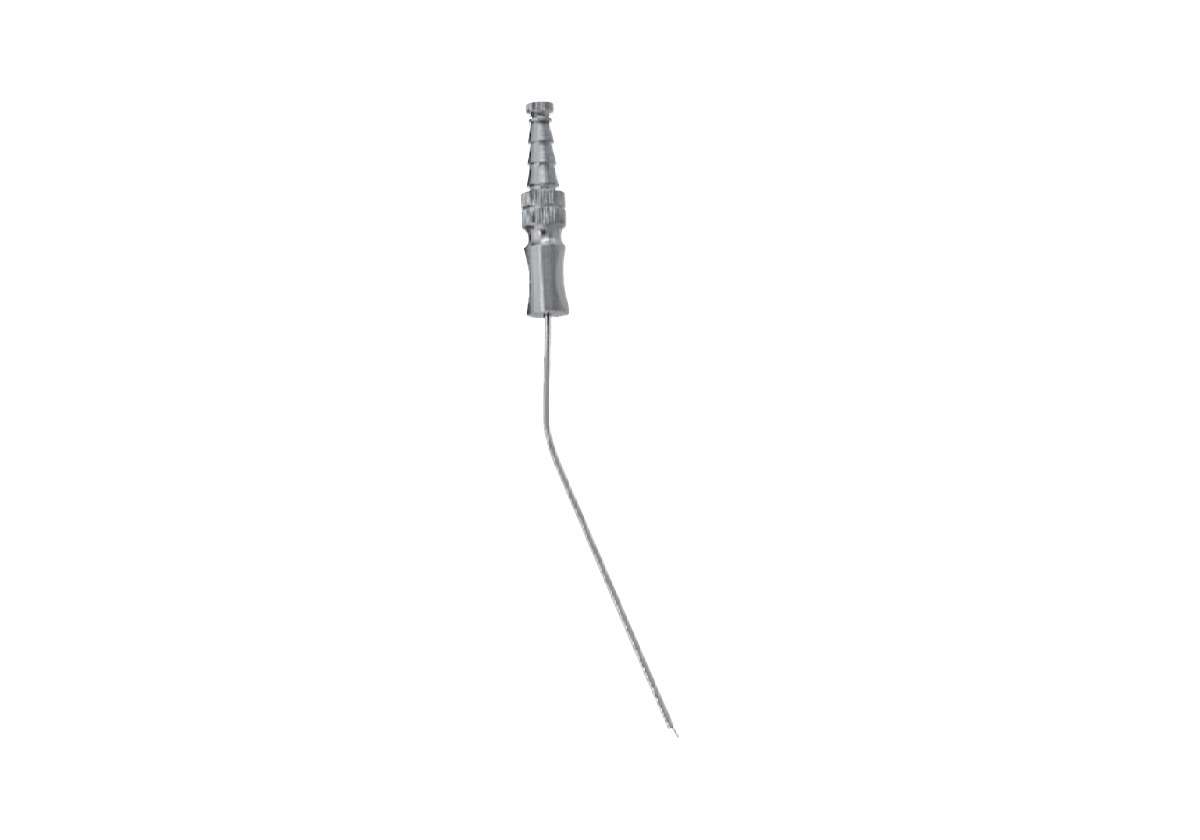
Frazier Surgical Aspirators
Some surgical fields are too small for a wide suction tube. An implant osteotomy, a sinus window or a chin harvest site needs suction that reaches in without blocking the view. A Frazier surgical aspirator is a slim, angled metal cannula built for that job. We stock it in two bore sizes, 2.5 mm and 4 mm.
Choosing Between 2.5 mm and 4 mm
The two options differ in tip diameter. Our supplier places them in different sets. That hints at their typical use:
- 2.5mm: listed in the osteotome set, so it suits narrow osteotomies and sites where bone chips should stay put.
- 4mm: listed in the chin, ramus and allogeneic graft set. It moves more fluid when a harvest site bleeds freely.
Many surgeons keep both, then pick by the size of the opening on the day.
Holding the Tip Without Clearing Away Graft
A narrow bore pulls hard at the tip. Therefore, hold it just above particulate graft instead of directly on it. Also, keep it moving along the wound edge, since a stationary tip can grab soft tissue. When the lumen slows down, flush it with sterile saline between passes.
Cleaning a Fine Cannula
Bone dust packs into small bores easily. So rinse each Frazier surgical aspirator immediately after the case, then run a thin brush through the full length. Ultrasonic cleaning helps next. Both sizes arrive non-sterile, and they must be cleaned and autoclaved before use.
Checked Here, Covered for Years
Before shipping, our staff in the United States check each bore and tip. In addition, we replace a split tip or cracked joint, because both bores carry three years against manufacturing defects.
The steel meets ASTM F899. Pair it with our Andrews-Pynchon suction tube for heavy bleeding. Then browse the suction and aspiration category, or ask about bore sizes through our FAQs.
Both bores are restricted to qualified surgical staff. Brushing tips for fine cannulas sit on our care and sterilization guide; dispatch timing is on shipping and delivery.

Reviews
There are no reviews yet.