




Description
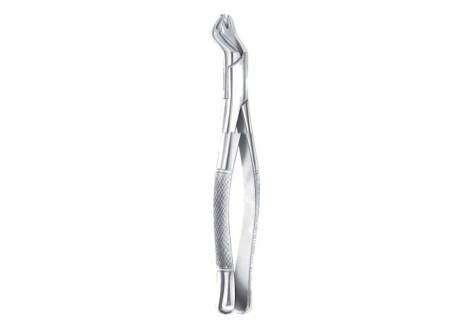
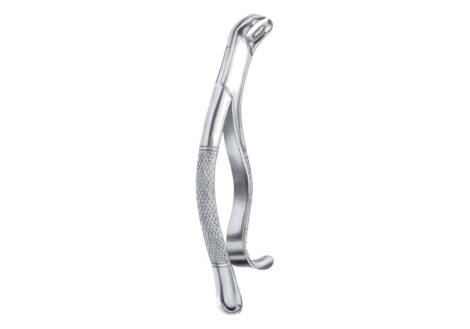
Angular Excavators with Rounded Tip
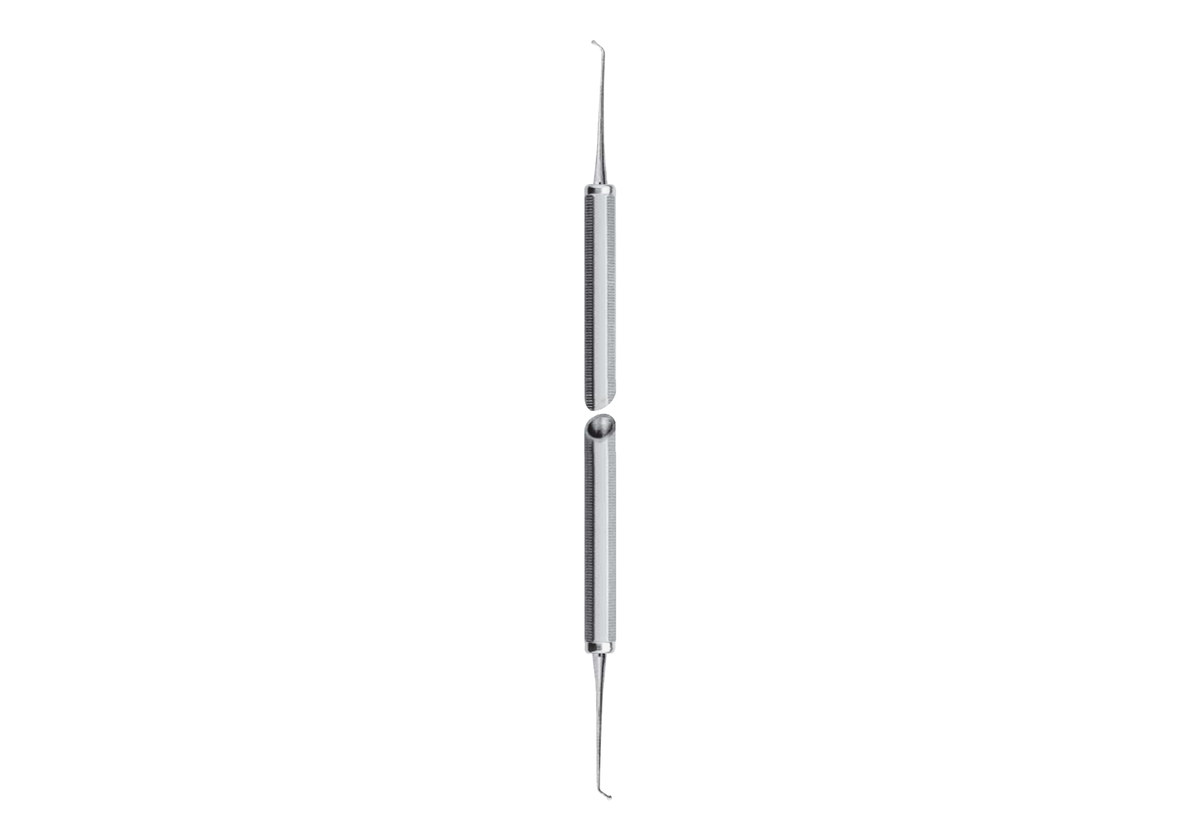
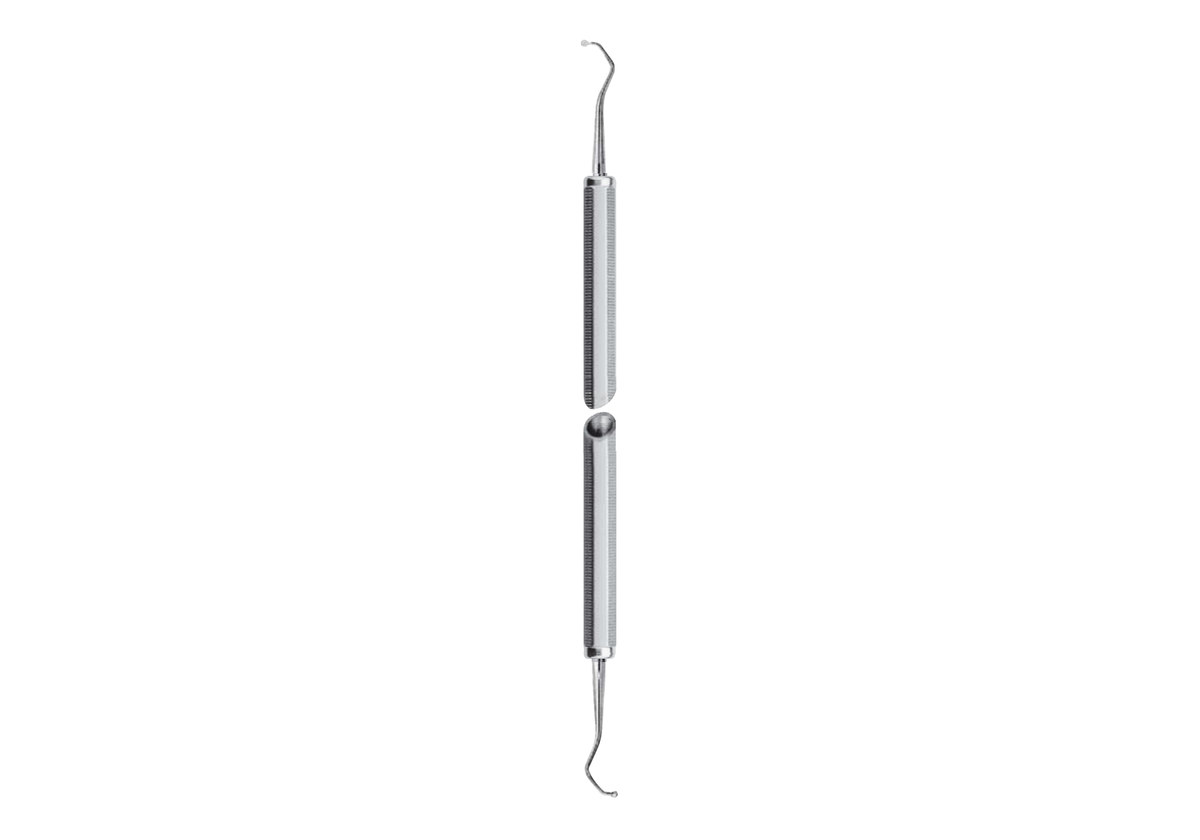
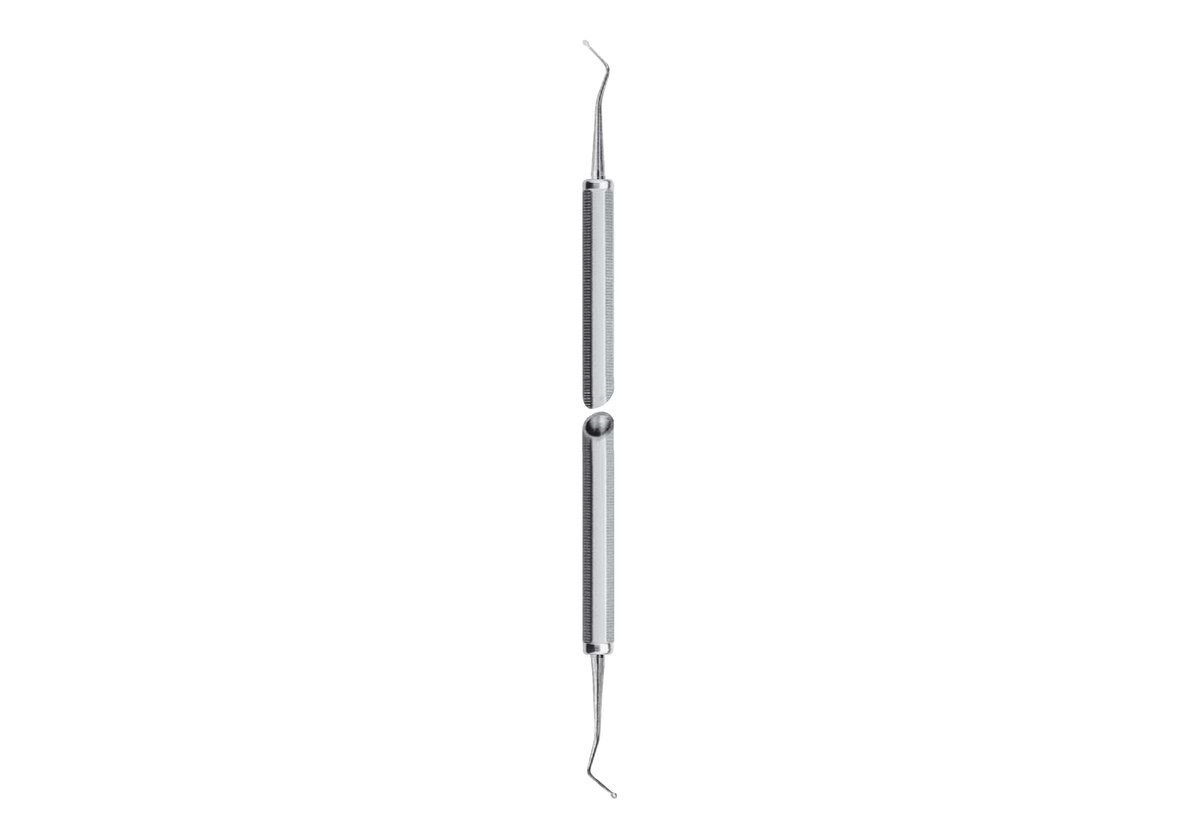
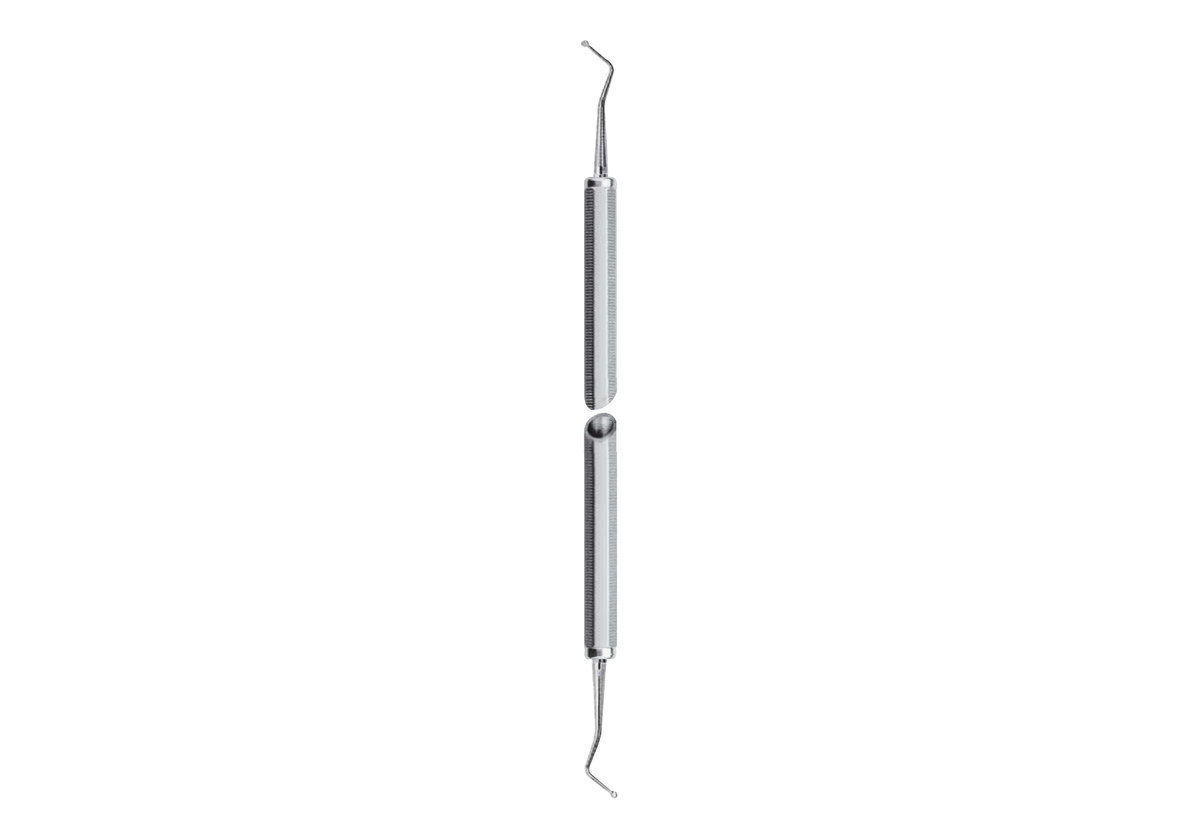
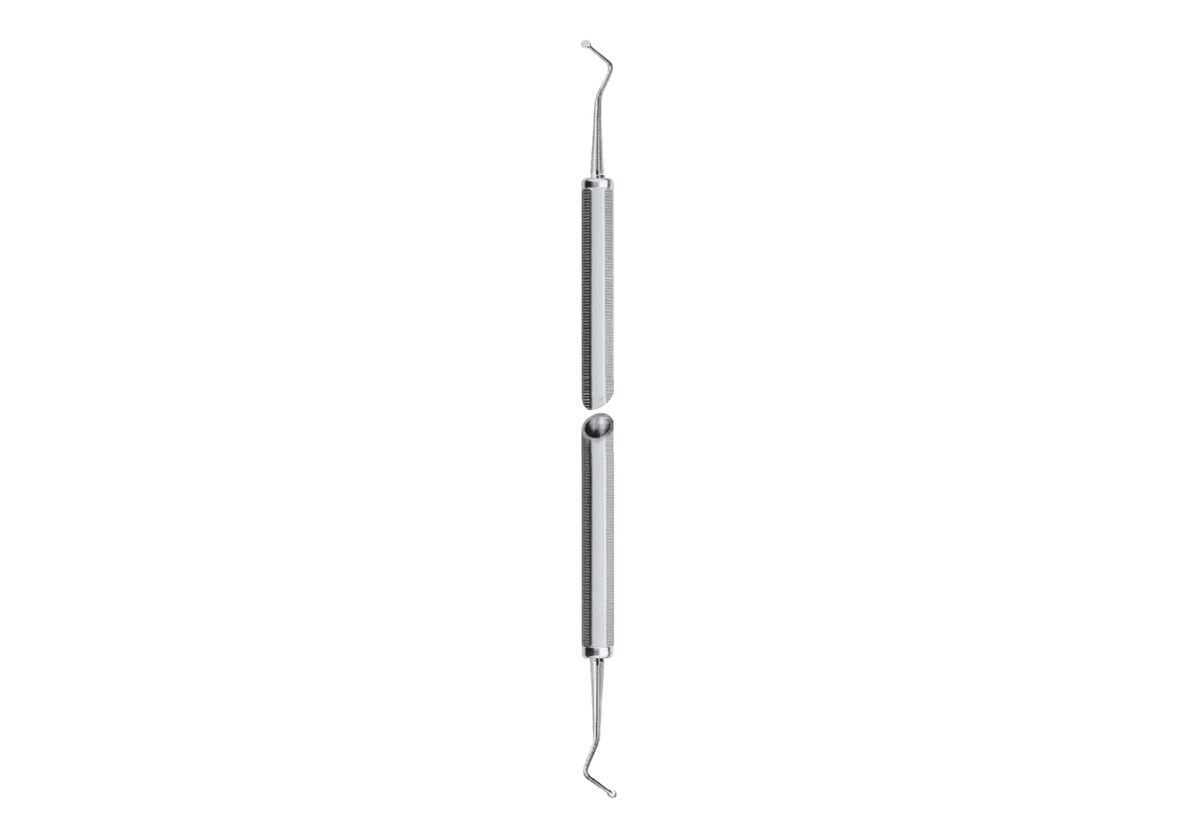
Hand excavation lets you feel the difference between soft, infected dentin and the firmer layer beneath. Every angular excavator on this page has a rounded tip that scoops decay without gouging the floor of the cavity. Also, the angled shank carries the blade into posterior teeth and around cusps. In total there are eight figures, split into two groups by the shape of the spoon.
The Five Rounded Tip Figures
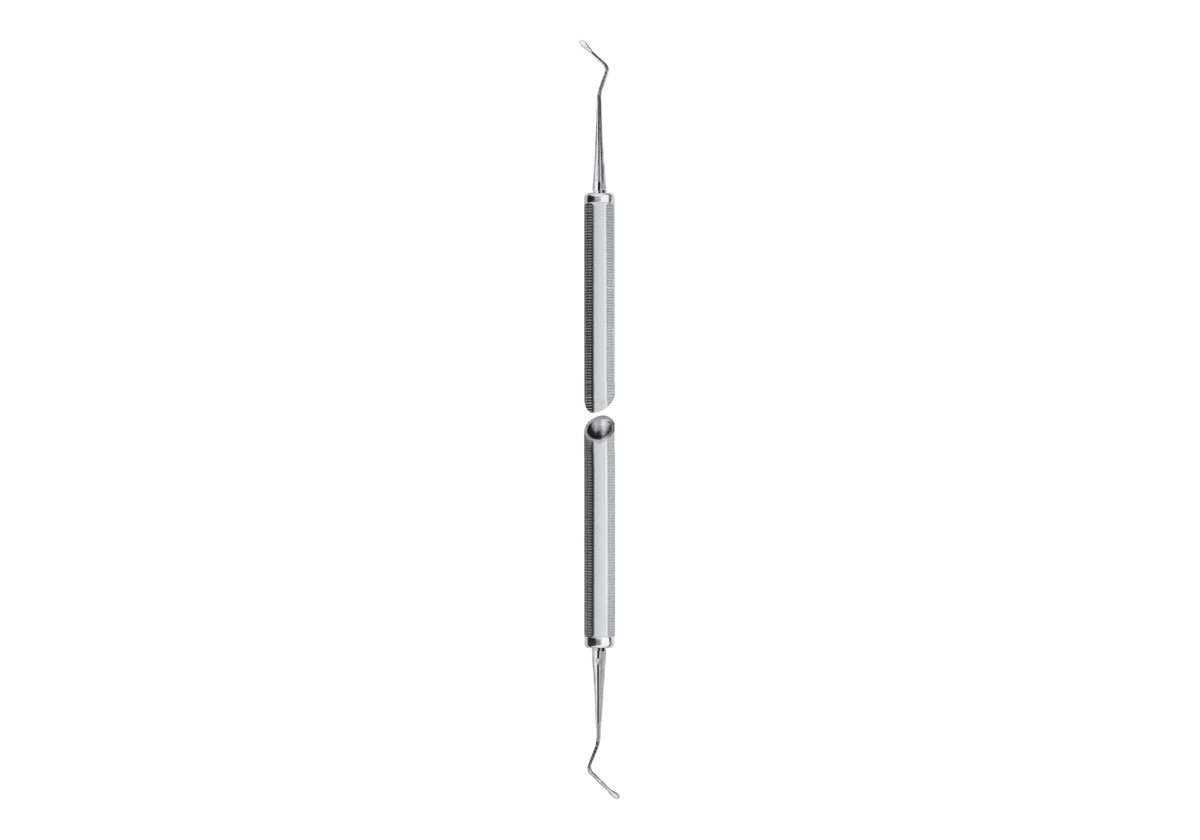
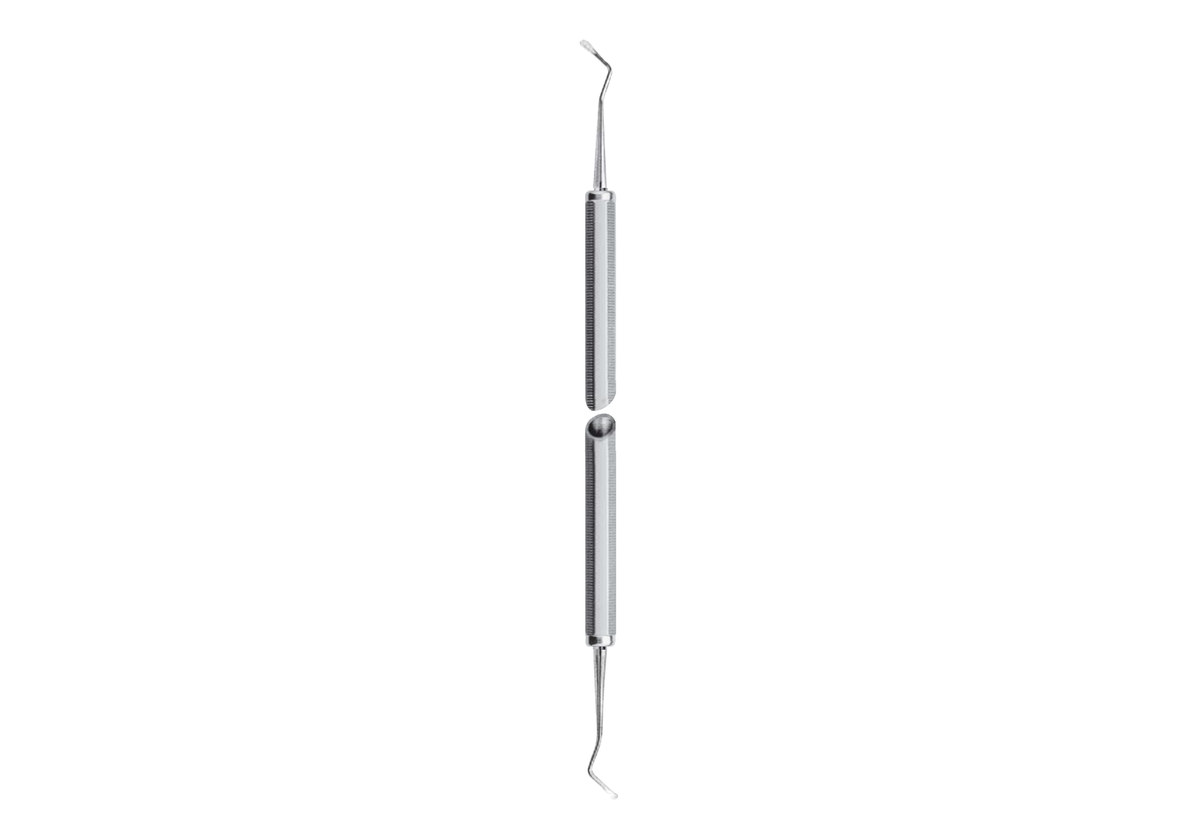
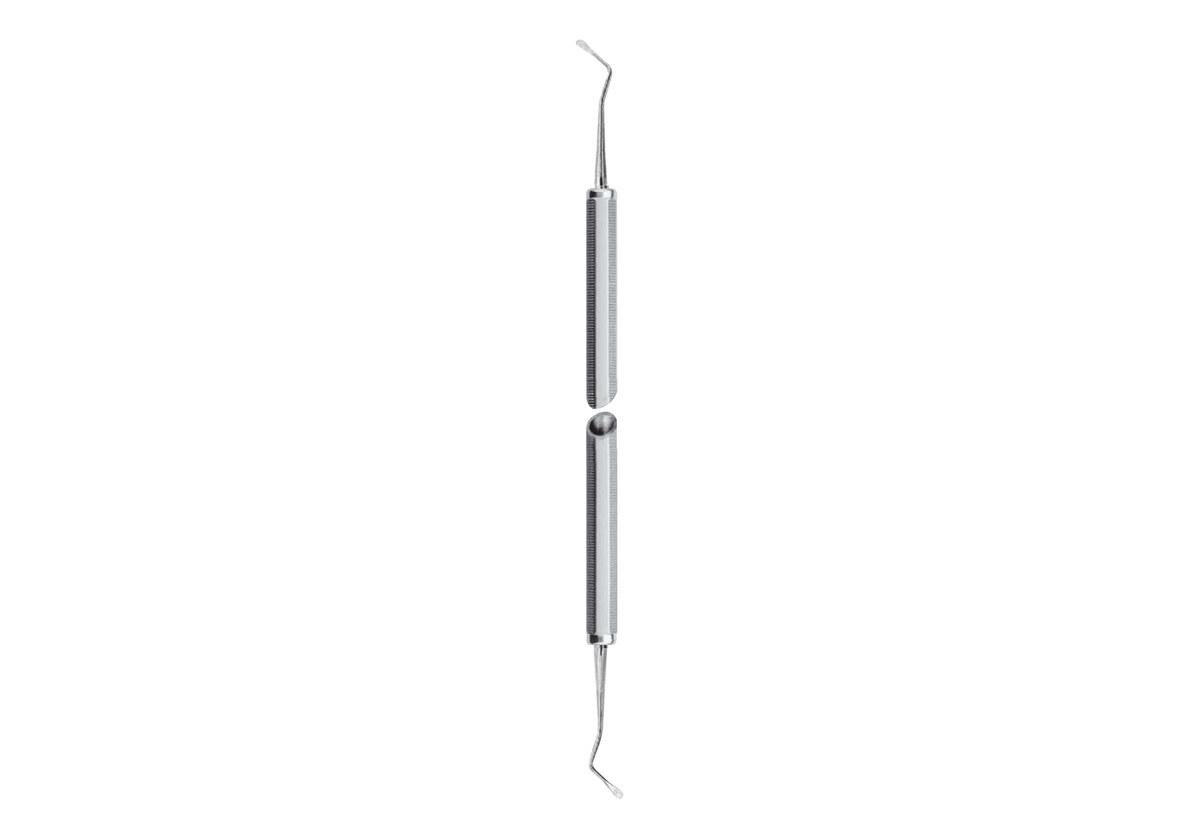
Figs. 6, 14, 17, 18 and 19 are listed as angular shaped excavators with a rounded tip. Then the figure numbers distinguish the individual patterns within that group. Since the catalogue gives no blade dimensions, compare the photos to judge the spoon size of each. Many clinicians keep a smaller spoon for narrow preparations and a larger one for open lesions.
Oval Spoon Figures 17W, 18W and 19W
The three W figures are described in the catalogue as oval spoon versions. Each one sits beside its plain counterpart, so 17W pairs with 17, 18W with 18 and 19W with 19. In other words, if you already like Fig. 18, the 18W offers an oval spoon on the same numbered pattern. Then you can decide which outline clears decay more comfortably for you.
Choosing Your Set of Excavators
- Deep posterior lesions: an angled figure that reaches the pulpal floor
- Undermined enamel edges: a smaller rounded spoon for control
- Wide open cavities: an oval W spoon to clear more dentin per stroke
Our staff in the United States checks each excavator’s spoon and shank before it leaves. Next, because they ship non-sterile, clean and sterilize them before use. Intrace USA additionally gives each excavator figure three years against manufacturing defects spoon to shank.
The steel is specified to ASTM F899. Visit our diagnostic and restorative instrument category, compare the Ash Excavators, or check our FAQs.
Excavators are sold for qualified dental professionals. See our excavator sterilization advice and our shipping timelines.

Reviews
There are no reviews yet.