




Description
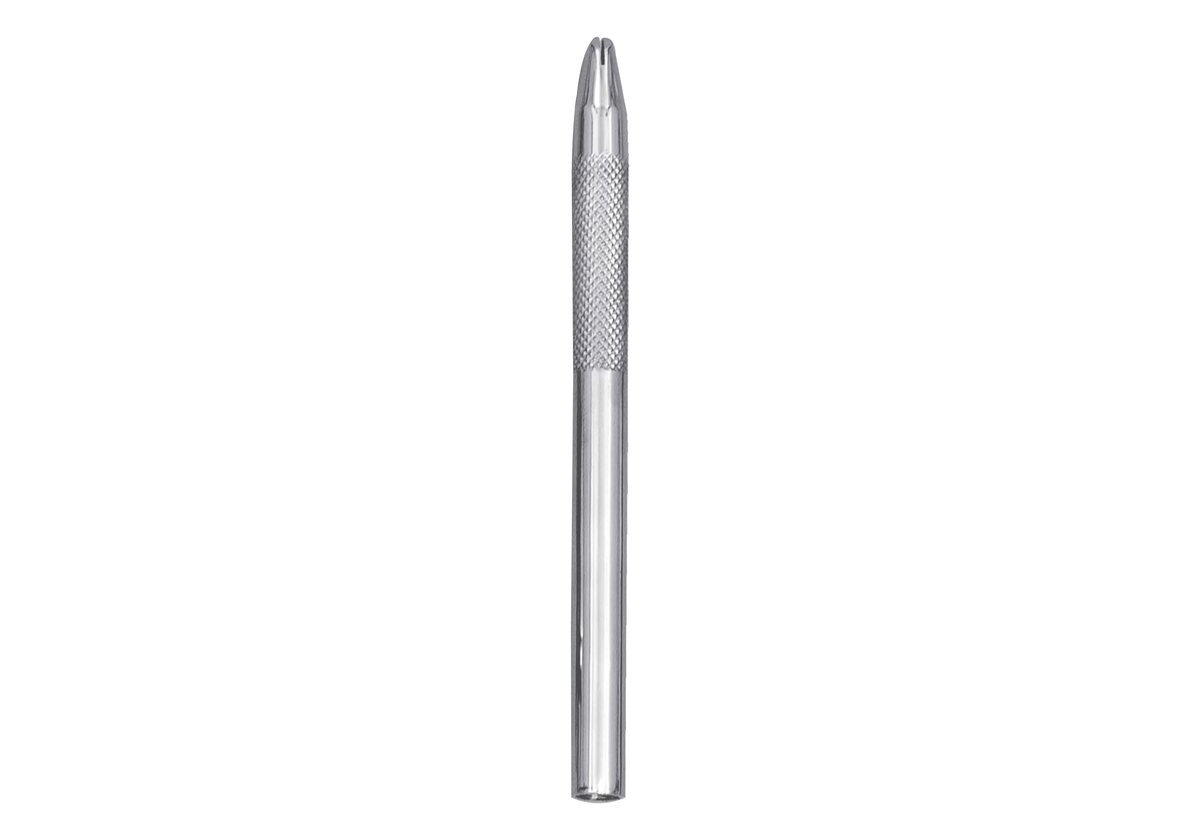
Distal Bender
After you seat an archwire, the end behind the last tube needs to turn down. This distal bender helps you make that bend, which many people call a cinch-back. It is a single item, with no options to choose from.
What a Cinch-Back Does
A bent wire end stops the archwire from sliding forward. It also keeps the end from poking the cheek. So a neat cinch-back adds comfort and holds the arch length you set.
When to Bend the End
Bend the end after the wire is fully seated and tied in. Then check that it lies flat against the tube, not in the gum. If you plan to remove the wire soon, a light bend is often enough. But for a long stage, a firmer bend holds better.
Working Behind the Last Tube
Space is tight at the back of the mouth. These tips help:
- Retract the cheek well before you start.
- Approach from the side that gives the clearest view.
- Bend in one smooth move rather than many small ones.
- Run a finger over the end to check for sharp spots.
Pair It With an End Cutter
Often you trim the wire first, then bend what is left. A distal end cutter handles the trim, and this distal bender handles the turn. Together they cover the whole finish at the molar.
Checking Your Instrument
The catalogue lists this tool simply as a Distal Bender. So look at the product photo to see its working end before you order. Then, after each use, check that end for wear, because a worn tip may slip on the wire.
Distal Bender Order and Warranty
We set the spec for this tool and run our checks in the United States. On the metal side, it uses stainless steel under ASTM F899. Our warranty here reads three years against manufacturing defects, so a factory flaw is ours to fix. It arrives non-sterile; you can reuse it after cleaning and sterilization. For the trim before the bend, see our distal end cutters, safety hold. Explore our orthodontic section or the questions page.
Meant for professional use. Check our sterilization advice and shipping rates and times too.

Reviews
There are no reviews yet.