




Description
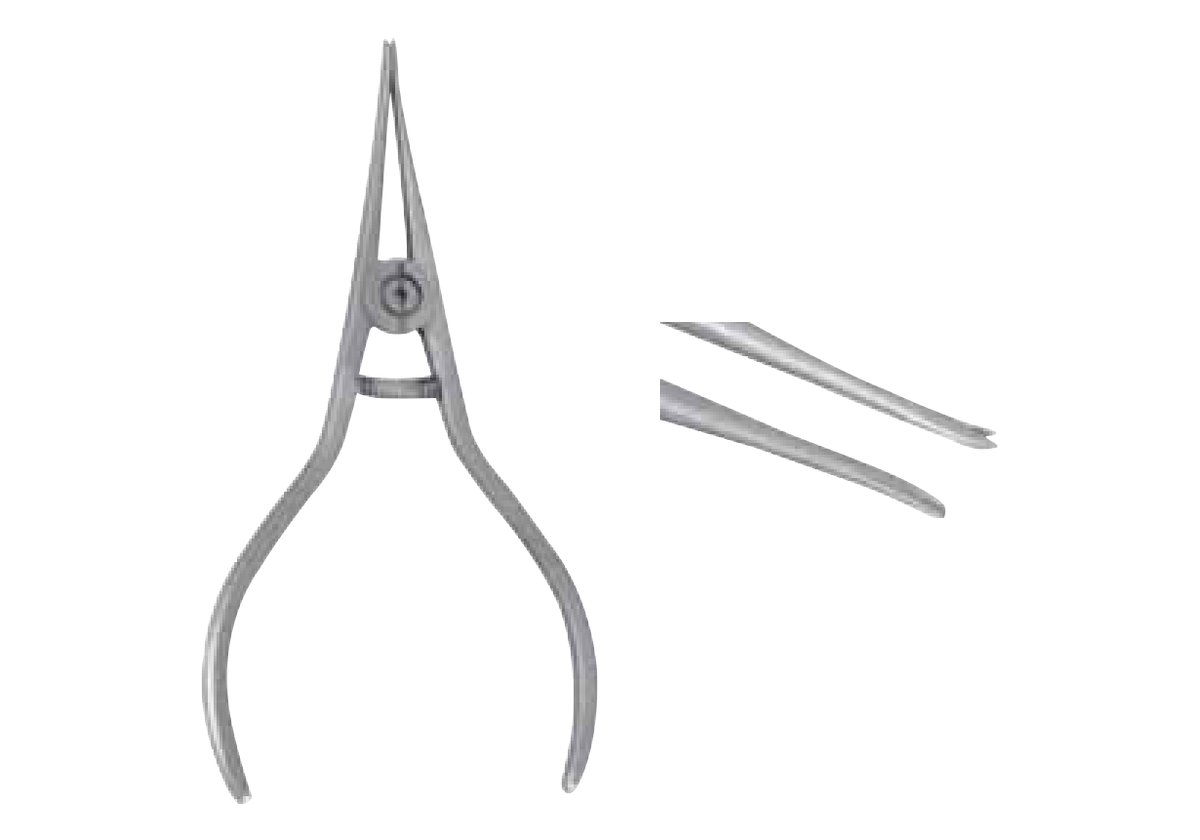
Coon Ligature Tying Forceps
Some clinicians still prefer steel ties for full wire control. These Coon tying forceps are a classic pattern for that job. They help you hold and tension steel ligature wire as you tie it around a bracket. The catalogue lists only the name, so we keep the detail general.
Steel Ties Late in Treatment
Steel ligatures often appear at key stages. For example, you may tie in a wire when you want it fully seated in the slot. They also help when a rotated tooth needs a firm hold. In those moments, a dedicated tying tool is useful.
From Loop to Tuck
First, loop the ligature around the bracket wings. Next, catch the ends with the forceps and twist with control. Then trim the tail with a fine cutter. Finally, tuck the end under the archwire so it stays smooth for the patient.
Picking a Tying Pattern
- Look at the photo to see the Coon tip form.
- Compare it with the pattern your team already uses.
- Stick to one pattern per chair, so each tie feels the same.
Keeping It Ready
Clean the forceps soon after use, while debris is still soft. Then dry them and oil the joint a little. Before sterilization, open and close them to check the action. These Coon tying forceps arrive non-sterile, but they are fine to reuse after full cleaning and sterilization.
From Our Shelf to Your Clinic
This pattern follows our specification, and a United States inspection follows before dispatch. The steel conforms to ASTM F899. In the event of a build fault, the item falls inside a window of three years against manufacturing defects. For a second pattern, see the Steiner forceps. Explore our orthodontic shop pages too, and check the Intrace FAQs for order questions.
Professional use only. Our cleaning and sterilizing notes and delivery FAQ have more.

Reviews
There are no reviews yet.