




Description
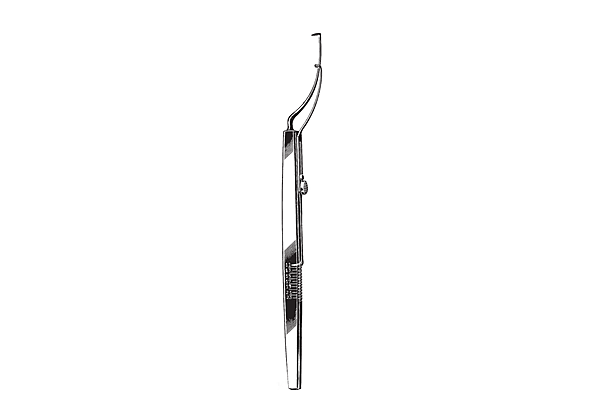
Connin-Amsler Marker
The Connin-Amsler marker places reference marks on the eye. Surgeons use those marks to guide incisions and alignment.
Why mark the eye
The eye can rotate when the patient lies down. Marks made beforehand show the true axis. As a result, alignment stays accurate.
Where the Connin-Amsler marker is used
Eye surgeons use it before corneal and lens surgery. In addition, it helps in teaching. It also suits refractive work.
Technique
Apply marking ink to the tips. Then press gently on the eye. Also, check the marks before starting.
Pairing
Fine forceps and dissectors complete the set. Together they cover early steps. Many trays include a marker.
Accuracy
A steady hand gives clean marks. Therefore, rest the wrist on a support. Then press straight down.
Inspection
Check the marking tips under magnification. Then make sure no tip has bent. That keeps marks precise.
Connin-Amsler marker and toric lenses
Toric lenses correct astigmatism only when they sit on the right axis. For that reason, a reference mark made while the patient sits upright helps the surgeon align the lens later.
Connin-Amsler marker details
- Marking tips
- Fine handle
- Reusable steel
Ink removal
Clean ink off the tips straight away. Rinse and dry. Then sterilise.
Delivery details
This marker carries three years against manufacturing defects. Marks stay crisp. Prior to shipping, our Atlanta crew looks over every marker piece by piece. The FAQ list covers payment and delivery. To complete the set, explore the Wheeler dissector. A spare marker in stores avoids delays. We are glad to suggest an option before you buy. The FDA notes ASTM F899 under instrument alloys. Matching instruments appear in our general surgery range.
Intended for professional buyers. Product images are a guide only. Note that stainless steel contains nickel; visit our cleaning and care notes for more. Return terms go by the returns terms.


Reviews
There are no reviews yet.