




Description
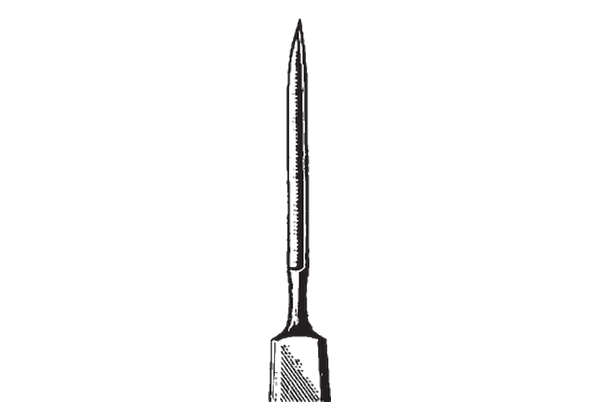
Wheeler Dissector
The Wheeler dissector separates delicate tissue planes in eye surgery. Its slim blade works in very small spaces.
Slim blade
The narrow blade fits between fine layers. As a result, it separates tissue with little force. In addition, that protects nearby structures.
Where the Wheeler dissector is used
Anterior segment surgeons pick it for fine plane work. For instance, it can lift a membrane or open a narrow space.
Technique
Hold it like a pen. Then sweep the blade gently along the plane. Also, keep the tip in view under the microscope.
Pairing
Fine forceps and other dissectors work alongside. Together they cover delicate steps. Many eye trays carry a selection.
Choosing a dissector
Wheeler, Lang and Axenfeld patterns differ in blade shape. Therefore, surgeons often keep more than one. Pick by the task.
Inspection
Check the blade under magnification before use. Then confirm the edge is smooth. Moreover, that keeps tissue safe.
Wheeler dissector size and feel
The handle is slim and light, so it rests easily between the fingers. As a result, the surgeon can feel small changes in resistance as the blade moves between layers.
Wheeler dissector details
- Slim dissecting blade
- Fine handle
- Reusable steel
Blade care
Rinse the blade straight after use. Dry gently. Then store it with a guard.
Buying this dissector
We give the Wheeler dissector three years against manufacturing defects. Slim blades deserve care. Each dissector passes a visual review from Atlanta staff before it ships. One extra dissector on standby keeps lists moving. To complete the set, add the Lang dissector. For quick help, scan our FAQ page. Extra patterns sit in the general surgery range. The FDA lists ASTM F899 under surgical steels.
Clinical use by professionals. Refund rules live on our refunds page. The cleaning guide notes image variation as well as nickel content.


Reviews
There are no reviews yet.