




Description
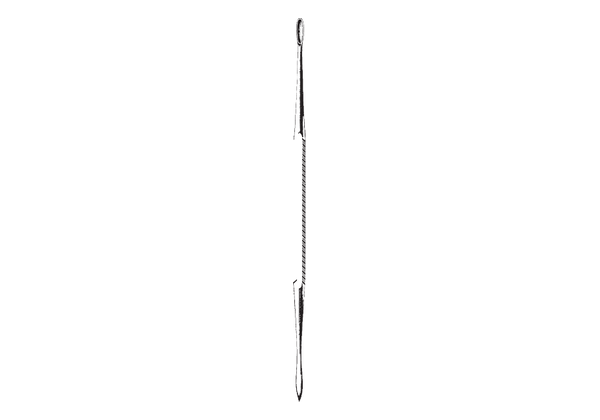
Lang Dissector
The Lang dissector separates tissue in eye and lid surgery. Its slim working end gives careful control in small spaces.
Working end
The narrow end slips between layers. Consequently, it lifts tissue without tearing. Besides, that suits delicate work.
Where the Lang dissector is used
Eye and oculoplastic surgeons use it. For example, it helps in lacrimal and lid work. It also suits teaching.
Technique
Hold it lightly like a pen. Then move the tip in short strokes. Also, watch the tip under magnification.
Pairing
Wheeler and Axenfeld dissectors offer other shapes. Together they cover most needs. Many trays carry two or three.
Control
A light grip gives the best feel. Therefore, avoid pressing hard. Let the tip find the plane.
Inspection
Check the tip before use. Then confirm it is smooth. That protects tissue.
Lang dissector in lacrimal work
During lacrimal surgery, the sac lies in a narrow bony groove. Consequently, a slim dissector helps free it from the surrounding tissue without tearing its wall.
Lang dissector details
- Slim working end
- Fine handle
- Reusable steel
Gentle cleaning
Rinse the tip in sterile water. Dry it carefully. Then store with a guard.
Before you check out
Our Atlanta crew checks the Lang pattern closely ahead of shipping. Lang dissectors from us have three years against manufacturing defects. Fine ends included. For a sister pattern, see our Axenfeld dissector. The help page clears up orders, shipping and returns. For the basics of surgical alloys, look up ASTM F899. Busy surgical teams stock a second dissector to avoid delays. See our growing general surgical tools list for the rest of the set. Need a second opinion on sizing? Message us today.
For trained hands only. Exchange terms sit on our refund policy. The care page covers picture variation as well as nickel content.


Reviews
There are no reviews yet.