




Description
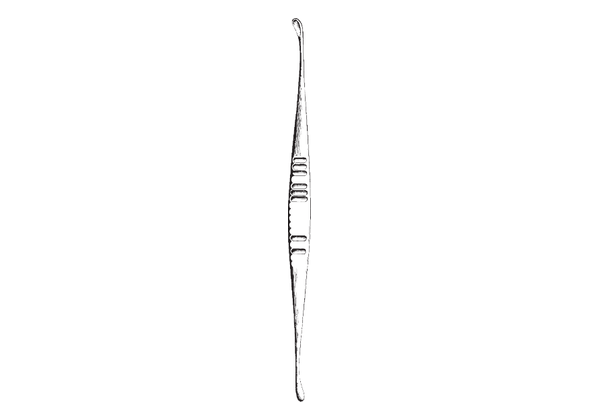
Axenfeld Dissector
The Axenfeld dissector separates delicate tissue in eye surgery. Its fine end works by blunt dissection rather than cutting.
Blunt separation
Blunt ends follow natural planes. As a result, tissue separates with little bleeding. Additionally, that protects small vessels.
Where the Axenfeld dissector is used
Eye surgeons use it in lacrimal and anterior work. In addition, it helps free adhesions. It also suits teaching labs.
Technique
Sweep the end gently along the plane. Then check progress under the microscope. Also, avoid levering on the tip.
Pairing
Lang and Wheeler dissectors offer other shapes. Together they cover a wide range. Many surgeons keep all three.
Control
Short strokes give better control. Therefore, move a little at a time. Then reassess.
Inspection
Check the end before each case. Then confirm it is smooth and straight. That keeps tissue safe.
Axenfeld dissector handling
Rest the hand on the patient’s forehead or a wrist support. In this way, small finger movements guide the tip precisely, and tremor matters much less.
Axenfeld dissector details
- Fine blunt end
- Slim handle
- Reusable steel
Post-case steps
Rinse the end in sterile water. Dry it gently. Then sterilise and store it safely.
The pledge on each dissector
The Axenfeld pattern carries three years against manufacturing defects. Simple tools, solid cover. Any dissector has a visual check at our Atlanta site before we post it. A backup dissector in the sterile store helps on busy days. We gladly check sizes within a day or so. For facts on surgical-grade stainless, check ASTM F899. For a similar job, try the Lang dissector. Search our broad general surgery section for related tools. The questions page walks through most buying questions.
Licensed buyers only. Visit the shipping page for dispatch times. Our care and sterilization guide mentions picture variation and the alloy’s nickel.


Reviews
There are no reviews yet.