




Description
Cattoni Probes
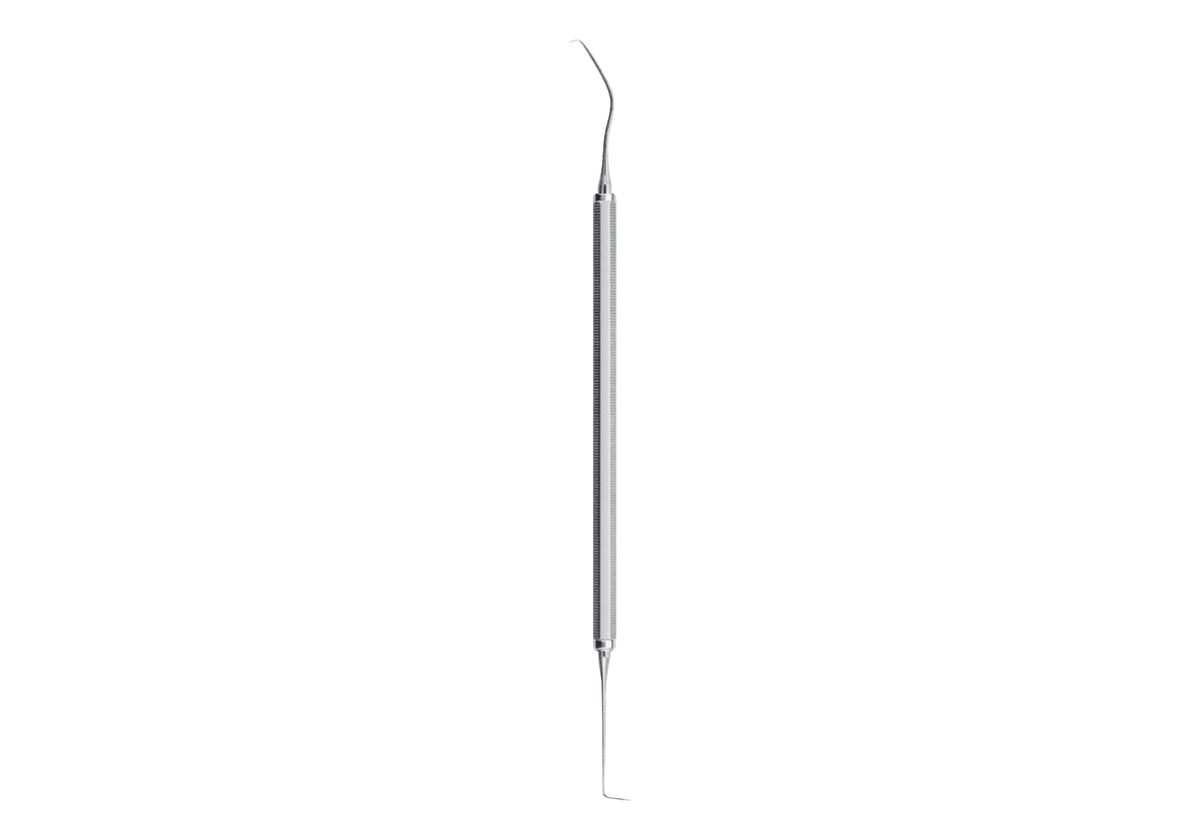
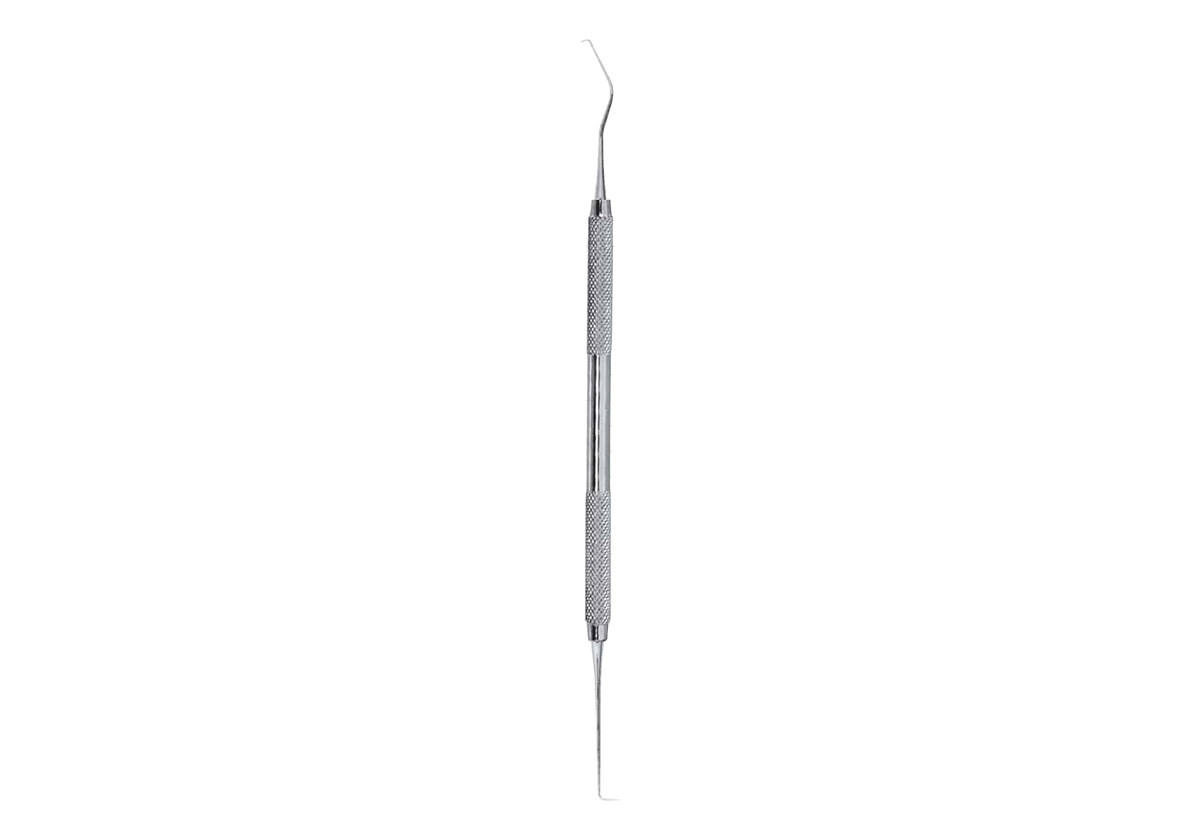
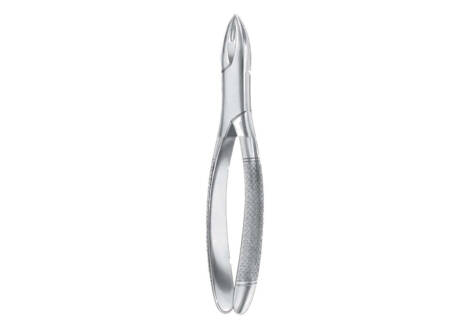
Pocket depths drive many periodontal decisions, so the probe you chart with matters. The cattoni probe is a stainless steel periodontal probe in figure ½. Our supplier shows it on a probe page headed 10-9-8-7-5-3-2-1, the same millimetre sequence long used on Williams-style probes. That heading sits above Cattoni, Goldman-Fox Williams and Nabers patterns.
Reading the Millimetre Scale
A scale of 1, 2, 3, 5, 7, 8, 9 and 10 mm leaves gaps at 4 and 6 mm. Those gaps make readings faster, because the eye jumps to the nearest band. However, the catalogue prints the heading for the whole page rather than for each probe. So please confirm the markings on the photo before you rely on them for charting.
Fig. ½ and Fig. ½, Style 2
The Cattoni figure appears twice on the same catalogue page. We list the first as Fig. ½ and the second as Fig. ½, Style 2. Style 2 is a second row of the same figure on a different handle, and the supplier gives no further detail. Therefore, look at both photos and choose the handle you prefer to hold.
A Gentle Probing Routine
- Walk the probe around each tooth in small steps.
- Keep the tip parallel to the root surface.
- Then record the deepest reading at each site.
Light, consistent force keeps readings repeatable from visit to visit. Also, recheck any surprising number before you note it.
Our team looks over every Cattoni probe in the United States, checking that markings are legible and the tip is straight, before it ships. It travels unsterilized; once it arrives, wash it and put it through your steam cycle. Then your Cattoni probe enjoys three years against manufacturing defects, markings included.
The probe steel is specified to ASTM F899. Pair it with the Cattoni explorers, browse the diagnostic and periodontal instrument category, or read our ordering FAQs.
Cattoni probes are sold to trained clinicians for periodontal assessment. Our probe reprocessing tips and delivery schedule are available any time.

Reviews
There are no reviews yet.