




Description
Blumenthal Bone Rongeurs
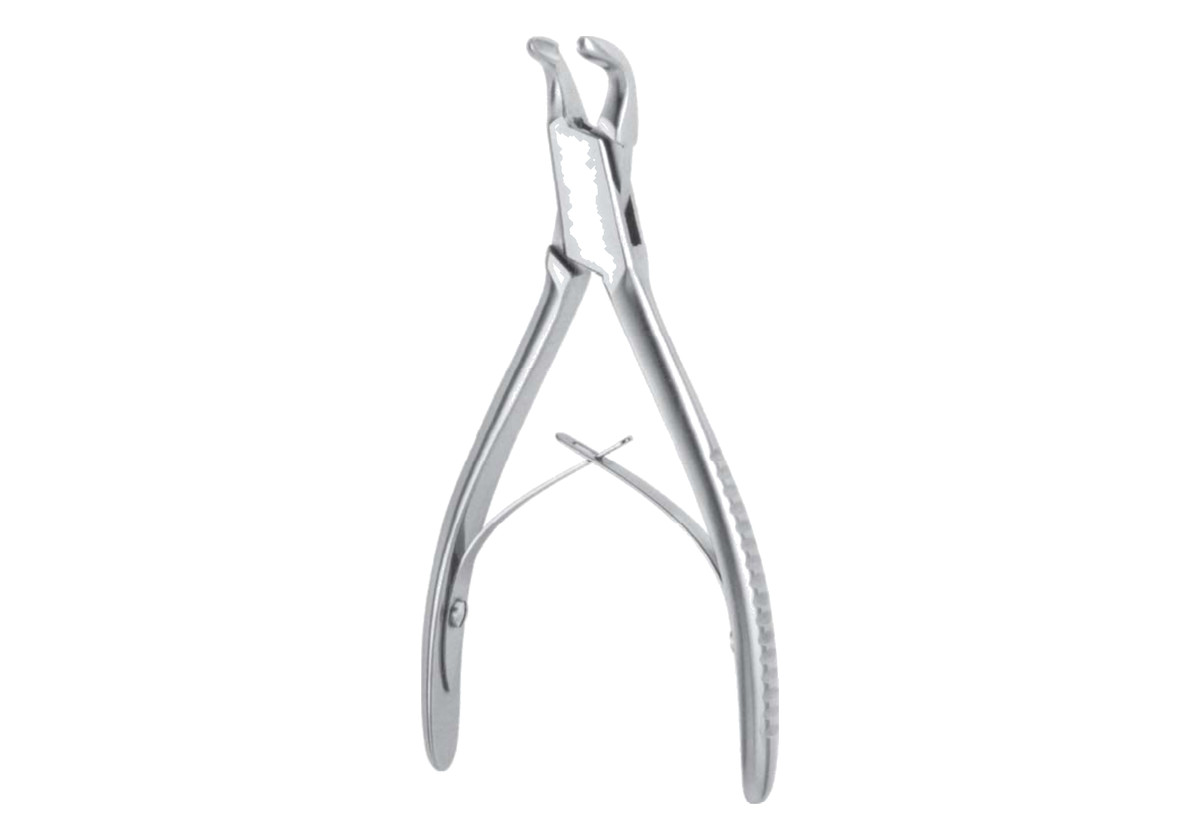
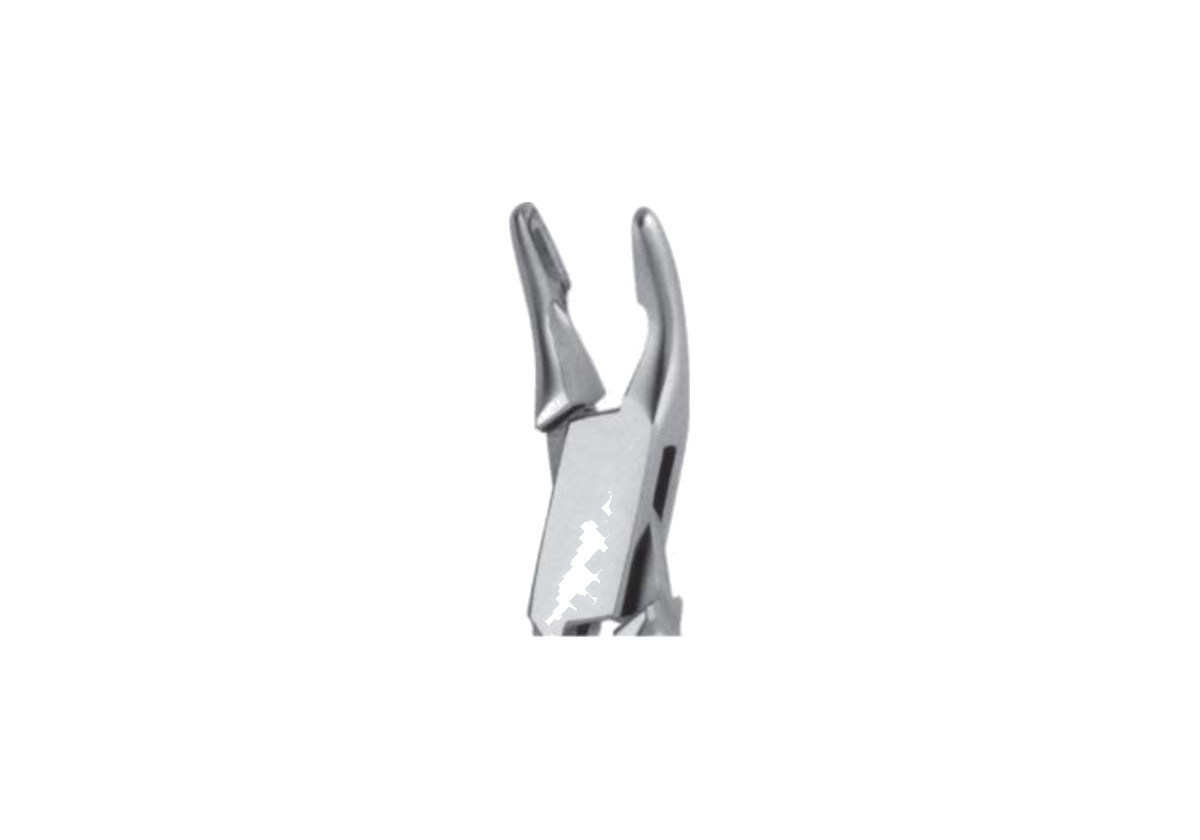
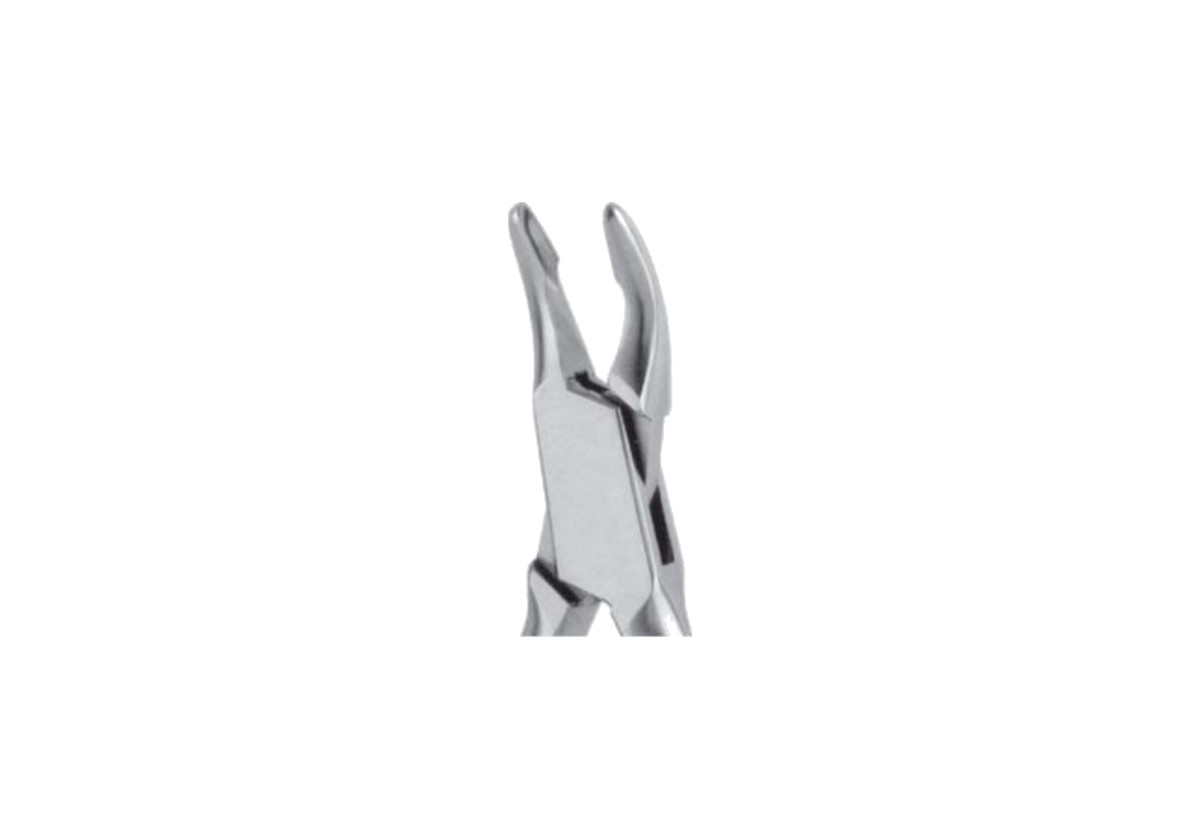
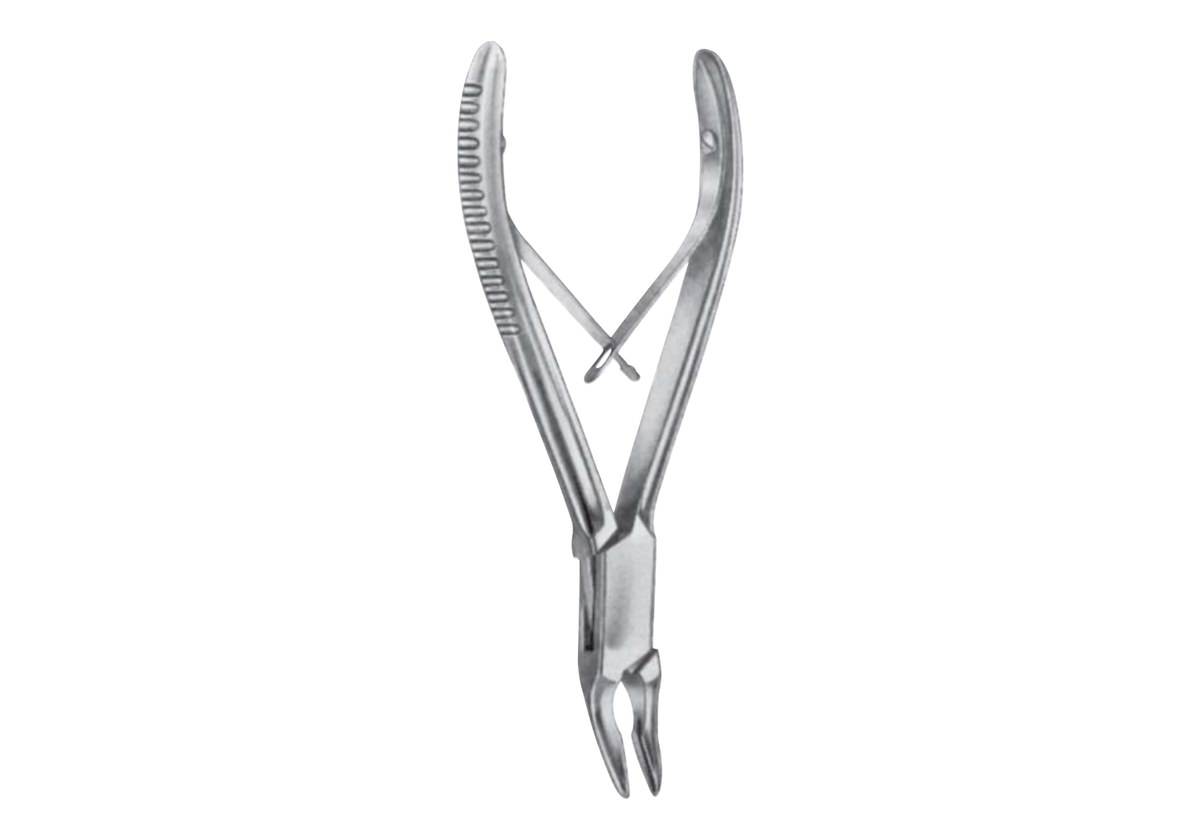
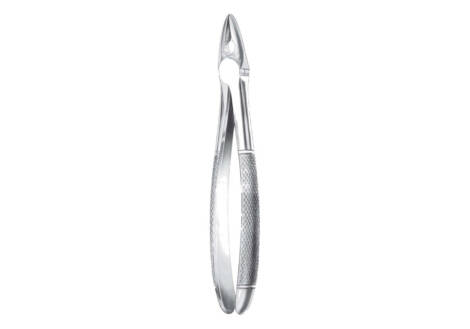
Blumenthal bone rongeurs have small cupped jaws set obliquely to the handles. This offset lets you trim alveolar bone from a direction a straight rongeur cannot reach. Our version is 15 cm long and comes with a jaw angle of 30, 45 or 90 degrees.
What the angle changes
A straight rongeur bites along the line of your hand. By contrast, an angled jaw turns the bite sideways. So you can reach the lingual or distal side of a ridge without twisting your wrist.
Choosing 30, 45 or 90 degrees
- 30 degrees: a gentle offset for routine ridge trimming
- 45 degrees: a middle angle for most posterior sites
- 90 degrees: a right-angle bite for the hardest access
Many oral surgeons keep two angles. For example, a 45 covers most cases, while a 90 handles the awkward ones.
Typical work
The Blumenthal is a finishing tool. It smooths sharp edges after extractions, reduces small bony spines, and shapes a ridge before a denture. Because the jaws are small, it takes little bites, which keeps control high.
Good technique
Take shallow bites and let the cutting edges do the work. Then rinse the field often, since bone chips hide the edge you are shaping. Also avoid levering with the jaws, as that strains the tips.
Keeping the jaws sharp
Clear bone from the cups right after use. Next, brush the hinge and dry it well. Finally, add a drop of instrument lubricant before you sterilize it.
The rongeur ships non-sterile and is reusable once cleaned and sterilized. Its stainless steel conforms to ASTM F899. Every Blumenthal carries three years against manufacturing defects, Blumenthal angles included. When you want a straight pattern, look at the Adson bone rongeurs. See all bone rongeurs, the wider dental range, or our FAQ.
For professional use. Read our cleaning guide and shipping details.

Reviews
There are no reviews yet.