
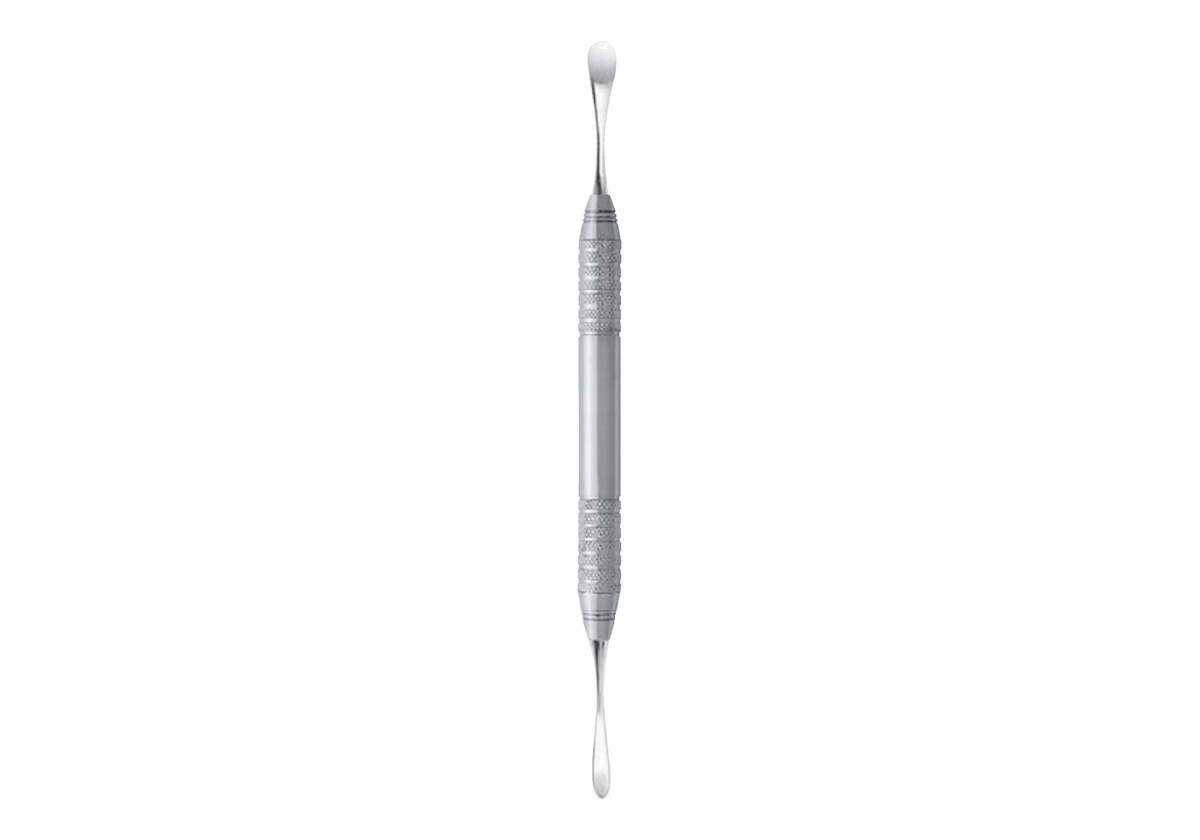




Description
Benque Periosteal Elevators
Every surgeon has a favorite elevator, and the Benque pattern is one many implant clinicians return to. A Benque periosteal elevator separates the periosteum from bone so a full thickness flap can be raised cleanly. In our supplier’s catalogue, the Benque shares a page with the Misch ridge, Prichard and Periosteal-Tome designs.
A Named Pattern, Not a Generic Blade
Eponymous elevators keep a recognizable shape across makers. So a clinician trained on a Benque usually expects a particular balance and working end. However, our catalogue prints no dimensions for this piece. Therefore, compare the product photos with the instrument you know before ordering.
Where It Works in an Implant Case
First, the incision is made along the crest. Next, the elevator lifts the flap margin and works outward until the bone is exposed. Then, it can rest against the flap to hold it away while the site is prepared. At each stage, pressure and angle follow the clinician’s judgment.
Building a Periosteal Set
Few cases need only one elevator. For example, a narrow pattern starts papillae, while a broad pattern lifts large flaps. Many offices therefore pair the Benque with a Molt or a Buser. Also, keeping two of your most used elevator helps when one is in reprocessing.
Steel, Checks and Coverage
The Benque is surgical stainless steel. Its working edge gets a close look from US-based inspectors before it is boxed. Expect it unsterilized on arrival; a wash and steam cycle must precede its first flap. For production faults, this Benque has three years against manufacturing defects, no matter how often it is autoclaved.
Steel conformance: ASTM F899. Look through our maxillofacial surgery range, add a Molt periosteal elevator for broad flaps, or browse our FAQs.
Benque elevators are supplied to trained surgical professionals only. Our care and sterilization guide and delivery page are linked here.

Reviews
There are no reviews yet.