




Description
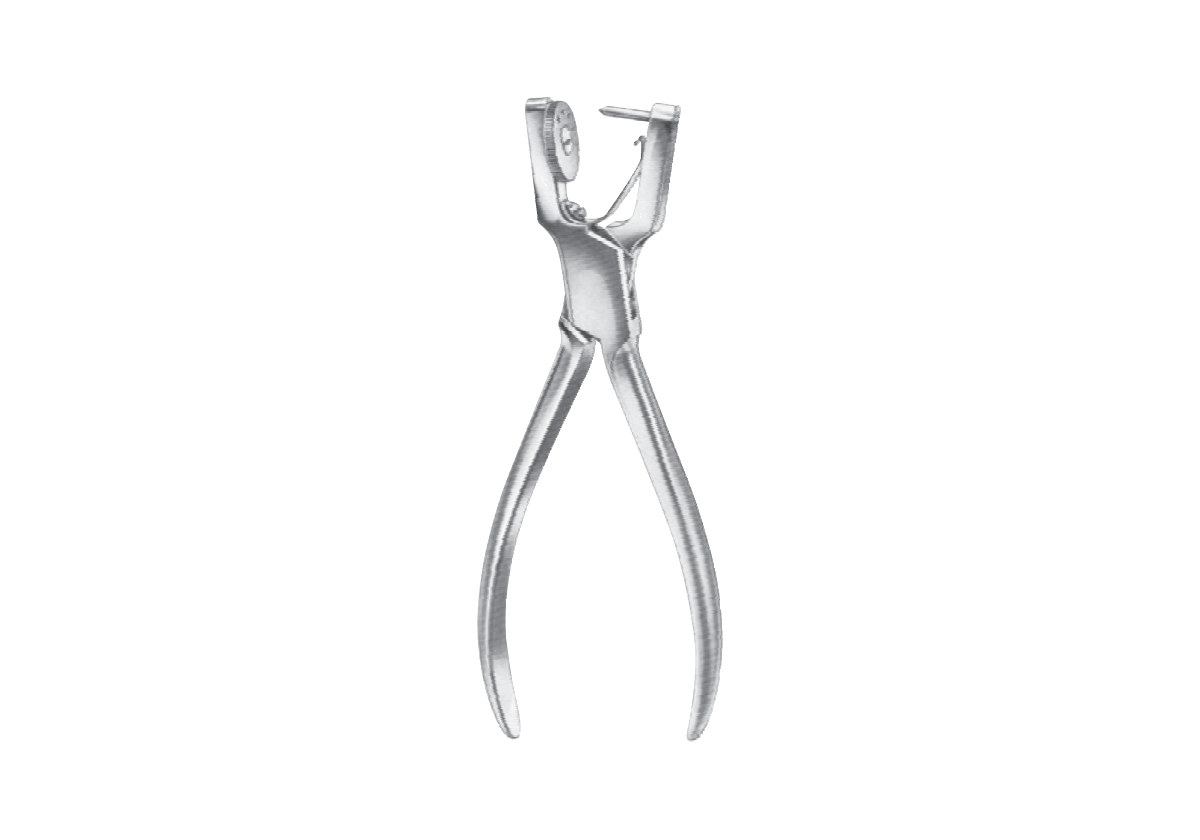
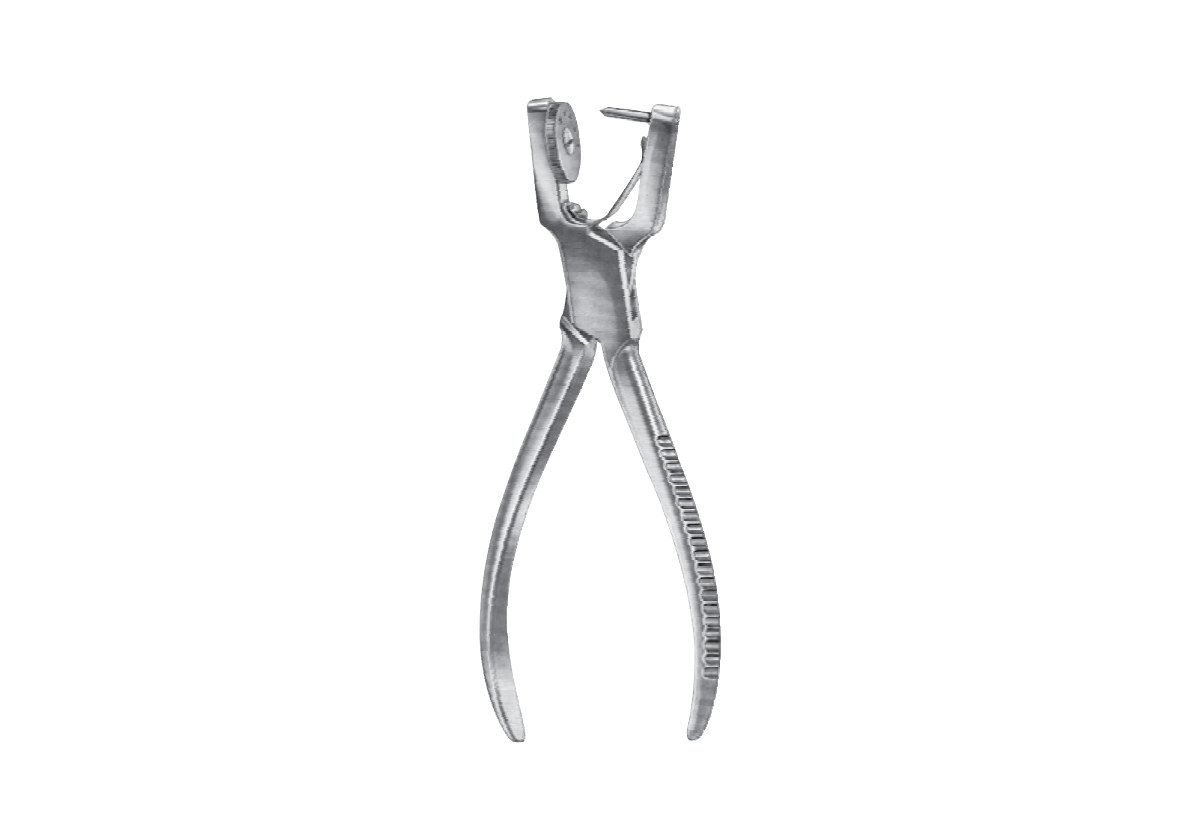
Ainsworth Rubber Dam Clamp Forceps
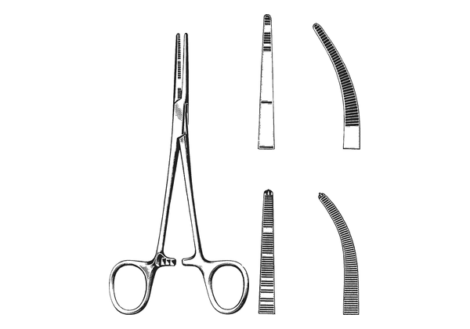
Dam placement goes faster when the forceps hold the clamp steady over the crown. The Ainsworth is one of the best known patterns for that job, and these ainsworth rubber dam forceps follow it. Squeezing the handles spreads the beaks, which engage the holes in the clamp jaws. Then steady hand pressure keeps the clamp open while you position it.
How the Forceps Seat a Clamp
First, insert the beak tips into the two holes of the clamp. Next, squeeze to open the clamp just wide enough to clear the height of contour. Then lower it onto the tooth, release the handles gently and lift the beaks away. Because the forceps carry the clamp at arm’s length, you keep a clear view of the gingival margin throughout.
Style 1 and Style 2
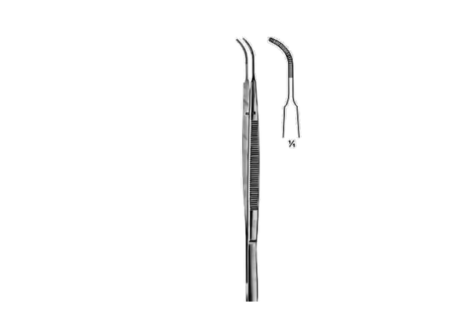
The supplier catalogue shows the Ainsworth twice on its rubber dam forceps page. We list those two rows as Style 1 and Style 2. The catalogue does not spell out what differs between them. So please compare the two photos on this page and choose the outline closest to the forceps your team already uses. If you are unsure, our FAQ page explains how to ask us before ordering.
Built for Daily Dam Placement
Rubber dam forceps open and close dozens of times a day, so the hinge and beak tips matter most. Our United States team works the joint and checks beak alignment on each pair before shipping. Furthermore, Ainsworth buyers get three years against manufacturing defects affecting the hinge or beaks. They arrive non-sterile and need a full cleaning and autoclave cycle first.
All stainless parts follow ASTM F899 for surgical grade stainless. Find related diagnostic and restorative dental instruments, add a matching range of Rubber Dam Clamps for the Ainsworth beaks, or see our FAQ page.
Ainsworth forceps are supplied for use by trained dental professionals. Please follow our instrument sterilization guide and review our shipping and delivery terms.
Reviews
There are no reviews yet.