




Description
Weber Lens Scoop
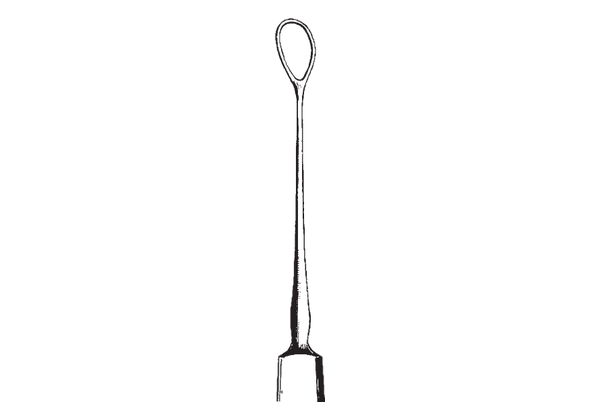
The Weber lens scoop is a classic tool for lifting and delivering the lens by hand. We offer it in two patterns, Figure 1 and Figure 2. Both share the same basic idea, a smooth cradle on a slim handle, but the details differ.
Figure 1 versus Figure 2
The two figures vary in the shape of the working end. So compare the photos to see which bowl or curve fits your style. If you are not sure, many surgeons order both, then keep the one that suits the case.
How the Weber scoop works
You pass the scoop behind the nucleus, then draw it gently toward the opening. Because it supports from below, the lens follows without a sharp tug. Also, the smooth rim slides past tissue rather than catching it.
A few uses for Weber patterns
Common roles include:
- Delivering the nucleus in manual cataract cases
- Lifting lens pieces from the wound
- Supporting the lens while a partner tool presses
Weber scoops for wider wounds
Manual delivery needs a wound large enough for the whole nucleus. In that setting, a broad cradle feels natural. So the Weber fits extracapsular and manual small-incision styles, where the lens leaves in one piece.
Labeling two figures in one set
If you stock both figures, mark them on the tray map. That way, staff hand over the right one without delay. In addition, check each scoop after cleaning, because a bent rim changes how it lifts.
Ordering Weber scoops
Figure 1 and Figure 2 Weber scoops both ship unsterile. Wash each Weber cradle, sterilize it, and either figure goes back into your manual cataract set for repeat use. Weber steel also conforms to ASTM F899. Whichever figure you pick, your Weber sits under warranty for three years against manufacturing defects. See the wider ophthalmic tool catalogue, or compare with the Arlt lens scoop, which comes smooth or serrated. Our help page has more answers.
Professional use only. Find care steps for your scoop and delivery times on our site.



Reviews
There are no reviews yet.