





Description
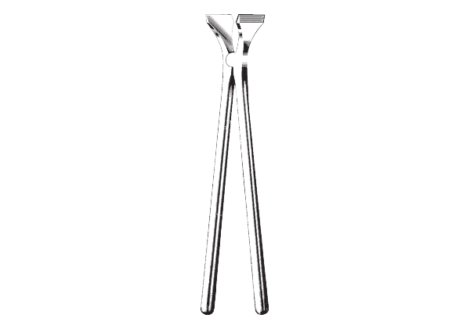
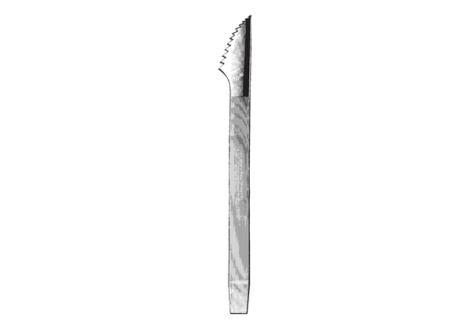
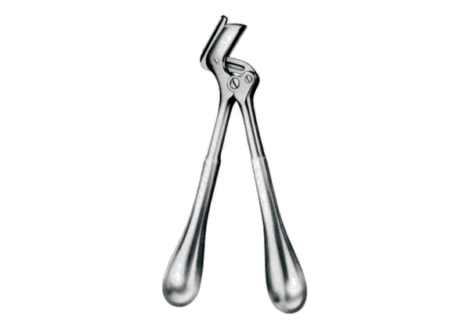
Universal Drill Guide
The universal drill guide lets the surgeon drill neutral or eccentric holes with one instrument. It saves switching between separate guides during plating.
One guide, two positions
Pressed into the plate hole one way, it centers the drill for a neutral screw. Placed differently, it offsets the hole for compression. Therefore one tool covers both needs.
Two versions
Choose the 2.5 mm version or the combined 3.2 / 4.5 mm version. Besides, the 2.5 mm guide suits small fragment work. Meanwhile, the 3.2 / 4.5 mm guide suits large fragment plates.
Who uses a universal drill guide
Trauma surgeons use it in compression plating. Furthermore, it suits forearm, tibia and femur fixation. Also, many surgeons prefer it to carrying two guides.
Learning the positions
Check your system’s guide for which end gives neutral and which gives compression. Then mark the tray if helpful. Practice helps avoid mistakes.
Compatibility
Guides must suit the plate holes. Consequently, confirm your system with us before ordering. Additionally, we will match the version.
Universal drill guide versions
- 2.5 mm
- 3.2 / 4.5 mm
- Neutral or eccentric drilling
- Ships non-sterile
Care
Flush both bores carefully. Dry fully. Inspect the tips that seat in the plate.
Our cover for your drill guide
Should this drill guide show a workmanship defect, we honor three years against manufacturing defects. Before dispatch, a staff member in Atlanta examines this drill guide in person. For quick answers, check our FAQs. Searching for help choosing a drill guide? Reach out and we will reply. A backup drill guide on the shelf keeps lists moving. Often bought with it is the neutral drill guide. FDA listings include ASTM F899 for stainless for instruments. View our whole orthopedic line for the rest of the set.
Intended for professional buyers. Photos are illustrative, while nickel is part of the alloy; open the cleaning guide for more. Check the shipping policy for delivery windows.

Reviews
There are no reviews yet.