
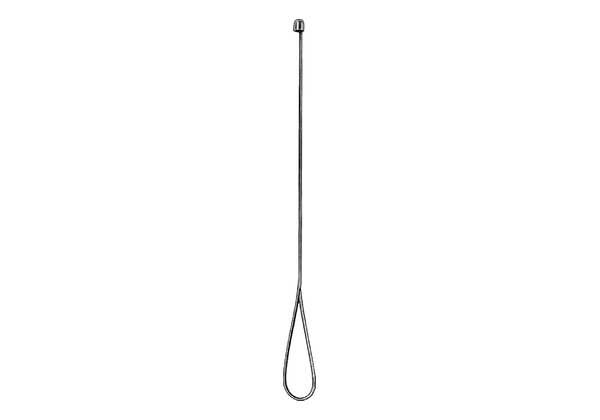




Description
Tunnel Instrument
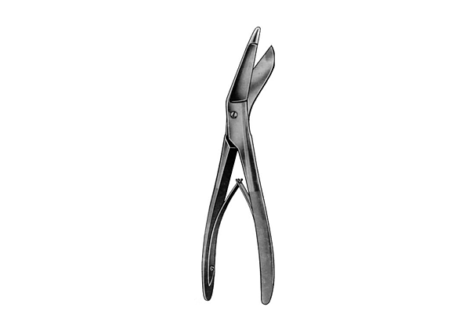
This tunnel instrument creates a path under the skin for tendon transfers and reconstruction. Its 28 cm length reaches longer routes.
Longer reach
A 28 cm shaft reaches further than hand-sized tunnelers. Therefore it suits forearm and lower-leg transfers. The smooth tip passes tissue cleanly.
Two-incision technique
Surgeons often make one incision at each end of the route. Then the tunneler travels between them under the skin. As a result, a long incision is not needed.
Who uses a tunnel instrument
Transfers in the forearm and around the ankle are common uses. In addition, reconstructive surgeons route grafts with it. Some trauma surgeons use it for drain or graft passage.
Planning the path
Choose a direct path that avoids nerves and vessels. Then tunnel gently without forcing. A smooth tunnel helps the tendon glide later.
Middle of the range
Shorter tunnelers suit the hand, whereas very long ones suit the thigh. This 28 cm model sits in between. Consequently, it covers a large share of cases.
Tunnel instrument details
- 28 cm long
- Smooth tunneling shaft
- Suits two-incision routes
- Ships non-sterile
Upkeep
Run a brush along the shaft and clean the tip. Dry it completely. Inspect for bends before reuse.
Our support for your tunneler
The protection protecting the tunneler runs three years against manufacturing defects by default. Every tunneler has a hand look from Atlanta staff before it ships. Scan the full orthopedic section for similar items. A backup tunneler in the sterile store covers reprocessing gaps. For quick answers, try our FAQ page. Take a look at the 30 cm Fischer tunneler. FDA listings include ASTM F899 for steel in surgical instruments. We readily advise on choices for your facility.
For trained hands only. See our delivery policy for dispatch times. The care page mentions how photos may vary and the alloy’s nickel.
Reviews
There are no reviews yet.